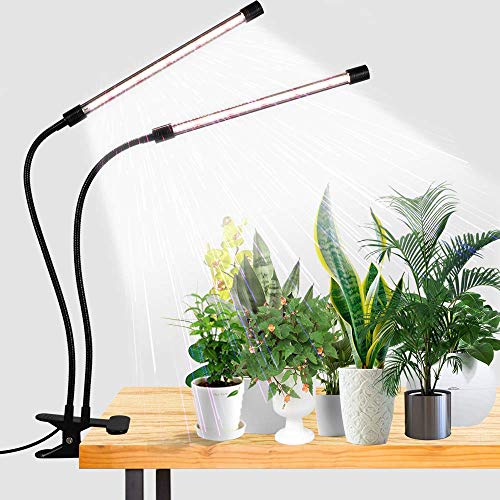
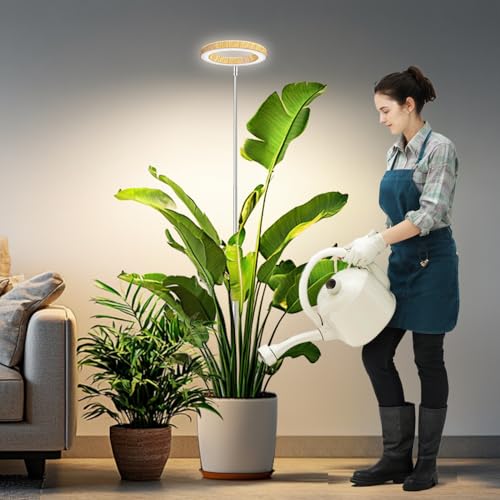
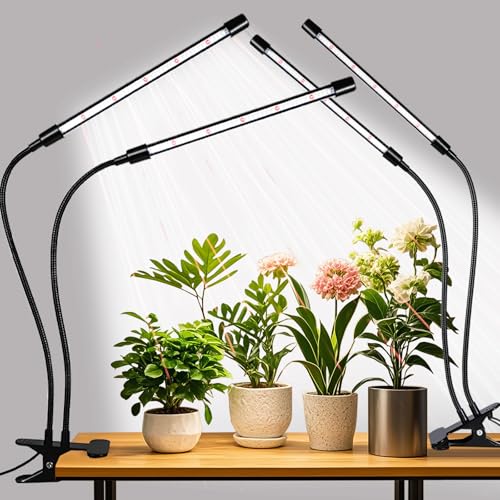
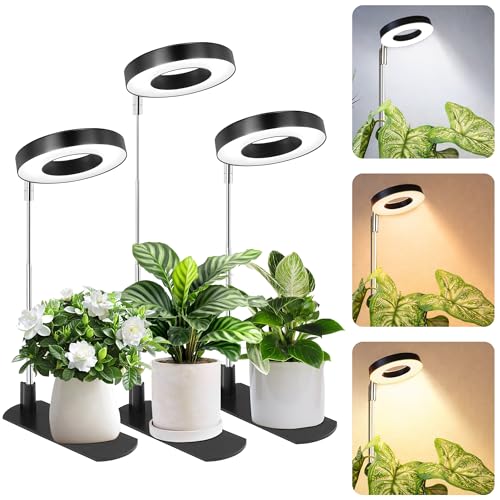
Plant Light for Indoor Plants – Grow Lights & Lighting Guide
Let gardening help you choose the perfect plant light for indoor plants. Learn about grow lights, light spectrum, and setup to keep your houseplants thriving all year round.
Shop Grow Lights →Let Gardening Philosophy: Choosing the right plant light for indoor plants is essential for photosynthesis and healthy growth. Whether you're growing succulents, tropical foliage, or flowering houseplants, proper lighting mimics natural sunlight and prevents leggy, weak growth. Let's explore everything you need to know about plant lights for indoor plants.
Why Plant Light for Indoor Plants Matters
Light is the primary energy source for plants. Without adequate light, photosynthesis slows down, leading to stunted growth, yellowing leaves, and reduced flowering. For indoor plants, natural sunlight is often limited, especially during winter or in rooms with small windows. That's where a quality plant light for indoor plants becomes essential.
Supplemental lighting helps maintain consistent growth, improves leaf color, and encourages blooming. Whether you're nurturing a rose bush indoors or caring for a Christmas cactus, the right light makes all the difference. Understanding your plant's specific light requirements is the first step toward success.
Types of Plant Lights for Indoor Plants
There are several types of grow lights available, each with its own advantages. The most common options include LED grow lights, fluorescent lights, and incandescent bulbs. However, LED grow lights are the most energy-efficient and long-lasting, making them a top choice for indoor gardeners.
💡 LED Grow Lights
- Full-spectrum or targeted spectrum
- Energy-efficient & long lifespan
- Low heat output – safe for close placement
- Ideal for most indoor plants
💡 Fluorescent Lights
- Affordable and widely available
- Good for seedlings and low-light plants
- T5 and T8 tubes are popular
- Lower intensity than LEDs
💡 Incandescent Bulbs
- Not recommended – too much heat
- Low light output for plants
- Can burn foliage if placed too close
- Better suited for accent lighting
Understanding Light Spectrum for Indoor Plants
Plants use specific wavelengths of light for photosynthesis. Blue light promotes vegetative growth and compact foliage, while red light encourages flowering and fruiting. A full-spectrum plant light for indoor plants provides a balanced mix of both, mimicking natural sunlight.
For most houseplants, a full-spectrum LED is the safest and most effective choice. If you're growing flowering plants like Christmas cactus or roses, consider a light with enhanced red spectrum during the blooming phase.
How Much Light Do Indoor Plants Need?
Light requirements vary by plant type. Here's a quick reference table to help you choose the right plant light for indoor plants based on your plants' needs.
| Plant Type | Light Intensity | Daily Duration | Recommended Light |
|---|---|---|---|
| Low-light plants (e.g., spider plants, pothos) | 50–150 µmol/m²/s | 6–8 hours | Fluorescent or low-wattage LED |
| Medium-light plants (e.g., ferns, Thanksgiving cactus) | 150–250 µmol/m²/s | 10–12 hours | Full-spectrum LED (20–30W) |
| High-light plants (e.g., aloe vera, succulents) | 250+ µmol/m²/s | 14–16 hours | High-intensity LED (40W+) |
How to Choose the Best Plant Light for Indoor Plants
When selecting a plant light for indoor plants, consider the following factors:
- Plant type: Match light intensity to your plant's natural habitat.
- Light spectrum: Full-spectrum is best for all-round growth.
- Wattage: Higher wattage = more light output. Calculate based on your growing area.
- Distance: Place the light 6–24 inches above your plants, depending on intensity.
- Timer: Use an automatic timer to maintain consistent daily light cycles.
For beginners, a full-spectrum LED grow light with adjustable height and built-in timer is a great starting point. It simplifies setup and ensures your plants receive consistent, high-quality light.
Placement & Setup Tips for Grow Lights
Proper placement ensures your plant light for indoor plants delivers maximum benefit. Follow these tips for optimal results:
- Distance matters: Keep lights 12–18 inches above foliage for most houseplants.
- Angle: Position lights directly above plants for uniform coverage.
- Duration: Use a timer to mimic natural day-night cycles – 12 hours on, 12 off is a common schedule.
- Reflectors: Use reflective surfaces (like white walls or mylar) to maximize light efficiency.
- Monitor growth: Adjust height and duration based on your plants' response. Leggy growth = more light, yellow leaves = too much light.
Common Mistakes with Plant Lights for Indoor Plants
Avoid these common pitfalls to keep your plants healthy:
- Too close: Heat stress or light burn can damage leaves.
- Too far: Insufficient light leads to leggy, weak growth.
- Wrong spectrum: Using only blue or red light limits overall plant health.
- No timer: Inconsistent light cycles confuse plant rhythms.
- Ignoring plant needs: Not all plants need the same light intensity – research your specific plants.
Benefits of Using the Right Plant Light for Indoor Plants
Investing in a quality plant light for indoor plants offers numerous benefits:
- ✔ Promotes healthy, vibrant foliage
- ✔ Encourages blooming and fruiting
- ✔ Extends growing seasons – grow year-round
- ✔ Prevents leggy, weak stems
- ✔ Supports propagation and seed starting
- ✔ Reduces transplant shock when moving plants outdoors
Frequently Asked Questions
What is the best plant light for indoor plants?
The best plant light for indoor plants is a full-spectrum LED grow light. It provides balanced light for photosynthesis and works well for most houseplants, succulents, and flowering plants.
How many hours of light do indoor plants need?
Most indoor plants need 12–16 hours of light per day. Low-light plants may only need 6–8 hours, while high-light plants like succulents may need up to 16 hours.
Can I use regular LED bulbs for plants?
Regular LED bulbs are not designed for plant growth. They lack the full spectrum needed for photosynthesis. Always use specialized grow lights for indoor plants.
Do I need a plant light if my window gets good sun?
Even south-facing windows may not provide enough light during winter. A plant light for indoor plants supplements natural light, ensuring consistent growth year-round.
Let Gardening Brighten Your Indoor Space
Choosing the right plant light for indoor plants is one of the most impactful decisions you can make for your houseplants. With the right light, you can grow lush, healthy plants that bring life and beauty to your home – regardless of the season.
Start by assessing your plants' light needs, then explore the grow lights featured below. Whether you're caring for a Thanksgiving cactus, a aloe vera, or a collection of drought-tolerant plants, the right light will help them thrive.