How Much Sun Should an Aloe Vera Plant Get?
Discover the perfect balance of sunlight for your aloe vera to thrive — whether indoors or outdoors. Learn to read the signs and give your plant exactly what it needs.
Understanding Aloe Vera Sunlight Needs
Aloe vera is a succulent native to arid climates, which means it loves sunlight — but not all sunlight is created equal. The ideal amount of sun for an aloe vera plant is between 6 to 8 hours of bright, indirect sunlight per day. While aloe can tolerate direct morning sun, intense afternoon sunlight can cause sunburn, especially in hot climates.
If you're growing aloe vera indoors, place it near a south- or west-facing window for the best light exposure. Outdoors, aloe does best in a spot that receives morning sun and afternoon shade, or dappled light throughout the day.
For more detailed aloe plant care tips, check out our complete guide on keeping your succulent healthy and happy.
Indoor vs. Outdoor Aloe Vera Sun Requirements
🏠 Indoor Aloe Vera
- Light: Bright, indirect light for 6–8 hours daily.
- Window: South or west-facing is ideal.
- Signs of too little light: Stretching, pale leaves.
- Signs of too much light: Brown spots, crispy edges.
🌳 Outdoor Aloe Vera
- Light: Morning sun + afternoon shade.
- Ideal spots: Under a tree, porch, or east-facing wall.
- Signs of too much sun: Yellow-brown discoloration, leaf curling.
- Acclimation: Gradually introduce to direct sun to prevent shock.
If you're planning to keep your aloe outside, it's crucial to acclimate it slowly. Start with a few hours of morning sun and increase exposure over 1–2 weeks. This prevents sunburn and helps the plant adapt to outdoor conditions.
For other sun-loving plants, check out our guide on drought-tolerant ground covers for full sun that can complement your aloe garden.
Signs Your Aloe Vera Is Getting Too Much or Too Little Sun
Aloe vera is very communicative — it shows clear signs when it's unhappy with its light situation. Here's what to look for:
☀️ Too Much Sun (Sunburn)
- Brown or orange spots on the leaves, especially on the side facing the sun.
- Dry, crispy leaf tips or edges that feel brittle.
- Leaves curling inward to reduce surface area exposed to light.
- Faded or bleached color — the rich green turns pale or yellowish.
🌥️ Too Little Sun (Etiolation)
- Stretching or leggy growth — the plant reaches toward the light source.
- Leaves become thin and pale instead of thick and vibrant green.
- Slow or stunted growth — your aloe stops producing new leaves.
- Leaves bending downward as they try to catch more light.
Seasonal Light Changes and How to Adjust
As seasons change, so does the intensity and duration of sunlight. Here's how to adjust your aloe's light exposure throughout the year:
- Spring & Summer: Aloe gets the most natural light. If outdoors, ensure afternoon shade. Indoors, watch for signs of sunburn and move back from the window if needed.
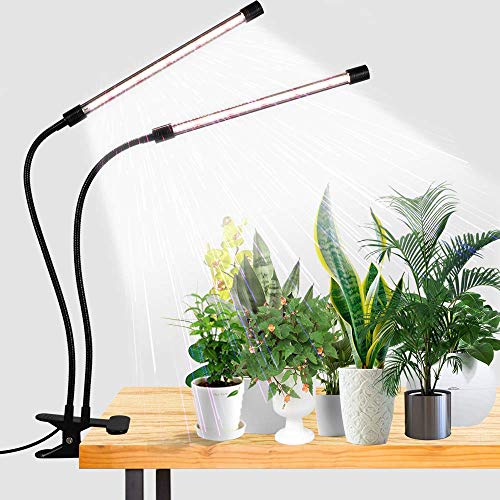
- Fall & Winter: Sunlight is weaker and days are shorter. Move your indoor aloe closer to the window or consider using a grow light to maintain 6 hours of bright light.
- Year-round tip: Rotate your aloe pot every few weeks to ensure all sides receive equal light, preventing the plant from leaning.
Aloe vera is a resilient plant, but it does need consistent light to thrive. If you notice seasonal changes affecting your aloe, don't hesitate to adjust its position gradually.
For indoor gardening enthusiasts, explore our plant light for indoor plants to keep your aloe happy during darker months.
Frequently Asked Questions About Aloe Vera Sunlight
Can aloe vera survive in shade?
Aloe vera can survive in low light, but it won't thrive. In shade, it grows slowly, becomes leggy, and may lose its vibrant green color. For optimal health, provide at least 4–6 hours of bright, indirect light.
Can aloe vera get too much sun?
Yes! Aloe vera can suffer from sunburn, especially in hot, dry climates. If leaves turn brown, orange, or crispy, the plant is getting too much direct sun. Move it to a spot with filtered light or partial shade.
Is morning or afternoon sun better for aloe vera?
Morning sun is better because it's less intense. Aloe loves morning sunlight and can handle up to 4–5 hours of it. Afternoon sun, especially in summer, is often too harsh and can damage the leaves.
What happens if aloe vera doesn't get enough sun?
Without enough sun, aloe vera becomes etiolated — it stretches toward the light, becomes weak, and loses its thick, healthy appearance. It also becomes more susceptible to pests and disease.
Can I use artificial light for my aloe vera?
Absolutely! If you don't have enough natural light, plant light for indoor plants can provide the energy your aloe needs. Look for full-spectrum grow lights and keep them on for 12–14 hours a day for best results.
Related Plant Care Guides
Learn more about caring for your indoor and outdoor plants with these helpful guides: