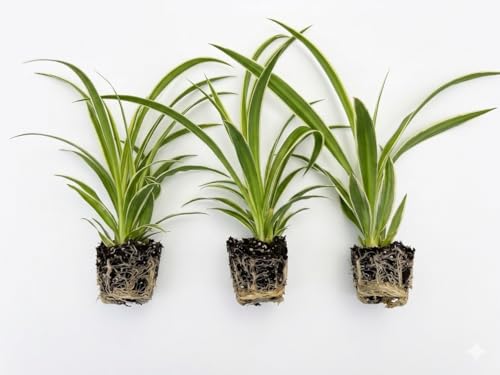
6 Plants That Look Like a Spider Plant (But Aren't)
Love the look of spider plants but want something different? Discover these 6 stunning look-alikes, their care needs, and how to tell them apart.
Explore the PlantsLet gardening introduce you to a fascinating group of houseplants that share the graceful, arching foliage of the classic spider plant (Chlorophytum comosum) but belong to entirely different genera. Whether you're looking for a more colorful option, a plant with different growth habits, or simply want to expand your collection, these look-alikes offer unique beauty and character.
In this guide, we'll explore six stunning plants that resemble spider plants, compare their care requirements, and help you choose the perfect one for your indoor space.
Quick Comparison: Spider Plant Look-Alikes
| Plant Name | Light Needs | Watering | Special Feature |
|---|---|---|---|
| Ribbon Plant | Bright indirect | Moderate | White-edged leaves |
| Variegated Dracaena | Bright indirect | Low to moderate | Bold cream stripes |
| Corn Plant | Low to medium | Low | Tree-like form |
| Spiderwort | Bright indirect | High | Purple flowers |
| Airplane Plant | Bright indirect | Moderate | Trailing growth |
| False Spider Plant | Bright indirect | Moderate | Smaller, compact |
Detailed Look at Each Plant
1. Ribbon Plant Dracaena sanderiana
Also known as Lucky Bamboo (though not bamboo)The Ribbon Plant is often mistaken for a spider plant due to its long, slender green leaves with white or cream edges. However, it grows upright rather than arching like a spider plant.
- Light: Bright indirect light; tolerates low light.
- Water: Keep soil slightly moist; avoid overwatering.
- Growth: Can be grown in water or soil; often sold as small potted plants or in vases.
Why choose it? If you love the variegated look of spider plants but want a plant that can thrive in lower light and even in water, the Ribbon Plant is an excellent alternative.
2. Variegated Dracaena Dracaena fragrans 'Massangeana'
Often called the Corn PlantWith its broad, arching green leaves striped with yellow or cream, the Variegated Dracaena can easily be confused with a robust spider plant. The key difference: it grows on a thick, woody stem like a small tree.
- Light: Bright indirect to moderate light; adapts to lower light.
- Water: Allow top inch of soil to dry between waterings.
- Growth: Slow-growing; can reach 4-6 feet indoors.
Why choose it? For a statement plant that brings the same leafy texture but with a tree-like form, this Dracaena is a perfect choice. It's also known for its air-purifying qualities.
3. Spiderwort Tradescantia zebrina
Also called Wandering Jew or Inch PlantWhile spiderwort has trailing stems and pointed leaves, its variegated foliage (often silver, green, and purple) can sometimes be mistaken for a colorful spider plant. It's much more vibrant and grows fast.
- Light: Bright indirect to direct morning sun; colors intensify with more light.
- Water: Keep soil evenly moist; don't let it dry out completely.
- Growth: Fast-growing trailing plant; excellent in hanging baskets.
Why choose it? If you want a splash of purple and silver in your home, spiderwort is a dynamic, easy-to-grow alternative to the classic green spider plant.
4. Airplane Plant Chlorophytum amaniense 'Fire Flash'
A true cousin of the spider plant but different!This plant is actually in the same genus as spider plants, but it's a distinct species. It features broad, bright green leaves with a striking orange-red midrib. It looks like a spider plant on steroids – more substantial and colorful.
- Light: Bright indirect light; avoid direct sun.
- Water: Moderate; keep soil slightly moist.
- Growth: Upright, clumping growth; can reach 2 feet tall.
Why choose it? This is the closest look-alike but with a stunning orange center. It's perfect for collectors who love the spider plant form but want something rare and exotic.
5. False Spider Plant Chlorophytum laxum
Also known as Bichetii GrassThis is a lesser-known relative of the spider plant with thinner, grass-like leaves and a more compact, mounding habit. It produces small white flowers but no plantlets (spider babies) on long stolons.
- Light: Bright indirect to full sun (morning sun).
- Water: Moderate; allow top inch to dry.
- Growth: Compact; excellent for terrariums or small pots.
Why choose it? For a tidy, grass-like plant that stays small and neat, False Spider Plant is a wonderful choice, especially for dish gardens or small spaces.
6. Dracaena Marginata Dracaena marginata
Dragon TreeWhile it has a more tree-like form, the narrow, arching green leaves with red edges can sometimes be mistaken for a spider plant from a distance. It's a popular, low-maintenance houseplant.
- Light: Bright indirect to moderate light.
- Water: Allow soil to dry between waterings; drought-tolerant.
- Growth: Can grow into a small tree with a bare stem and tuft of leaves.
Why choose it? If you love the linear, arching leaves but prefer a plant with a more architectural shape, the Dragon Tree is an iconic, easy-care option.
How to Choose the Right Look-Alike
For Low Light Spaces
Choose Ribbon Plant or Corn Plant. Both tolerate lower light levels and are very forgiving.
For a Pop of Color
Choose Spiderwort (purple/silver) or Airplane Plant (orange-red midrib).
For Small Spaces
Choose False Spider Plant or a young Dracaena Marginata. They stay compact.
For a Statement Piece
Choose a mature Variegated Dracaena or Dracaena Marginata with a tall stem.
Remember: All these plants are pet-safe? Not all. Spiderwort can cause mild irritation if ingested. Always check specific plant toxicity before bringing them home, especially if you have curious pets or children.
Frequently Asked Questions
Is there a plant that looks exactly like a spider plant but is not?
The closest is the Airplane Plant (Chlorophytum amaniense) – it's in the same genus but has broader leaves and an orange midrib. The Ribbon Plant also shares the same slender, variegated leaves but grows upright.
What is the difference between a spider plant and a spiderwort?
Spider plants (Chlorophytum) have arching, solid or striped green leaves and produce baby plantlets on runners. Spiderworts (Tradescantia) have trailing stems, fleshy leaves, and often have purple or silver coloration.
Are there any spider plant alternatives that bloom?
Yes! Spiderwort produces small, three-petaled purple or pink flowers. Some Dracaena species also produce fragrant flowers when mature, though it's rare indoors.
Which of these is the easiest to care for?
Dracaena species (Ribbon Plant, Corn Plant, Marginata) are among the easiest. They're very forgiving and tolerate a range of conditions. Spiderwort is also easy but needs more consistent moisture.
Grow Your Collection with Confidence
Whether you're a seasoned plant parent or just starting, these spider plant look-alikes offer endless possibilities to diversify your indoor jungle. Use this guide to identify the perfect plant for your light conditions, space, and aesthetic preference. Let gardening be your guide to discovering new favorites!
Ready to add one of these beauties to your home? Check out our recommended suppliers and find the perfect plant for your space. And if you're looking for more plant care tips, explore our other gardening guides.
🌱 Related Reading: Spider Lily | Summer Rose Care | Plant Light Guide | Growing Sunflowers