How to Cut Back Rose Bushes in the Spring
Give your roses the best start to the season with expert pruning techniques. Learn the right way to cut back rose bushes in spring for abundant blooms and vigorous growth.
JUMP TO THE GUIDEWhy spring pruning matters: Cutting back rose bushes in the spring removes dead, damaged, or weak canes, encourages new growth, and shapes the plant for better air circulation. This results in healthier plants and more spectacular flowers throughout the season.
Step-by-Step Spring Rose Pruning
Pruning roses in spring is straightforward if you follow these steps. Always use sharp, clean tools to make clean cuts and prevent disease.
- Inspect the plant: Look for dead, broken, or diseased canes (stems). These should be removed first to prevent problems from spreading.
- Prune at the right angle: Make cuts at a 45-degree angle about ¼ inch above an outward-facing bud. This encourages outward growth and keeps the center of the bush open.
- Remove crossing branches: Cut away any branches that rub against each other to prevent wounds and disease.
- Thin the center: Remove some canes from the middle of the bush to improve airflow and reduce the risk of fungal diseases.
- Shape the bush: Trim remaining canes to a uniform height, typically 12–24 inches for hybrid teas and grandifloras, depending on the rose type.
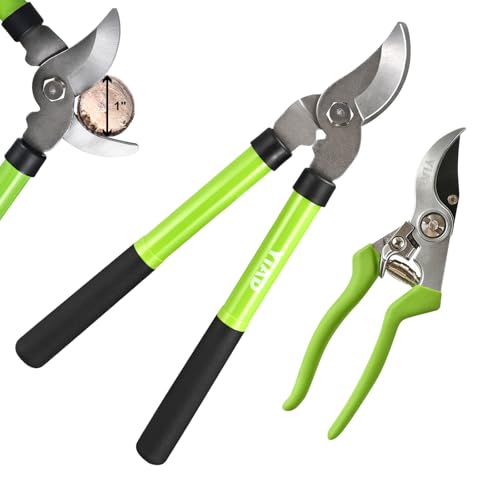
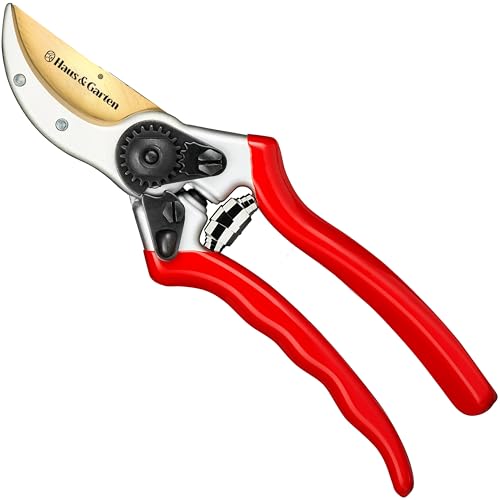
Bypass pruners are ideal for most cuts. For thicker canes (larger than ½ inch), use loppers or a pruning saw. Keep tools sharp and disinfect them between plants to prevent disease transmission.
Essential Tools for Spring Rose Pruning
Bypass Pruners
Sharp and precise, perfect for canes up to ¾ inch.
Loppers
For thicker canes and longer reach.
Pruning Saw
For very old or thick wood (over 1 inch).
Rubbing Alcohol
Disinfect tools between cuts to avoid spreading disease.
Gloves
Thick gloves protect your hands from thorns and sap.
Pruning Different Types of Roses
Not all roses are pruned the same way. Here's how to approach the most common types:
- Hybrid Tea & Grandiflora: Prune heavily to encourage large, showy blooms. Remove weak canes and cut remaining ones to about 12–18 inches.
- Floribunda & Polyantha: Prune moderately to produce clusters of flowers. Leave 3–5 strong canes and reduce height by about one-third.
- Climbing Roses: Prune lightly in spring, focusing on dead or weak canes. Tie remaining canes horizontally to promote side shoots and more flowers.
- Shrub & Landscape Roses: Minimal pruning needed. Remove dead wood and trim to shape. Many are self-cleaning and bloom on new wood.
Did you know? Some roses bloom on old wood (like climbers). Pruning them too early in spring can remove flower buds. For these, prune after the first flush of blooms.
Aftercare: What to Do After Pruning
Once you've finished cutting back your rose bushes, follow these steps to help them thrive:
- Clean up debris: Remove all cuttings from the ground to prevent disease and pests.
- Apply a slow-release fertilizer: This gives your roses the nutrients they need to produce strong new growth and abundant blooms.
- Mulch around the base: A 2–3 inch layer of compost or bark mulch helps retain moisture and suppress weeds.
- Water deeply: Water thoroughly to settle the soil and encourage root growth.
Common Spring Pruning Mistakes
- Pruning too early: Wait until the last frost has passed and new growth begins to appear.
- Using dull tools: Dull blades crush stems, making them vulnerable to disease.
- Cutting at the wrong angle: Flat cuts can collect water and cause rot. Always cut at a 45° angle.
- Leaving stubs: Cut close to a bud or main stem to prevent dieback.
- Over-pruning: Removing too much can weaken the plant and reduce blooms.
Related Guides: Learn more about caring for rose bushes in spring, how to trim roses for continuous blooms, or check out when and how to cut back rose bushes. For other plants, explore pruning hydrangeas and pruning tomatoes for maximum yield.
Frequently Asked Questions
Q: Can I prune roses in early spring before new leaves appear?
A: Yes! Pruning before new growth emerges helps you see the plant's structure clearly and prevents damage to new shoots.
Q: Should I seal pruning cuts?
A: No, roses heal best when cuts are left open to air. Sealing can trap moisture and encourage rot.
Q: What if I prune too late?
A: Late pruning can remove flower buds (especially on old-wood bloomers). If you're unsure, prune lightly and observe.