How to Trim Rose Bushes So They Keep Blooming
Master the art of pruning roses to enjoy wave after wave of beautiful blooms all season long. Learn the right timing, technique, and aftercare.
START PRUNING NOWLet Gardening Philosophy: Pruning roses is both a science and an art. When done correctly, it encourages vigorous growth, improves air circulation, and most importantly – triggers repeat blooming. Whether you're a beginner or a seasoned gardener, this guide will show you exactly how to trim rose bushes so they keep blooming with confidence.
Why Pruning Makes Roses Bloom More
Pruning is not just about shaping your rose bush – it's about redirecting energy. When you remove old, dead, or crossing canes, the plant channels its resources into producing new, vigorous growth that bears flowers. Regular trimming also:
- Removes spent flowers (deadheading) to encourage repeat blooming
- Improves air circulation to reduce fungal diseases like black spot
- Opens up the center to allow sunlight to reach all parts of the plant
- Stimulates strong canes that can support heavy blooms
If you want a rose bush that blooms continuously from spring to fall, consistent and correct pruning is non-negotiable. For more foundational rose care, check out our guide on how to care for rose bushes in the spring.
When to Trim Rose Bushes for Maximum Blooms
Timing is everything. The best time to perform a major prune is in late winter or early spring, just as the buds begin to swell but before new growth emerges. This is typically when the forsythia blooms. However, for continuous blooming, you'll also need to deadhead throughout the growing season.
📅 Quick Reference:
- Major Prune: Late winter / early spring (once frost danger passes)
- Deadheading: Throughout the blooming season (as soon as flowers fade)
- Light Summer Trim: After the first flush of blooms to encourage a second flush
For more information on seasonal pruning, see our article on when to prune hydrangeas, as similar principles apply to woody shrubs.
Step-by-Step Guide: How to Trim Rose Bushes
Follow these simple steps to prune your roses like a pro and ensure they keep blooming abundantly.
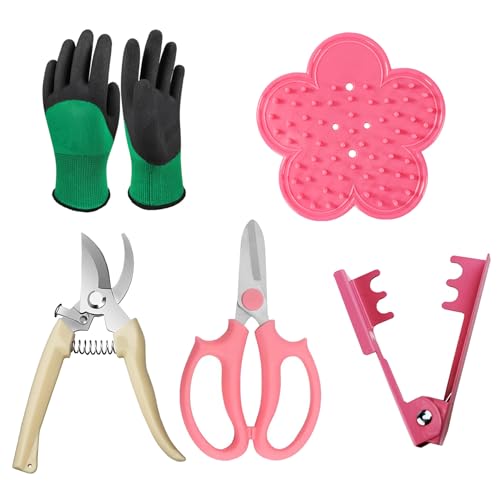
- Gather the Right Tools: You'll need sharp bypass pruners, long-handled loppers for thick canes, and heavy-duty gloves to protect your hands. Clean your tools with rubbing alcohol before you start to prevent spreading disease.
- Remove Dead, Damaged, or Diseased Wood (The Three D's): This is your first cut. Remove any canes that are brown, shriveled, or show signs of disease. Cut them back to healthy, green tissue or all the way to the base.
- Open Up the Center: Remove any canes that are crossing, rubbing, or growing inward. Aim to create a vase-like shape that allows air and light to reach the center of the plant.
- Cut Back Remaining Canes: Cut the healthy canes back by about one-third to one-half. Make your cut at a 45-degree angle, about ¼ inch above an outward-facing bud. This encourages new growth to grow outward, not inward.
- Clean Up Debris: Remove all pruned material from around the base of the plant. This helps prevent disease and pests from overwintering.
- Feed and Water: After pruning, give your rose bush a dose of balanced fertilizer and water deeply to support new growth.
For other pruning techniques, you might find our guides on how to prune tomato plants and when and how to cut back rose bushes helpful.
Deadheading: The Secret to Constant Blooms
Deadheading is the practice of removing spent flowers. When you deadhead, you prevent the plant from using energy to produce seeds (hips) and instead trigger it to produce more flowers. This is essential for keeping your rose bushes blooming all summer.
To deadhead, cut the stem back to the first set of five leaflets, making a clean cut at a 45-degree angle. This encourages a new flowering shoot to develop. Repeat this process every 1-2 weeks during the peak blooming season.
If you're also growing other flowering plants, you might like our article on cutting dead flowers off hydrangeas for similar techniques.
Aftercare: Feeding, Watering & Mulching
Pruning is just one part of the equation. To get the most blooms, you need to support your roses with proper aftercare. Here's what to do after you trim:
- Fertilize: Apply a balanced rose fertilizer (10-10-10 or a specialized rose food) after the first flush of blooms to promote repeat flowering.
- Water Deeply: Roses need about 1-2 inches of water per week. Water at the base to keep foliage dry and prevent disease.
- Mulch: Apply a 2-3 inch layer of organic mulch around the base to retain moisture, regulate soil temperature, and suppress weeds.
- Monitor for Pests: Keep an eye out for aphids, spider mites, and other pests. Treat early with organic insecticidal soap or neem oil.
For more on natural pest control, see our guide on natural weed control, which can also be applied to your garden beds.
Light Summer Pruning for Continuous Blooms
After the first major bloom cycle in early summer, you can perform a light prune to encourage a second flush of flowers. This is especially important for repeat-blooming varieties like hybrid teas, floribundas, and grandifloras.
Cut back the flowering stems by about one-third, and remove any weak or spindly growth. This will stimulate the production of new flowering canes. For a deeper dive into seasonal pruning, read our article on pruning tomato plants for comparison.
Common Pruning Mistakes That Reduce Blooms
- ❌ Pruning too late in spring – removes buds that are about to flower.
- ❌ Making blunt cuts – damages the cane and invites disease.
- ❌ Over-pruning – removing too much growth can stress the plant and reduce blooms.
- ❌ Cutting straight across – always cut at a 45-degree angle to shed water away from the bud.
- ❌ Ignoring the shape – a bush that's too dense will have fewer blooms due to poor air circulation.
If you're unsure about the type of rose you have, check out our resources on trimming rose bushes after they bloom and the best time of year to prune roses.
Enjoy a Season of Non-Stop Blooms
Learning how to trim rose bushes so they keep blooming is one of the most rewarding skills a gardener can master. With the right timing, technique, and aftercare, your roses will reward you with an abundance of beautiful flowers from spring through fall. Remember: every cut is an opportunity for new growth and more blooms.
Now that you're equipped with this knowledge, get out there and prune with confidence. For more expert tips, explore our other guides on how to trim rose bushes in spring and cutting back rose bushes in the fall.