Indoor Plants That Clean Air and Are Safe for Cats
Discover beautiful, air-purifying houseplants that are completely non-toxic to your feline friends. Create a healthier home for both you and your cat with our expert guide.
Explore Cat-Safe Air PurifiersWhy Choose Cat-Safe Air-Purifying Plants? Many popular air-purifying plants like peace lilies and snake plants are unfortunately toxic to cats. This guide focuses exclusively on plants that are proven to improve indoor air quality while being completely safe for your feline companions. You'll learn which plants effectively remove common toxins like formaldehyde and benzene, how to care for them, and how to create a pet-safe green haven in your home.
Why Indoor Air Quality Matters for You and Your Cat
Indoor air pollution is a real concern for both humans and pets. Common household items like furniture, cleaning products, and even carpets release volatile organic compounds (VOCs) that can affect respiratory health. Cats are particularly sensitive to airborne toxins due to their smaller lung capacity and grooming habits. According to the indoor plant care guide, incorporating air-purifying plants is a natural, effective way to improve your home's environment without relying on chemical air fresheners.
Certain houseplants have been studied by NASA and other research organizations for their ability to filter toxins such as formaldehyde, benzene, and trichloroethylene. The challenge for cat owners is finding plants that deliver these benefits without posing a risk to curious pets. Fortunately, several excellent options exist. For those also concerned about dogs, you can explore our guide on indoor plants that are safe for cats and dogs.
⚠️ Important: Plants to Avoid If You Have Cats
Before we dive into safe options, it's crucial to know which air-purifying plants are toxic to cats. Avoid these common air cleaners:
- Peace Lily (Spathiphyllum) – Contains calcium oxalate crystals that cause oral irritation and vomiting
- Snake Plant (Sansevieria) – Causes nausea, vomiting, and diarrhea in cats
- Dracaena species – Can cause drooling, vomiting, and weakness
- Pothos (Epipremnum aureum) – Highly toxic, causes oral irritation and difficulty swallowing
- English Ivy – Toxic to both cats and dogs, causes gastrointestinal distress
Top Air-Purifying Plants That Are Safe for Cats
These plants have been carefully selected for their air-cleaning abilities and their non-toxic status according to the ASPCA. They are available in various sizes and care levels, making them suitable for any home environment.
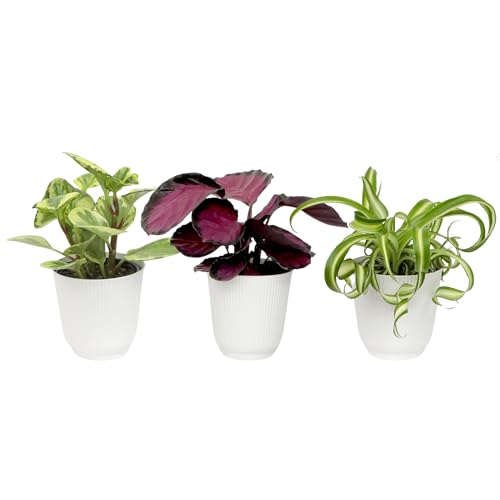
Spider Plant (Chlorophytum comosum)
One of the most effective and popular air-purifying plants that is completely non-toxic to cats. Spider plants are known for removing formaldehyde and carbon monoxide from indoor air.
- Removes formaldehyde and xylene
- Non-toxic to cats and dogs
- Easy to grow and propagate
- Thrives in indirect light
- Ideal for hanging baskets
Boston Fern (Nephrolepis exaltata)
A lush, feathery fern that excels at removing formaldehyde and adding humidity to the air. Completely safe for cats and a beautiful addition to any room.
- Excellent formaldehyde removal
- Non-toxic to cats
- Adds natural humidity
- Prefers indirect light and moisture
- Great for bathrooms and kitchens
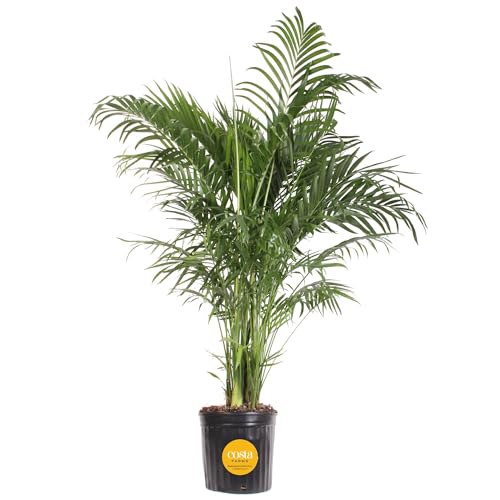
Areca Palm (Dypsis lutescens)
A graceful, large palm that effectively filters airborne toxins and adds a tropical feel to your home. Safe for cats and relatively low-maintenance for its size.
- Filters benzene and formaldehyde
- Non-toxic to cats
- Pet-safe large indoor plant
- Thrives in bright, indirect light
- Acts as a natural humidifier
Calathea (Calathea spp.)
Known for its striking patterned leaves, Calathea is an excellent air purifier that is non-toxic to cats. It's a slightly more demanding plant but rewards with beautiful foliage.
- Removes formaldehyde and benzene
- Non-toxic to cats
- Stunning decorative foliage
- Prefers high humidity and indirect light
- Ideal for bedrooms and living rooms
Baby Rubber Plant (Peperomia obtusifolia)
A compact, easy-care plant that filters indoor air and is completely safe for cats. Its thick, glossy leaves make it an attractive addition to desks and shelves.
- Filters formaldehyde and benzene
- Non-toxic to cats and dogs
- Low-maintenance and compact
- Thrives in medium indirect light
- Perfect for small spaces
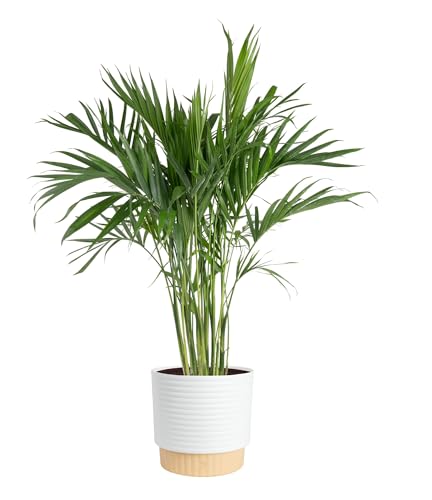
Parlor Palm (Chamaedorea elegans)
A charming, slow-growing palm that purifies indoor air and is safe for cats. It's an excellent choice for low-light areas and adds a touch of elegance to any room.
- Removes benzene and trichloroethylene
- Non-toxic to cats
- Thrives in low-light conditions
- Compact and slow-growing
- Great for apartments and offices
Prayer Plant (Maranta leuconeura)
A unique plant with leaves that fold at night, the Prayer Plant is an effective air purifier and is completely non-toxic to cats. Its attractive patterns make it a conversation piece.
- Improves indoor air quality
- Non-toxic to cats
- Unique leaf movement
- Prefers indirect light and humidity
- Beautiful patterned foliage
Aluminum Plant (Pilea cadierei)
A striking plant with silver-patterned leaves that is both an air purifier and safe for cats. It's an excellent beginner-friendly option for pet owners.
- Filters indoor air pollutants
- Non-toxic to cats
- Easy to grow and maintain
- Prefers bright, indirect light
- Unique silver-patterned foliage
Cat-Safe Air-Purifying Plants Comparison
Use this comparison table to quickly identify which plant best suits your home environment and care preferences.
| Plant | Air-Purifying Power | Cat Safety | Care Level | Light Needs |
|---|---|---|---|---|
| Spider Plant | High | Non-toxic | Easy | Indirect |
| Boston Fern | High | Non-toxic | Moderate | Indirect |
| Areca Palm | High | Non-toxic | Moderate | Bright Indirect |
| Calathea | Moderate | Non-toxic | Moderate | Indirect |
| Baby Rubber Plant | Moderate | Non-toxic | Easy | Medium Indirect |
| Parlor Palm | Moderate | Non-toxic | Easy | Low to Indirect |
| Prayer Plant | Moderate | Non-toxic | Moderate | Indirect |
| Aluminum Plant | Moderate | Non-toxic | Easy | Bright Indirect |
How to Care for Cat-Safe Air-Purifying Plants
Caring for these plants is similar to caring for any houseplant, but there are a few special considerations when you have cats. For a comprehensive overview of general plant care, refer to our indoor plant care guide.
Light Requirements: Most cat-safe air purifiers prefer bright, indirect light. Avoid direct sunlight, which can scorch leaves. Plants like the Parlor Palm and Spider Plant can tolerate lower light levels, making them versatile options. If your home has limited natural light, consider plants like the indoor plants that don't need a lot of light.
Watering: Water your plants when the top inch of soil feels dry. Avoid overwatering, which can lead to root rot. Boston Ferns and Calatheas prefer consistently moist soil, while Spider Plants and Areca Palms are more forgiving of occasional dryness.
Placement: Place plants in areas where your cat can't easily knock them over. Hanging baskets are ideal for Spider Plants, and sturdy floor stands work well for larger plants like Areca Palms. Keep in mind that cats are curious, so consider placing plants on elevated surfaces or in rooms your cat doesn't frequent unsupervised.
Fertilizing: Feed your plants with a balanced liquid fertilizer during the growing season (spring and summer). Avoid fertilizing in winter when growth slows. Always use pet-safe fertilizers and follow the instructions carefully.
Creating a Cat-Safe Green Space
Beyond choosing the right plants, there are several steps you can take to create a harmonious environment where both your plants and your cat can thrive.
Provide Alternatives: Cats are naturally drawn to plants, so consider providing cat grass or catnip as a safe alternative. This can redirect their attention away from your more valuable houseplants. You can find cat grass seeds at most pet stores or online.
Use Deterrents: If your cat is particularly curious, use natural deterrents like citrus peels or commercial pet-safe repellents around your plants. You can also place decorative stones or pinecones on top of the soil to discourage digging.
Elevate Plants: Use shelves, hanging baskets, or plant stands to keep plants out of reach. This not only protects your plants but also adds visual interest to your home decor. For large plants, consider using a sturdy floor stand or placing them in a corner where your cat is less likely to explore.
Monitor Interactions: Even non-toxic plants can cause mild gastrointestinal upset if ingested in large quantities. Watch your cat's behavior around new plants and consult your veterinarian if you notice any signs of illness. For a broader list of pet-safe options, explore our guide on indoor plants that are safe for cats and dogs.
Frequently Asked Questions
Are air-purifying plants safe for cats?
Not all air-purifying plants are safe for cats. Some popular air cleaners like peace lilies and snake plants can be toxic to felines. However, several effective air-purifying plants such as spider plants, Boston ferns, and areca palms are completely non-toxic and safe for cats.
Which indoor plant is best for air purification and cat safety?
Spider plants are considered one of the best choices because they are excellent at removing formaldehyde and carbon monoxide from the air while being completely non-toxic to cats. Boston ferns and areca palms are also top-tier options for both air quality and pet safety.
How many air-purifying plants do I need for a room?
Research suggests that two to three medium-sized air-purifying plants per room can provide noticeable air quality benefits. For larger spaces or rooms with poor ventilation, you may need more plants to achieve optimal air purification.
Do cat-safe air-purifying plants require special care?
Most cat-safe air-purifying plants have similar care requirements to other houseplants. They generally need indirect light, regular watering, and occasional fertilizing. Plants like spider plants and Boston ferns are low-maintenance and ideal for beginners.
Can I use air-purifying plants in a room with low light?
Yes, several cat-safe air-purifying plants thrive in low-light conditions. The Parlor Palm and Spider Plant are excellent choices for rooms with limited natural light. For more options, explore our guide on indoor plants that don't need a lot of light.
Ready to Breathe Cleaner Air with Your Cat?
Start with one or two cat-safe air-purifying plants and experience the difference in your home's air quality. Your cat will thank you, and you'll enjoy a healthier, greener living space.
Browse Cat-Safe Plants AboveExplore More Gardening Guides: For more expert advice on creating a pet-friendly garden, check out our guides on indoor plant care, indoor plants safe for cats and dogs, and house plants that don't need a lot of sun. If you're looking for large statement plants, explore our selection of large houseplants that are easy to take care of.