Is a Beefsteak Tomato Determinate or Indeterminate?
Uncover the growth secrets of beefsteak tomatoes. Learn the key differences, pruning needs, and which type will yield the juiciest harvest for your garden.
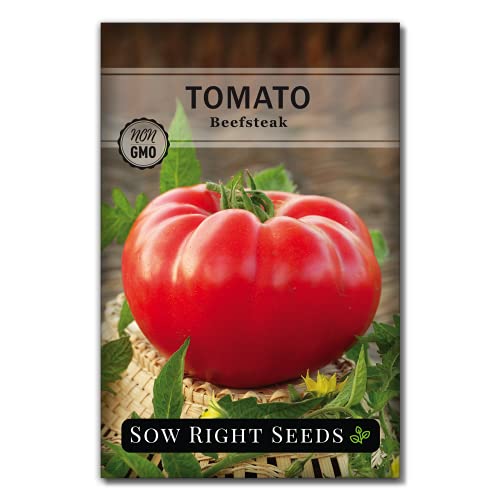
Beefsteak tomatoes are among the most popular and beloved tomato varieties, prized for their large, meaty fruits and rich, classic flavor. But if you're planning to grow them, one of the first questions you'll encounter is: is a beefsteak tomato determinate or indeterminate? The short answer is that most beefsteak tomato varieties are indeterminate. However, there are a few determinate cultivars available. Understanding this distinction is crucial for successful cultivation, as it influences everything from pruning and staking to harvest timing and garden layout.
In this comprehensive guide, we'll break down the differences between determinate and indeterminate tomatoes, explain what makes beefsteak tomatoes unique, and help you decide which type is best for your garden. Whether you're a beginner or an experienced gardener, this information will ensure you get the most out of your beefsteak plants.
Determinate vs. Indeterminate Tomatoes: What's the Difference?
Before diving into beefsteak specifics, it's helpful to understand the two main growth categories for tomato plants:
- Determinate (Bush) Tomatoes: These plants grow to a compact, predetermined height (usually 3–4 feet) and set all their fruit at once. They are ideal for container gardening, small spaces, and those who prefer a single, large harvest for canning or preserving.
- Indeterminate (Vining) Tomatoes: These plants continue to grow and produce fruit throughout the season until frost kills them. They can reach heights of 6 feet or more and require sturdy staking or caging. Indeterminate varieties offer a prolonged harvest, perfect for gardeners who enjoy fresh tomatoes over several months.
Most beefsteak tomatoes are indeterminate, meaning they will keep growing and producing large fruits all season long. This is why they are often the stars of home gardens, providing a steady supply of giant, flavorful tomatoes from mid-summer until fall.
Beefsteak Tomato Growth Habit: Indeterminate Dominance
Classic beefsteak varieties like 'Brandywine', 'Cherokee Purple', and 'Big Beef' are all indeterminate. This means they are vining plants that require support and regular pruning to manage their vigorous growth. Indeterminate beefsteaks can grow 8–10 feet tall if given the right conditions, producing massive fruits weighing up to two pounds or more.
However, a few determinate beefsteak cultivars exist, such as 'Bush Beefsteak' or 'Dwarf Beefsteak'. These are bred for compact growth, making them suitable for containers or smaller garden spaces. They produce a concentrated harvest, which is convenient if you want to process a lot of tomatoes at once.
📌 Key Takeaway: The vast majority of beefsteak tomatoes you'll find are indeterminate. Always check the seed packet or plant label to confirm the growth habit, as this will determine your pruning, staking, and spacing strategies.
Beefsteak Tomato Types: Side-by-Side Comparison
| Feature | Indeterminate Beefsteak | Determinate Beefsteak |
|---|---|---|
| Growth Habit | Vining, continues growing all season | Bushy, stops growing at a set height |
| Height | 6–10+ feet | 3–4 feet |
| Fruit Production | Continuous until frost | All at once, over 2–3 weeks |
| Support Needed | Sturdy cages, stakes, or trellises | Minimal support, sometimes optional |
| Pruning | Regular pruning to manage growth | Limited pruning needed |
| Best For | Extended harvest, fresh eating, large gardens | Containers, small spaces, canning |
| Common Varieties | Brandywine, Cherokee Purple, Big Beef, Beefmaster | Bush Beefsteak, Dwarf Beefsteak, Tidy Treats |
Pruning and Support for Beefsteak Tomatoes
Because most beefsteak tomatoes are indeterminate, they require a robust support system. A sturdy tomato cage or a trellis system is essential to keep the heavy vines and large fruits off the ground, preventing disease and rot. Pruning is also important: by removing suckers (the small shoots that grow between the main stem and branches), you direct the plant's energy toward producing fewer but larger fruits. This is especially beneficial for beefsteaks, as it encourages the development of those giant, show-stopping tomatoes.
For determinate beefsteak varieties, pruning is minimal. Simply remove any yellowing leaves or damaged branches to maintain plant health. These compact plants are often supported with small cages or stakes, but they are generally self-supporting.
Pro Tips for Growing Beefsteak Tomatoes
☀️ Sunlight
Beefsteak tomatoes need 6–8 hours of direct sunlight daily. Choose the sunniest spot in your garden for the best flavor and yield.
🌱 Soil & Fertilizer
Plant in rich, well-draining soil amended with compost. Use a balanced fertilizer at planting, then switch to a phosphorus-rich formula to encourage blooming and fruiting.
💧 Watering
Water deeply and consistently, aiming for 1–2 inches per week. Avoid overhead watering to reduce the risk of fungal diseases. Mulch around the base to retain moisture.
🌿 Spacing
Space indeterminate plants 24–36 inches apart in rows 3–4 feet apart. Determinate plants can be planted closer, about 18–24 inches apart.
Which Beefsteak Tomato is Right for You?
Choosing between determinate and indeterminate beefsteak tomatoes comes down to your gardening goals and space availability. If you have a large garden and love the idea of a continuous supply of giant, juicy tomatoes from July to October, go with an indeterminate variety. They are the classic choice for home gardeners who prize fresh, vine-ripened flavor.
If you have limited space, want to grow in containers, or prefer a single, concentrated harvest for making sauces, salsas, or canning, then a determinate beefsteak is a smart choice. They are low-maintenance and deliver all their fruit within a short window, making processing easier.
Whichever you choose, beefsteak tomatoes are a rewarding and delicious addition to any garden. With the right care and knowledge, you'll be enjoying the fruits of your labor in no time.
📖 Want to learn more about growing tomatoes? Check out our guides on how to plant a tomato plant in the ground, best soil mixture for growing tomatoes in containers, and how deep should a pot be for a tomato plant. For general gardening knowledge, explore our lawn and garden resources.