How to Plant a Tomato Plant in the Ground
Master the art of planting tomatoes directly in your garden soil. Follow this expert step-by-step guide for healthy plants, strong roots, and a bountiful harvest.
Why Plant Tomatoes in the Ground?
Planting tomatoes directly in the ground gives them more space to develop extensive root systems, leading to stronger plants and higher yields. In-ground planting also provides better access to natural soil nutrients and moisture. Whether you're a beginner or an experienced gardener, this guide will walk you through every step — from selecting the right location to harvesting your first ripe tomato.
For more vegetable gardening insights, explore our Vegetable Garden guides or check out the best vegetables and herbs to grow in raised beds for alternative planting methods.
Step-by-Step Planting Guide
1. Choose the Right Location
Select a sunny spot that receives at least 6–8 hours of direct sunlight daily. Tomatoes thrive in warm conditions. Avoid areas where nightshade crops (peppers, eggplants, potatoes) have grown in the past 2–3 years to reduce disease risk. Good drainage is essential — avoid low spots where water pools.
2. Prepare the Soil
Loosen the soil to a depth of 12–15 inches using a garden fork or tiller. Mix in 2–4 inches of organic compost or well-aged manure to enrich the soil. Tomatoes prefer slightly acidic soil with a pH between 6.0 and 6.8. For optimal soil conditions, consider using the best soil for growing tomatoes in a raised bed as a reference for your garden bed.
3. Dig the Planting Hole
Dig a hole about 18–24 inches deep and wide enough to accommodate the root ball. For better root development, many gardeners dig a trench and lay the plant sideways, burying the stem up to the first set of true leaves. This encourages adventitious roots to grow along the buried stem, creating a stronger root system.
4. Remove Lower Leaves & Plant Deep
Gently remove the lower leaves from the tomato seedling, leaving only the top 4–6 leaves. Place the plant in the hole so that the remaining leaves are just above the soil surface. Bury the stem deep — this is the most critical step for robust root growth. The buried stem will develop new roots, making the plant more resilient and productive.
5. Backfill & Firm the Soil
Fill the hole with the excavated soil, gently firming it around the plant to eliminate air pockets. Do not compact the soil too heavily — just enough to secure the plant. Water thoroughly after planting to settle the soil around the roots.
6. Install Support (Stake or Cage)
Install a tomato cage, stake, or trellis at the time of planting to avoid damaging the roots later. This support will keep the plant upright, improve air circulation, and make harvesting easier. Determinate varieties may need less support, while indeterminate types will continue to grow and produce fruit throughout the season.
Learn more about whether a beefsteak tomato is determinate or indeterminate to choose the right support for your variety.
7. Water Deeply & Mulch
Water deeply immediately after planting to saturate the root zone. Apply a 2–3 inch layer of organic mulch (straw, wood chips, or grass clippings) around the base to retain moisture, suppress weeds, and regulate soil temperature. Consistent moisture is key to preventing blossom end rot and other stress-related issues.
8. Ongoing Care & Feeding
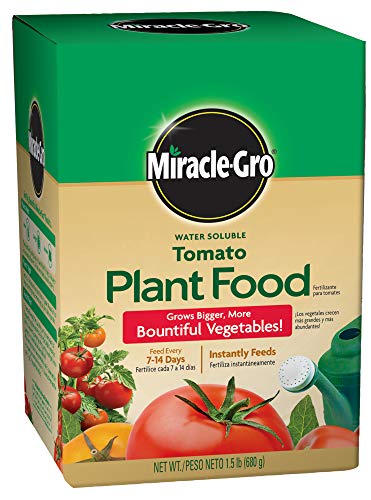
Fertilize with a balanced, slow-release tomato fertilizer every 4–6 weeks. Water regularly, aiming for 1–2 inches per week, depending on rainfall. Prune suckers (side shoots) on indeterminate varieties to focus energy on fruit production. Monitor for pests and diseases, and take action early.
For container options, see the best way to grow a tomato plant in a pot if you're considering a smaller space solution.
🌱 Expert Tip: For the best results, plant tomatoes after the last frost date when soil temperatures have warmed to at least 60°F (16°C). Use row covers or cloches if a late cold snap is forecast. Learn when is the best time to put tomato plants outside to time your planting perfectly.
Soil & Planting Depth Essentials
Ideal Soil Composition
A loamy, well-draining soil rich in organic matter is ideal. If your native soil is heavy clay or sandy, amend it with compost, peat moss, or aged manure. The best soil mixture for growing tomatoes in containers can also serve as a great reference for balancing nutrients and drainage in your garden bed.
Planting Depth Matters
The depth at which you plant a tomato is one of the most important factors for success. Bury the stem up to the first set of true leaves. This practice triggers the development of additional roots along the stem, making the plant more drought-tolerant and capable of absorbing more nutrients. Avoid planting too shallow, as this can lead to weak, spindly plants.
Learn more about how deep tomato plants need to be planted for a deeper dive into this technique.
Common Mistakes to Avoid
- Planting too early when soil is still cold
- Burying the plant too shallow (less than 6 inches deep)
- Overcrowding plants — space them 24–36 inches apart
- Inconsistent watering — keep soil evenly moist
- Neglecting to provide support until it's too late
- Over-fertilizing with nitrogen-rich fertilizer
Ready to Plant Your Tomatoes?
With the right preparation and care, you'll be enjoying fresh, homegrown tomatoes in no time. For more tips on growing a thriving garden, explore our Gardening Tips & Guides. And if you're expanding your garden, discover the best vegetables and herbs to grow in raised beds to complement your tomato plants.