Best Soil for Growing Tomatoes in a Raised Bed
Create the perfect foundation for juicy, flavorful tomatoes with the ideal raised bed soil mix.
Why soil matters: Tomatoes are heavy feeders with deep root systems. The right soil in a raised bed provides optimal drainage, aeration, and nutrients — leading to healthier plants and bigger harvests. Let’s dig into the perfect recipe.
The Ideal Soil Mix for Raised Bed Tomatoes
A high-quality raised bed soil for tomatoes should be loamy, well-draining, and rich in organic matter. The classic "Mel's Mix" (1/3 compost, 1/3 peat moss or coconut coir, 1/3 coarse vermiculite) is a great starting point. However, tomatoes benefit from a slightly heavier mix that holds moisture while still draining excess water.
Here’s a proven recipe that works exceptionally well:
- 40% high-quality compost — provides essential nutrients and beneficial microbes.
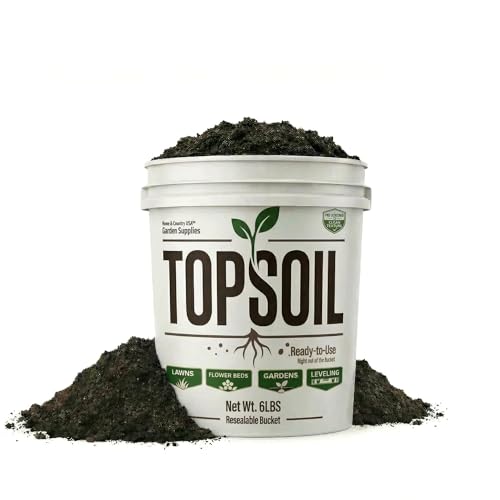
- 30% topsoil — adds structure and mineral content (avoid heavy clay).
- 20% aged manure or worm castings — boosts fertility and improves texture.
- 10% perlite or coarse sand — ensures excellent drainage and root aeration.
Mix these ingredients thoroughly in your raised bed. For a standard 4'x8' bed (about 16 cubic feet), you'll need roughly 6–8 bags of compost, 4–6 bags of topsoil, and 2–3 bags of perlite. This blend provides a balanced environment for strong root development.
pH and Nutrient Balance
Tomatoes prefer slightly acidic soil with a pH between 6.0 and 6.8. This range maximizes nutrient availability, especially phosphorus, calcium, and magnesium — critical for fruit production and preventing blossom-end rot.
Before planting, test your soil pH. If the pH is too low (below 6.0), add garden lime to raise it. If it's too high (above 7.0), incorporate elemental sulfur or peat moss to lower it. Most quality compost and topsoil blends fall within the ideal range, but testing ensures accuracy.
Drainage & Aeration — The Secret to Healthy Roots
Tomato roots need oxygen and consistent moisture — but they cannot tolerate waterlogged soil. Poor drainage leads to root rot, fungal diseases, and stunted growth. Raised beds naturally improve drainage, but the soil mix must support it.
Incorporate perlite, coarse sand, or pumice to create pore spaces. These materials allow excess water to drain while retaining enough moisture for the roots. Avoid using fine sand or heavy clay, which can compact and suffocate roots.
For best results, ensure your raised bed is at least 12–18 inches deep. Tomatoes have extensive root systems that benefit from deep, loose soil. If your bed is shallower, consider using a blend with more compost and perlite to compensate.
The Role of Organic Matter
Organic matter is the lifeblood of a tomato garden. It feeds soil organisms, improves structure, and slowly releases nutrients. Compost, aged manure, leaf mold, and worm castings are excellent choices.
When using manure, make sure it's well-aged (at least 6 months) to avoid burning plant roots. Fresh manure can introduce pathogens and excess nitrogen, which promotes foliage growth at the expense of fruit.
Learn more about raised bed vegetable gardening and discover other crops that thrive in this soil mix.
Step-by-Step Bed Preparation
- Clear the bed: Remove weeds, rocks, and debris.
- Add a 2-inch layer of compost on top of the existing soil (if any).
- Mix in the soil blend according to the recipe above. Fill the bed to within 2 inches of the top.
- Water thoroughly and let the bed settle for 2–3 days before planting.
- Test pH and adjust if necessary.
- Apply a balanced organic fertilizer according to package instructions.
This preparation ensures your tomato plants get off to a strong start. For more detailed planting advice, check out our guide on how to plant a tomato plant in the ground (the principles apply to raised beds too).
Maintaining Soil Health Throughout the Season
Your soil doesn't stop working after planting. To keep tomatoes productive:
- Mulch with straw, grass clippings, or shredded leaves to retain moisture and suppress weeds.
- Water consistently — aim for 1–2 inches per week, deeply and less frequently.
- Side-dress with compost or organic fertilizer every 4–6 weeks.
- Avoid tilling — disturb the soil as little as possible to protect beneficial organisms.
Healthy soil leads to robust plants. If you notice yellowing leaves or poor fruit set, a soil test can identify deficiencies. Many gardeners also use slow-release lawn fertilizer principles for their vegetable beds, but always choose a formula safe for edibles.
Common Soil Mistakes to Avoid
- Using garden soil alone — it's too heavy and may contain weed seeds.
- Over-fertilizing with nitrogen — leads to leafy growth, fewer tomatoes.
- Ignoring pH — nutrient lockout is a common issue.
- Not adding enough organic matter — soil becomes compacted and lifeless.
- Planting too early — cold soil stunts growth. Wait until soil temperature is above 60°F.
By avoiding these pitfalls, your raised bed tomatoes will thrive. For container growing, see our guide on best soil mixture for growing tomatoes in containers for tailored advice.
Frequently Asked Questions
Can I reuse soil from last year?
Yes, but replenish it with fresh compost and organic matter. Crop rotation helps prevent disease.
How often should I replace raised bed soil?
With proper amending, you can keep the same soil for many years. Add 1–2 inches of compost each season.
Is bagged "raised bed soil" good for tomatoes?
Many are decent, but check the ingredients. Look for blends with compost, peat moss, and perlite. You may need to add extra compost or fertilizer.
Ready to grow the best tomatoes of your life? The right soil is your first step. With this guide, you have everything you need to create a thriving raised bed garden. Let gardening reward you with a bountiful harvest!