Slow Release Lawn Fertilizer: The Smart Way to a Greener Lawn
Stop guesswork and start growing. Learn how slow release lawn fertilizer delivers consistent nutrients for a lush, healthy lawn—without the burn or frequent applications.
What Is Slow Release Lawn Fertilizer?
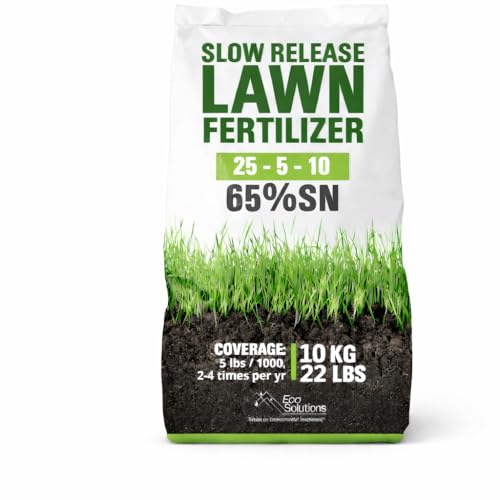
Slow release lawn fertilizer is a type of fertilizer that releases nutrients gradually over an extended period—typically 8 to 12 weeks—rather than all at once. This is achieved through specialized coating technologies (like polymer-coated or sulfur-coated urea) or through the use of organic materials that break down slowly in the soil.
Unlike quick-release fertilizers that give an instant green-up but risk burning the lawn and leaching away, slow release options provide a steady, controlled feed. This means your grass gets the nitrogen it needs exactly when it needs it, promoting even growth, stronger roots, and a more resilient lawn. Let gardening be easy—choose the right fertilizer and let it do the work for you.
Why Choose Slow Release?
🌱 Even, Steady Growth
No more boom-and-bust growth cycles. Slow release fertilizers provide a consistent nutrient supply, resulting in uniform grass color and density. Your lawn will look great for months.
💚 Reduced Risk of Burn
Because nutrients are released gradually, the risk of fertilizer burn (caused by excess nitrogen) is significantly lower. This is especially important during hot summer months.
⏰ Less Frequent Application
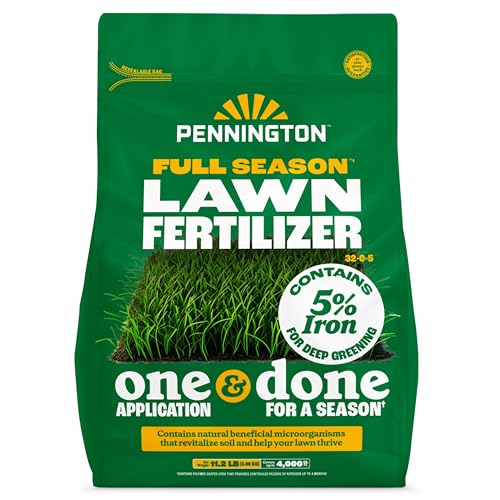
Apply once or twice per season instead of every month. Slow release formulas keep working for up to 12 weeks, saving you time, effort, and money on lawn care.
🌿 Healthier Soil & Roots
Slow release encourages deep root growth and improves soil structure over time. It also reduces nutrient leaching into groundwater, making it a more environmentally friendly choice.
How to Choose the Best Slow Release Fertilizer for Your Lawn
Not all slow release fertilizers are the same. Here are the key factors to consider:
- Nitrogen Source: Look for products with a high percentage of water-insoluble nitrogen (WIN) or slow release nitrogen (SRN). Sulfur-coated urea, polymer-coated urea, and methylene urea are common slow-release sources.
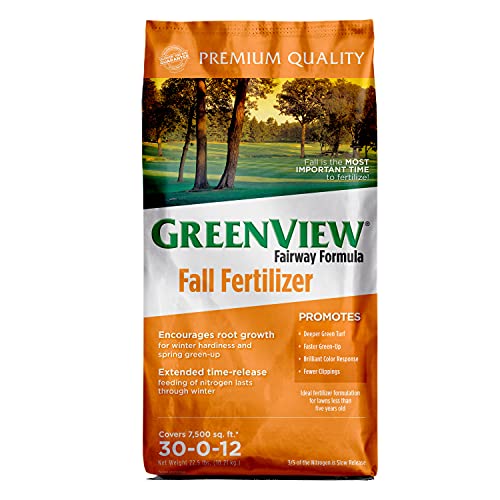
- NPK Ratio: The three numbers on the bag (e.g., 20-5-10) represent Nitrogen-Phosphorus-Potassium. For established lawns, a higher nitrogen ratio (e.g., 20-0-10 or 20-5-10) is ideal. For new lawns, look for a balanced ratio like 15-15-15.
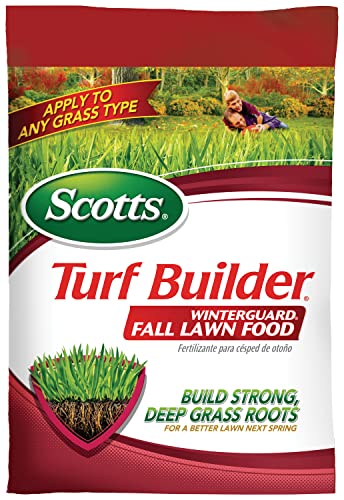
- Application Timing: Some slow release products are better suited for spring growth, while others are formulated for fall or winterizing. Check the label for seasonal recommendations.
- Organic vs. Synthetic: Organic slow release fertilizers (like milorganite or bone meal) feed the soil microbes that then release nutrients to the grass. Synthetic options offer more predictable and faster results. Choose based on your lawn care philosophy.
For more detailed guidance on general lawn care, visit our Lawn and Garden section. If you're dealing with specific lawn issues, our Lawn Care guides can help you troubleshoot.
Pro Tip: For best results, apply slow release fertilizer in early spring (when grass starts to green) and again in late summer or early fall. Always follow the manufacturer's recommended spreader settings and water the lawn lightly after application to help the granules settle into the soil.
When to Use Slow Release vs. Quick Release
Slow release is perfect for routine maintenance and for those who want a 'set it and forget it' approach. Quick release is best for emergencies—like when your lawn is yellowing and needs a rapid green-up—or for use in early spring to jumpstart growth. However, for most homeowners, a high-quality slow release fertilizer is the better choice for overall lawn health and convenience.
If you're also working on your landscaping ideas for front of house flower beds, remember that healthy lawns complement beautiful flower beds. A well-fed lawn will make your entire property look more polished and cared for.
For those with specific soil conditions, consider using a best soil for growing tomatoes or what type of soil is best for christmas cactus as your fertilizer choices can also affect the soil pH and nutrient balance for nearby plants.
Remember, a healthy lawn is the foundation of a beautiful outdoor space. By choosing the right slow release fertilizer, you're investing in the long-term health and beauty of your yard. Let gardening be your guide to a vibrant, thriving landscape.
Ready to Transform Your Lawn?
Choosing the right slow release lawn fertilizer is the first step toward a lush, green, and resilient lawn. Explore the top-rated products below to find the perfect match for your lawn type and climate. Whether you prefer organic or synthetic, there's a slow release formula that will help you achieve the lawn of your dreams.