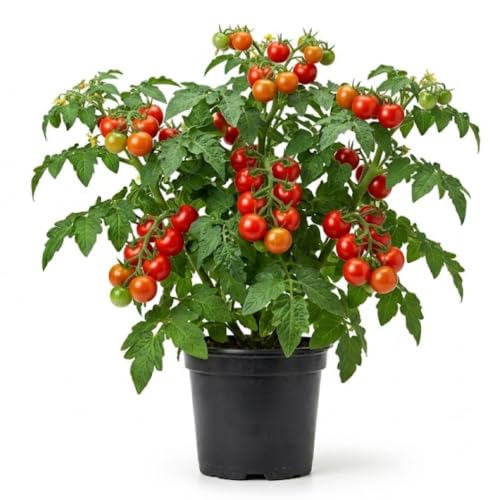
Best Way to Grow a Tomato Plant in a Pot
Discover the secrets to container gardening success. From choosing the right pot and soil to watering, fertilizing, and pruning, this guide covers everything you need to enjoy a rich harvest of homegrown tomatoes right from your patio or balcony.
Growing tomatoes in pots is one of the most rewarding gardening experiences. Whether you have a small balcony, a sunny patio, or just a spot on your deck, container-grown tomatoes can thrive and produce delicious fruit. However, to get the best results, you need to follow a few key practices. This guide walks you through every step, from selecting the right variety to harvesting your first ripe tomato.
💡 Why grow tomatoes in a pot? Container gardening offers better control over soil quality, drainage, and pest management. Plus, it allows you to move plants to optimal sunlight throughout the day.
1. Choosing the Right Tomato Variety
Not all tomato plants are suited for containers. For the best way to grow a tomato plant in a pot, select determinate (bush) varieties or compact indeterminate types. These stay manageable and produce fruit in a concentrated period.
- Determinate (bush): 'Rutgers', 'Celebrity', 'Patio Princess' – ideal for smaller pots (5–10 gallons).
- Indeterminate (vining): 'Sweet 100', 'Sun Gold', 'Better Boy' – need larger containers (15+ gallons) and sturdy support.
- Dwarf varieties: 'Tiny Tim', 'Micro Tom' – perfect for very small spaces.
When you’re ready to plant, make sure to check out our guide on how to plant a tomato plant in the ground for comparison, but for pots, the principles are similar with more controlled conditions.
2. Selecting the Perfect Pot
Size matters. A container that's too small will restrict root growth and reduce yields. For the best way to grow a tomato plant in a pot, follow these recommendations:
- Minimum pot size: 5 gallons (approx. 12–14 inches in diameter) for determinate varieties.
- Ideal size: 10–15 gallons for indeterminate or larger plants.
- Material: Clay, plastic, or fabric pots – all work well. Fabric pots offer excellent aeration, while plastic retains moisture better in hot climates.
- Drainage: Ensure the pot has at least one drainage hole to prevent waterlogging.
⚠️ Critical Tip: The deeper the pot, the better. Tomatoes develop roots along their stems, so a deeper container allows for deeper planting, which leads to a stronger root system. Learn more about how deep should a pot be for a tomato plant for optimal results.
3. Best Soil Mix for Container Tomatoes
Garden soil is too dense for pots. Instead, use a high-quality potting mix that is light, fluffy, and drains well. For the best way to grow a tomato plant in a pot, consider these soil components:
- Base: Premium potting soil (avoid "garden soil").
- Amendment: Mix in compost or aged manure for nutrients.
- Aeration: Add perlite or vermiculite to improve drainage and root health.
- pH: Tomatoes prefer slightly acidic soil (pH 6.0–6.8).
If you're unsure about the right mix, our detailed guide on best soil mixture for growing tomatoes in containers breaks it down step by step. Also, for raised bed gardeners, see best soil for growing tomatoes in a raised bed – the principles are similar.
4. Planting Your Tomato Properly
One of the most important steps in the best way to grow a tomato plant in a pot is planting it deep. Tomatoes have the unique ability to grow roots from their stems, so burying the plant deeper leads to a stronger root system.
- Fill the pot about ¾ full with your prepared soil mix.
- Remove the lower leaves from the tomato seedling, leaving only the top 2–3 sets of leaves.
- Place the plant in the pot so that the stem is buried up to the first set of remaining leaves.
- Backfill with soil, gently firming it around the stem.
- Water thoroughly after planting.
For more detailed planting instructions, check out how to plant a tomato plant in the ground – the deep-planting technique applies to pots as well.
5. Sunlight, Watering & Fertilizing
Sunlight: Tomatoes are sun-lovers. Place your pot in a spot that receives at least 6–8 hours of direct sunlight daily. The more sun, the sweeter the fruit.
Watering: Container tomatoes dry out faster than garden plants. Water deeply when the top 1–2 inches of soil feel dry. Avoid overhead watering to prevent fungal diseases – water at the base.
Fertilizing: Use a balanced, slow-release fertilizer at planting time, then supplement with a liquid fertilizer (higher in phosphorus and potassium) every 2–3 weeks once flowering begins. Over-fertilizing with nitrogen can lead to lush foliage but fewer fruits.
🌱 Pro Tip: Mulch the top of the soil with straw or wood chips to retain moisture and keep roots cool. Also, consider a best above-ground sprinkler system for large yard if you have multiple containers, but for single pots, hand watering is best.
6. Support & Pruning
Even determinate varieties benefit from some support. Use a tomato cage, stake, or trellis to keep the plant upright and improve airflow, which reduces disease risk.
- Staking: Drive a sturdy stake into the pot at planting time and tie the main stem as it grows.
- Caging: A wire cage provides support and allows the plant to grow naturally.
- Pruning: For indeterminate varieties, remove the "suckers" (small shoots that grow between the main stem and branches) to direct energy to fruit production. Determinate varieties need minimal pruning.
Learn more about how deep do tomato plants need to be planted to ensure your support system is set up correctly from the start.
7. Common Pests & Problems
Container tomatoes can still face pest and disease issues. Watch out for:
- Blossom End Rot: Caused by calcium deficiency and inconsistent watering. Maintain even moisture and add a calcium supplement if needed.
- Aphids & Whiteflies: Use insecticidal soap or neem oil.
- Fungal Diseases: Avoid wetting foliage, and prune for good airflow.
For natural pest control solutions, see our guide on best way to get rid of weeds in driveway cracks – many organic weed killers also work for garden pests.
8. Harvesting Your Tomatoes
Tomatoes are ready to pick when they are fully colored and slightly soft to the touch. Twist or snip them from the vine. For the best flavor, harvest at peak ripeness. If you have green tomatoes at the end of the season, you can ripen them indoors.
Remember, the best way to grow a tomato plant in a pot ends with enjoying the fruits of your labor. With proper care, a single plant can produce 10–20 pounds of tomatoes over the season.
🍅 Harvest Tip: Pick tomatoes regularly to encourage more fruit set. And don't forget to share your harvest with friends and family!
Quick Reference: Pot Tomato Care
| Factor | Recommendation |
|---|---|
| Pot Size | 5–15 gallons (depending on variety) |
| Soil Type | Light, well-draining potting mix with compost |
| Sunlight | 6–8 hours of direct sun |
| Watering | Deeply when top 1–2 inches of soil are dry |
| Fertilizer | Balanced slow-release + liquid fertilizer during flowering |
| Support | Stake or cage at planting time |
| Pruning | Remove suckers for indeterminate; minimal for determinate |
Growing tomatoes in containers is a fun and productive way to enjoy fresh produce, even in limited spaces. By following these steps, you'll be well on your way to a successful harvest. For more gardening inspiration, explore our articles on indoor plants for air purifying and low-maintenance care or best low-maintenance indoor plants for clean air to bring greenery into every corner of your home.
Happy gardening, and may your potted tomatoes be the envy of the neighborhood!