Lily of the Valley: The Complete Guide to Growing and Caring for Convallaria Majalis
Discover the timeless charm of Lily of the Valley. This comprehensive guide covers everything from planting and soil preparation to propagation and common problem-solving, ensuring your garden thrives with this delicate, fragrant spring flower.
Why Gardeners Adore Lily of the Valley
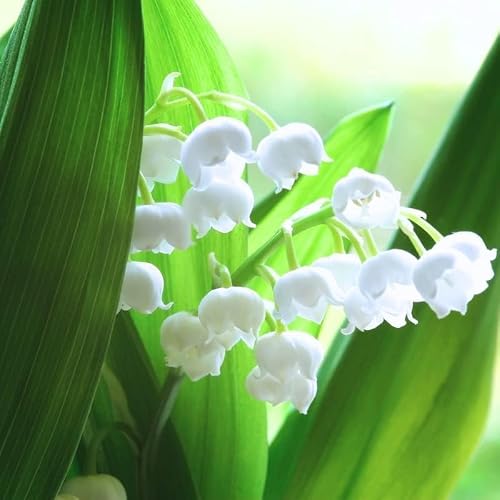
Lily of the Valley (Convallaria majalis) is a beloved perennial known for its sweet fragrance and delicate, bell-shaped white flowers. It’s a classic choice for low-maintenance landscaping and shaded garden spots. This plant is not only beautiful but also remarkably tough, spreading gently to form a lush ground cover. Its appeal lies in its ability to brighten shady corners with a burst of spring elegance.
Whether you're a seasoned gardener or just starting, Lily of the Valley is a rewarding addition. Let's explore how to cultivate this enchanting plant successfully.
How to Plant Lily of the Valley
Planting Lily of the Valley is straightforward, but getting the conditions right ensures vigorous growth and abundant blooms.
Choosing the Right Location
This plant thrives in partial to full shade. It prefers cool, moist soil that is rich in organic matter. An ideal spot is under deciduous trees, where it receives dappled sunlight in spring and summer shade. Avoid hot, dry areas.
Soil Preparation
Lily of the Valley prefers a slightly acidic to neutral pH (6.0–7.0). Work in plenty of compost or well-rotted manure to improve soil structure and fertility. Good drainage is essential to prevent root rot.
Planting Steps
- When to Plant: The best time to plant is in early spring or fall when the soil is cool and moist.
- Spacing: Plant pips (roots) about 4–6 inches apart and 1–2 inches deep, with the growing tips just below the surface.
- Watering: Water thoroughly after planting and keep the soil consistently moist during the first growing season.
Once established, Lily of the Valley is quite resilient and will naturalize, creating a beautiful carpet of green leaves and white flowers each spring. For more ideas on low-maintenance front yard landscaping, this plant is a perfect candidate.
Lily of the Valley: Essential Care Tips
Watering
Keep the soil consistently moist but not waterlogged. During dry spells, water deeply once a week. A layer of mulch helps retain moisture and keep roots cool.
Fertilizing
Apply a balanced, slow-release fertilizer in early spring as new growth appears. An organic compost top-dressing also works well to provide nutrients.
Pruning
Remove spent flower stalks after blooming to encourage healthy foliage. Cut back yellowing leaves in late fall, but leave a few inches of stem to protect the crown.
Dividing
Divide congested clumps every 3–4 years in spring or fall. This rejuvenates the plant and provides new starts for other areas of your garden.
These simple care steps will ensure your Lily of the Valley remains healthy and vibrant. It's an excellent choice for landscaping around pools or other shaded water features, as it tolerates moisture well.
Propagating Lily of the Valley
Expanding your collection or sharing with friends is easy thanks to its rhizomatous roots.
Division
The most common and reliable method is division. In early spring or fall, dig up established clumps, gently separate the rhizomes (pips), and replant them in prepared soil. Each division should have at least one growing point and some roots.
From Seed
While possible, growing from seed is slow and less reliable. Seeds require a period of cold stratification and can take several years to flower. Division is far more efficient.
Troubleshooting: Common Lily of the Valley Issues
While generally resilient, Lily of the Valley can face a few challenges. Here's how to identify and solve them.
- No Blooms: Usually due to too much sunlight or poor soil. Ensure shaded conditions and enrich the soil with compost. Overcrowding can also reduce flowering.
- Yellowing Leaves: Often a sign of overwatering or poor drainage. Ease up on watering and improve soil drainage.
- Pests: Slugs and snails can damage foliage. Use organic slug pellets or beer traps. Leaf spot diseases occur in humid conditions; avoid overhead watering and ensure good air circulation.
- Invasiveness: In some regions, it can spread aggressively. Consider planting in a contained area or using a root barrier.
Early detection and prompt action will keep your plants thriving. For general pest control, you might explore natural weed killer recipes to manage unwanted plants near your lily patch.
Beyond the Garden: Uses and Meaning
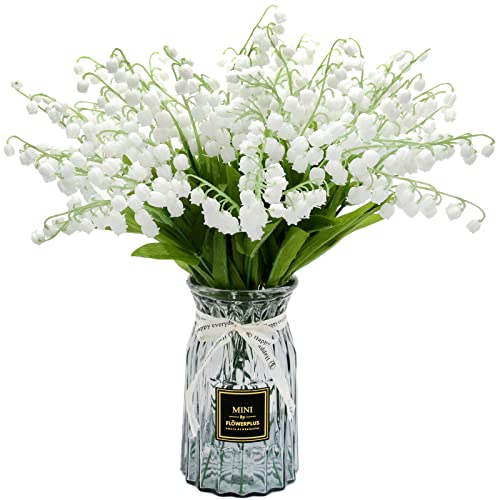
Lily of the Valley is more than just a garden plant. Its fragrant flowers are a favorite for cut flower arrangements and perfumery. The essential oil is used in high-end fragrances.
Symbolically, it represents a return to happiness and is often given as a gift. In many cultures, it's associated with spring and renewal, making it a popular choice for weddings and celebrations.
Whether you're designing a backyard landscape or simply want a charming, fragrant ground cover, this plant delivers beauty and nostalgia.
Frequently Asked Questions About Lily of the Valley
- Is Lily of the Valley toxic? Yes, all parts of the plant are poisonous if ingested. Keep it away from pets and children.
- Does it need full sun? No, it prefers partial to full shade. Direct sun can scorch leaves and reduce flowering.
- How fast does it spread? It spreads moderately via rhizomes and can form a dense carpet within a few years under ideal conditions.
- Can I grow it in a pot? Yes! Use a deep pot with good drainage and keep it in a shaded spot. Divide regularly to prevent overcrowding.
- What should I plant with it? It pairs well with ferns, hostas, and other shade-loving perennials.