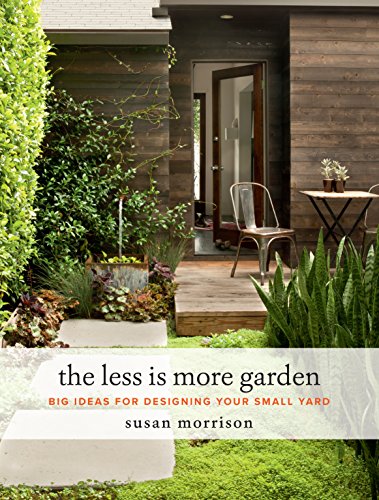
Small Front Yard Landscaping Ideas Low Maintenance
Transform your compact front yard into a beautiful, easy-care space with smart plant choices, clever hardscaping, and design tricks that maximize curb appeal without demanding hours of upkeep.
Explore Low-Maintenance IdeasWhy Low-Maintenance Landscaping Matters
A small front yard can become a burden when it requires constant mowing, edging, watering, and deadheading. Low-maintenance landscaping flips that equation by focusing on plants and materials that look great with minimal intervention. Whether you are a busy professional, a frequent traveler, or someone who simply prefers to spend weekends relaxing rather than pruning, a well-planned low-care front yard delivers consistent curb appeal year after year.
The benefits go beyond convenience. Reduced watering conserves a precious resource, native and drought-tolerant plants support local pollinators, and hardscaping reduces runoff and erosion. If you are exploring simple front yard landscaping ideas, starting with a low-maintenance framework is the smartest foundation you can lay.
Design Principles for Small Front Yards
Limited square footage demands deliberate design. The goal is to make a compact space feel intentional, layered, and larger than it is. These principles apply whether you are starting fresh or refreshing an existing yard.
1. Create a Focal Point
Every small front yard benefits from one clear focal point — a specimen tree, a sculptural boulder, a colorful front door, or a simple water feature. Direct the eye there with a curved path or a mass planting of one color. For hardscaping inspiration, see ponds and fountains ideas that add sound and motion without complex plumbing.
2. Layer Horizontally and Vertically
Layer plants from low groundcovers at the front of the bed to taller shrubs against the house. Add vertical interest with a trellis, a tall ornamental grass, or a small ornamental tree. Layering creates depth that makes a shallow yard feel deeper.
3. Keep Beds Narrow but Rich
A 3–4 foot deep bed is usually enough for a small front yard. Fill it with a repeating palette of three to five plant types to create rhythm and reduce visual clutter. Repetition is one of the most powerful tools for making a small space look designed.
4. Use Light-Colored Hardscaping
Light gravel, pale pavers, and warm-toned mulch reflect light and make the space feel airier. Dark materials can make a small yard feel enclosed. If your yard is shaded, consider shade garden design ideas that use light foliage and bright flowers to lift the mood.
5. Edit Ruthlessly
Small yards reward restraint. Resist the urge to collect many plant varieties. A tight palette of proven performers looks more polished and is easier to maintain than a patchwork of impulse buys.
Choosing the Right Low-Care Plants
The backbone of a low-maintenance front yard is plant selection. Look for species that are adapted to your climate, tolerate the light conditions of your site, and need little supplemental water once established. Native plants are often the best choice because they are already adapted to local rainfall and soil.
Drought-Tolerant Perennials
- Lavender — evergreen in mild climates, loves full sun and well-drained soil, rarely needs watering after the first year.
- Sedum (Stonecrop) — fleshy leaves store water, thrives in poor soil, and offers late-season color.
- Coneflower (Echinacea) — long bloom season, attracts pollinators, and stands up to heat and dry spells.
- Black-Eyed Susan — cheerful yellow blooms, self-seeds gently, and tolerates tough conditions.
- Ornamental Grasses — fountain grass, blue fescue, and switchgrass add movement and texture with almost no care.
Low-Maintenance Shrubs
- Boxwood — classic evergreen structure; choose dwarf varieties for small yards and prune once a year at most.
- Dwarf Yaupon Holly — native evergreen, tolerates drought and pruning, and stays compact.
- Spirea — spring blooms, easy care, and available in compact cultivars.
- Abelia — glossy foliage, fragrant flowers, and a naturally tidy habit.
Groundcovers Instead of Grass
Groundcovers knit the landscape together and suppress weeds. Creeping thyme, liriope, vinca minor (in contained areas), and creeping juniper are all low-care options. For a truly grass-free front yard, see our guide on small front yard landscaping ideas with no grass.
Hardscaping That Cuts Down on Chores
Hardscaping replaces high-maintenance lawn and planting areas with surfaces that need almost no upkeep. For small front yards, the right hardscape can be both practical and beautiful.
Gravel and Decomposed Granite
A gravel bed or decomposed granite path eliminates mowing and edging. Use a landscape fabric beneath to suppress weeds, and choose a local aggregate that complements your home's exterior. Gravel is an entry-level to mid-range choice that works in nearly any climate.
Pavers and Stone
A small paver walkway or a stone landing at the front door adds instant polish and defines the entry. Pavers range from budget-friendly concrete to premium natural stone. For a soft transition, pair pavers with low groundcovers in the joints.
Raised Beds and Planters
Raised beds bring soil up to a comfortable working height and improve drainage. If you want to grow herbs or vegetables in your front yard, a raised bed with legs is a back-saving option — see plans to build a raised garden bed with legs. For container gardening, plastic plant pots with drainage holes and saucer are lightweight, durable, and easy to move.
Mulch Beds
A 2–3 inch layer of mulch suppresses weeds, retains moisture, and gives beds a finished look. Organic mulch breaks down and improves soil over time; inorganic options like gravel last longer but do not feed the soil.
Mulch, Soil, and Watering Strategy
Healthy soil and smart watering are the hidden engines of a low-maintenance yard. Get these right and your plants will need far less intervention.
Build Soil Health First
Before planting, test your soil and amend as needed. Most landscape plants prefer well-drained soil with organic matter. A soil tester takes the guesswork out of pH and nutrient levels. For beds and containers, choose a quality mix — raised bed soil and potting soil and potting mix are formulated for drainage and root health. If you are starting a new bed, premium organic garden mix gives plants a strong start.
Water Deeply and Infrequently
Deep watering encourages roots to grow downward, making plants more drought-tolerant. Once established, most low-maintenance landscapes need water only every two to three weeks during dry spells. A drip irrigation system on a timer is the gold standard for low-care watering; if you prefer manual watering, a hose wand attachment makes it easier to reach beds without dragging a heavy hose.
Mulch to Retain Moisture
Mulch is your best friend in a low-maintenance yard. It reduces evaporation, moderates soil temperature, and blocks weed seeds from germinating. Reapply annually in spring.
Weed Control That Works
Prevention beats pulling. A thick mulch layer and dense plantings crowd out weeds. For stubborn spots, a organic weed killer is a low-risk option around pets and children. Always read the label and spot-test on a small area first.
No-Grass Front Yard Alternatives
Removing grass is one of the most effective ways to slash maintenance. A grass-free front yard eliminates mowing, edging, and much of your watering. It also opens the door to creative designs that stand out on the street.
- Gravel and boulders — a modern, architectural look that requires almost no upkeep.
- Groundcover carpets — creeping thyme, sedum, and liriope form living mulch that stays green and weed-suppressing.
- Mixed perennial beds — dense plantings of drought-tolerant perennials and ornamental grasses.
- Mulch and specimen plants — a simple, elegant approach: dark mulch, a few sculptural shrubs, and a specimen tree.
For a deeper dive into grass-free designs, explore small front yard landscaping ideas low maintenance no grass. If you are working with a tight footprint and a tight budget, small area cheap simple front yard landscaping ideas offers practical inspiration.
Seasonal Maintenance Checklist
Even low-maintenance yards benefit from a light seasonal touch-up. This checklist keeps chores predictable and brief.
| Season | Tasks | Time Estimate |
|---|---|---|
| Spring | Refresh mulch, cut back ornamental grasses, divide perennials, check irrigation | 1 weekend |
| Summer | Deep water during dry spells, deadhead spent blooms, spot weed | 1–2 hours per month |
| Fall | Plant new shrubs and perennials, clean up fallen leaves, add compost | 1 weekend |
| Winter | Light pruning of dormant trees and shrubs, plan next year's changes | 2–3 hours total |
Proper pruning keeps plants healthy and tidy. Learn the basics with our pruning tips guide, and invest in a quality pair of pruning shears for clean cuts that heal faster.
Quality Tiers: Entry-Level to Premium
Low-maintenance landscaping does not mean one-size-fits-all. Products and materials fall into broad quality tiers. Understanding these tiers helps you match your investment to your goals and your yard's visibility.
| Tier | What to Expect | Best For |
|---|---|---|
| Entry-Level | Basic function, lighter materials, shorter lifespan. Requires more frequent replacement or touch-ups. | Renters, temporary setups, low-visibility side yards. |
| Mid-Range | Solid construction, good materials, reliable performance for several seasons. | Most homeowners seeking a balance of value and durability. |
| Premium | Heavy-duty materials, refined design, long lifespan with minimal maintenance. | High-visibility front yards, permanent installations, long-term investments. |
In practice, a low-maintenance front yard often mixes tiers: premium hardscaping that lasts decades paired with entry-level annuals for seasonal color, and mid-range perennials that return year after year. The key is to spend where durability matters most — paths, edging, and structural plants — and save on ephemeral elements.
Frequently Asked Questions
What is the easiest low maintenance front yard landscaping?
The easiest low maintenance front yard combines drought-tolerant plants, a thick layer of mulch, and hardscaping like gravel or pavers that requires no mowing. Choosing native or adapted plants suited to your climate dramatically reduces watering and pruning chores.
How can I make a small front yard look bigger?
Use a curved pathway to create depth, repeat a limited plant palette for visual flow, keep beds narrow but layered, and use light-colored mulch or gravel. Vertical elements like a trellis or tall ornamental grass also draw the eye upward.
What plants are best for a no-grass front yard?
Ornamental grasses, lavender, sedum, coneflowers, boxwood shrubs, and groundcovers like creeping thyme or liriope are excellent choices. Many of these thrive in full sun and need minimal water once established.
How often do I need to water a low maintenance front yard?
Once drought-tolerant plants are established (usually after one growing season), watering can drop to every two to three weeks during dry spells. A drip irrigation system with a timer makes this even easier.
Ready to Put These Ideas to Work?
Start with a simple plan: pick a focal point, choose three to five low-care plants suited to your light and climate, and lay down a generous layer of mulch. Small, consistent steps create a front yard that looks great and practically takes care of itself. Browse our curated tool and supply recommendations below to get started with confidence.