Plans to Build a Raised Garden Bed with Legs
Build a comfortable, back-saving garden bed that brings plants up to waist height. Our complete plans cover dimensions, materials, assembly steps, and soil choices so you can garden without kneeling.
Why build a raised garden bed with legs? Elevated beds eliminate deep bending and kneeling, keep pests and weeds at bay, and let you garden on patios, decks, or hard-packed ground. With the right plans, you can build one in a weekend using basic tools.
What Makes a Raised Garden Bed with Legs Different?
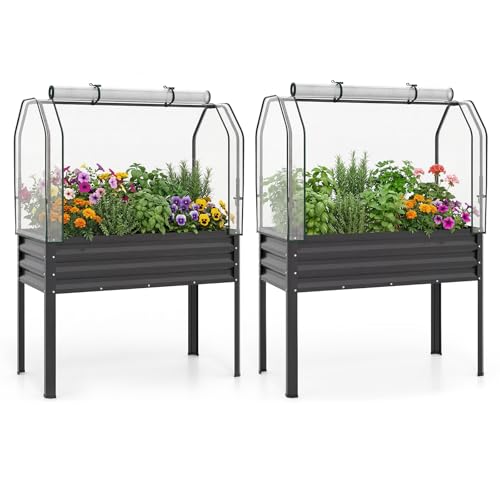
A raised garden bed with legs is a boxed planter elevated on four or more support posts. Unlike a ground-level raised bed that sits directly on soil, the leg design lifts the growing area off the ground, often to a working height between 24 and 36 inches. This makes it ideal for gardeners with limited mobility, small patios, or anyone who wants to avoid bending and kneeling.
The legs also improve air circulation around the base, which helps prevent rot and keeps soil from becoming waterlogged. Because the bed is self-contained, you control the entire growing environment, from the soil mix to the drainage. For a broader look at bed configurations, see our raised bed plans collection.
How to Choose the Right Plan for Your Space
Before cutting any lumber, decide on three key dimensions: length, width, and height. A bed that is 4 feet long and 2 feet wide is easy to reach from all sides. The height depends on how you plan to use it: a 24-inch working height suits seated gardening, while 30 to 36 inches works well for standing.
Consider the weight of the finished bed. A 4×2-foot box filled with 12 inches of soil can weigh several hundred pounds, so choose a sturdy location and use thick legs. If you want to move the bed, plan for casters from the start. For vegetable-focused builds, our raised garden bed for vegetables guide pairs well with these plans.
Materials and Tools You Will Need
Gather these materials for a standard 4×2-foot elevated bed with a 12-inch soil depth:
- Four legs: 4×4 lumber, cut to your chosen working height minus box depth
- Side panels: 2×10 or 2×12 lumber for the box walls
- Bottom support rails: 2×4 lumber
- Corner braces and galvanized screws or bolts
- Landscape fabric or hardware cloth for the bottom
- Outdoor-rated wood sealer safe for food crops
You will also need a saw, drill, level, measuring tape, and sandpaper. Choosing the right soil is just as important as the frame; our raised bed soil guide explains the best mix for drainage and fertility. A quality soil guide can help you match the mix to the crops you plan to grow.
Step-by-Step Assembly Plan
Follow this sequence to keep the frame square and sturdy:
- Cut all lumber to length and sand rough edges.
- Attach the side panels to the legs with corner braces, checking square with a level.
- Add bottom support rails across the frame to hold the soil and liner.
- Staple landscape fabric or hardware cloth to the bottom to retain soil and block weeds.
- Seal all exterior surfaces with a food-safe wood finish and let it cure fully.
- Place the bed in its final spot, fill with soil, and water thoroughly before planting.
For seed-starting and transplanting schedules, our seed starting guide pairs naturally with an elevated bed setup.
Soil, Drainage, and What to Plant
Elevated beds dry out faster than ground beds because air circulates around all sides. Use a light, well-draining mix that holds moisture without becoming soggy. A blend of topsoil, compost, and a small amount of perlite works well for most vegetables and herbs.
Shallow-rooted crops like lettuce, herbs, radishes, and strawberries thrive in a 10- to 12-inch depth. For deeper-rooted plants, increase the box depth to 14 to 18 inches. Pair the build with a reliable potting soil and potting mix for container-style planting.
Maintenance Tips for a Long-Lasting Bed
Inspect the legs and braces each season for loosening or rot. Refill soil as it settles and refresh the wood sealer every few years. Keep the area around the legs clear of debris to discourage pests. If you want to expand your garden, browse raised bed plans for complementary designs.
Frequently Asked Questions
What height should a raised garden bed with legs be?
Most gardeners prefer the top of the bed to sit between 24 and 36 inches above the ground, which reduces back strain while sitting or standing. The leg height plus the box depth determines the working height.
What is the best wood for a raised garden bed with legs?
Untreated cedar, cypress, or heat-treated pine are the best choices because they resist rot naturally and are safe for edible plants. Avoid pressure-treated wood unless it is rated for food contact.
How deep should the soil be in an elevated garden bed?
A depth of 10 to 12 inches is enough for lettuce, herbs, and shallow-rooted vegetables. For tomatoes, carrots, or peppers, aim for 14 to 18 inches of soil depth.
Can I move a raised garden bed with legs?
Yes, if you add heavy-duty casters rated for the full weight of the soil-filled bed. Otherwise, the bed becomes too heavy to relocate once filled, so place it carefully before planting.
Ready to Build Your Elevated Garden Bed?
With clear plans, the right lumber, and a well-draining soil mix, a raised garden bed with legs can transform how you garden. Start with a manageable 4×2-foot build, choose a food-safe finish, and place it where it gets the sunlight your crops need. For more design inspiration, explore our raised bed plans hub and the vegetable raised bed guide.