Raised Garden Bed for Vegetables: The Complete Guide
Build a productive, low-maintenance vegetable garden with raised beds. Learn how to choose the right size, prepare the ideal soil, and plant crops that thrive.
START YOUR RAISED BEDWhat You'll Learn
Why Raised Garden Beds Are Ideal for Vegetables
A raised garden bed for vegetables solves many of the most common problems home growers face: poor native soil, drainage issues, and back-breaking weeding. By elevating the growing area, you gain full control over the soil composition, temperature, and moisture levels — three factors that directly influence vegetable yield and plant health.
Raised beds warm up faster in spring, extending your growing season by weeks. They also reduce soil compaction because you never walk on the growing area, keeping the soil loose and aerated for healthy root development. For gardeners dealing with clay-heavy or sandy ground, a raised bed is often the most practical route to a productive vegetable plot.
If your native soil is especially poor or you want a shortcut to a healthy growing medium, consider enriching it with a premium organic garden mix before planting. You can also test your soil's pH and nutrient levels using a reliable soil tester to make informed amendments.
Choosing the Right Raised Bed for Your Space
Before you buy or build, consider three key dimensions: height, width, and material. The right combination depends on your physical needs, available space, and the crops you plan to grow.
Height
Standard raised beds are 10 to 12 inches tall, which suits most vegetables. If you have mobility concerns or want to reduce bending, a taller bed of 18 to 24 inches is a worthwhile investment. Note that taller beds require more soil, so factor that into your budget and logistics.
Width
Keep the bed width to 4 feet or less. This allows you to reach the center from both sides without stepping into the bed — a crucial rule for preserving soil structure. Narrower beds of 2 to 3 feet work well against walls or fences.
Material
| Material | Durability | Best For |
|---|---|---|
| Cedar or cypress | 10–15 years | Natural look, rot resistance |
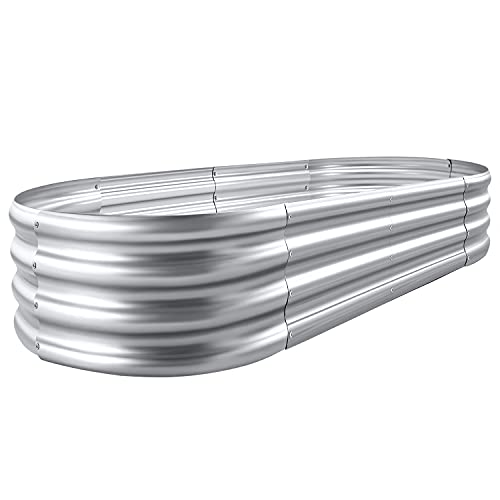
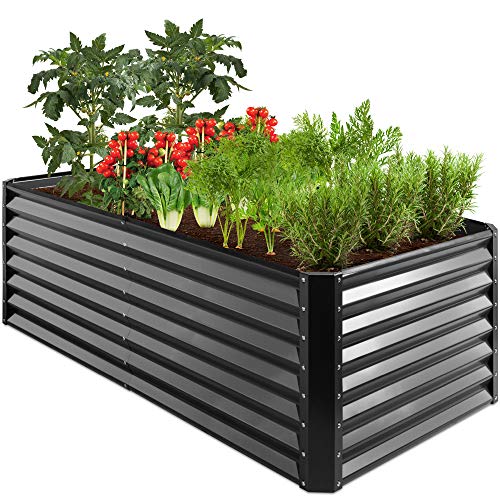
| Galvanized metal | 20+ years | Modern design, pest resistance |
| Pressure-treated lumber | 10–20 years | Budget-friendly durability |
| Composite | 15–20 years | Low maintenance, uniform appearance |
If you prefer a ready-made structure, browse our raised bed plans for designs you can adapt to your yard. For gardeners who want extra height and easier access, a raised garden bed with legs is a smart option for patios and small spaces.
How to Build and Set Up Your Raised Bed
Setting up a raised bed is straightforward. Follow these steps to get a solid foundation for your vegetable garden.
- Choose a sunny spot. Most vegetables need 6 to 8 hours of direct sunlight daily. Avoid low spots where water pools.
- Clear the area. Remove grass and weeds. You can lay down cardboard or landscape fabric to suppress regrowth.
- Level the ground. A level base prevents the frame from shifting and ensures even water distribution.
- Assemble the frame. Secure corners with galvanized brackets or screws. For pest-prone areas, staple hardware cloth to the bottom.
- Fill with soil. Use a balanced mix (see the next section) and leave a 2-inch gap below the rim for mulch and watering.
Filling Your Raised Bed with the Right Soil
Soil is the heart of any raised bed. A well-balanced mix provides nutrients, retains moisture, and drains excess water — all critical for vegetable root health. The most reliable approach is a blend of topsoil, compost, and a drainage amendment.
A common recipe is roughly 60 percent topsoil, 30 percent compost, and 10 percent perlite or coarse sand. Many gardeners simplify this by using a pre-mixed raised bed soil designed for vegetable growing. If you prefer to customize, start with a quality potting soil and potting mix base and amend with compost.
For a deeper dive into soil structure and amendments, see our soil guides. You can also test pH and nutrient levels before planting with a soil tester to fine-tune your mix.
Best Vegetables to Plant in Raised Beds
Raised beds are versatile enough for almost any vegetable, but some crops particularly benefit from the improved drainage, warmth, and loose soil.
Top Performers
- Tomatoes and peppers: Heat-loving crops that thrive in warm raised-bed soil. Use stakes or cages for support.
- Root vegetables: Carrots, radishes, and beets grow straight and uniform in loose, stone-free soil.
- Leafy greens: Lettuce, spinach, and kale are quick growers that benefit from the controlled moisture of raised beds.
- Beans and peas: Legumes fix nitrogen and improve soil health. Plant bush varieties for compact beds.
- Cucumbers and squash: Vining crops do well with a trellis at the back of the bed to save space.
Planting Layout Tips
Group crops by height — place tall plants on the north side so they don't shade shorter neighbors. Use seed starting techniques to get a head start indoors, then transplant into the bed once the risk of frost has passed. For ongoing harvests, practice succession planting every 2 to 3 weeks.
Ongoing Care and Maintenance
Raised beds require less maintenance than in-ground plots, but consistent care is key to a productive harvest.
- Watering: Raised beds drain faster than ground soil, so check moisture frequently. Drip irrigation or a rain barrel system can simplify watering.
- Mulching: A 2-inch layer of straw or shredded leaves conserves moisture and suppresses weeds.
- Weeding: Remove weeds early. For persistent problems, a targeted organic weed killer can help without harming your crops.
- Pruning: Keep plants tidy with sharp pruning shears and follow our pruning tips for healthier growth.
- Seasonal refresh: Top-dress with compost each spring to replenish nutrients and maintain soil volume.
Buying Tips: What to Look For in a Raised Bed
When shopping for a raised garden bed, prioritize these features:
- Durable material: Galvanized metal and cedar offer the best balance of longevity and safety for edible crops.
- Proper drainage: Ensure the design allows water to escape — open bottoms or drainage holes are essential.
- Safe finishes: Avoid treated wood or coatings not labeled safe for food gardens.
- Reinforced corners: Sturdy brackets prevent bowing when filled with heavy soil.
- Height that fits your needs: Choose a height that minimizes bending and suits your crops.
For a polished outdoor setup, pair your vegetable bed with complementary elements like a plant stand for seedlings or a plastic storage cabinet for tools and supplies.
Frequently Asked Questions
How deep should a raised garden bed be for vegetables?
Most vegetables thrive in a raised bed that is 10 to 12 inches deep. Shallow-rooted crops like lettuce and herbs can grow in 6 to 8 inches, while deep-rooted vegetables such as tomatoes, carrots, and potatoes benefit from 12 to 18 inches of soil depth.
What is the best soil mix for a raised vegetable bed?
A proven blend is roughly 60 percent topsoil, 30 percent compost, and 10 percent perlite or coarse sand for drainage. This combination provides nutrients, structure, and moisture retention suitable for most vegetable crops.
What vegetables grow best in raised beds?
Tomatoes, peppers, lettuce, carrots, radishes, beans, cucumbers, and squash all perform well in raised beds. The improved drainage and warm soil make raised beds ideal for root vegetables and heat-loving crops alike.
Do raised garden beds need a bottom?
A bottom is not required in most cases. Open-bottom beds allow roots to reach native soil and improve drainage. However, adding a layer of hardware cloth at the base helps deter burrowing pests like gophers and voles.
How long do raised garden beds last?
Lifespan depends on the material. Untreated cedar or cypress typically lasts 10 to 15 years, while galvanized metal beds can last 20 years or more. Pressure-treated lumber offers good durability but should be confirmed safe for edible crops by the manufacturer.