Potting Soil and Potting Mix: The Complete Guide
Everything you need to know before buying potting soil or potting mix — what the difference is, which blend suits indoor plants, containers, raised beds, and seedlings, and how to keep your growing medium healthy season after season.
Explore Recommended Potting MixesQuick answer: Potting mix is a soilless blend of peat moss or coco coir, bark, perlite, and vermiculite that drains fast and gives roots oxygen. Potting soil is a heavier product that may contain real topsoil or compost. For almost every container plant — indoors or out — a quality potting mix outperforms garden soil, while raised beds and in-ground gardens benefit from a blend designed for volume and moisture retention.
Below you'll find a full comparison, buyer guidance, and a curated selection of potting soil and potting mix options to match your growing goals.
Potting Soil vs. Potting Mix: What's the Real Difference?
Walk into any garden center and you'll see bags labeled "potting soil," "potting mix," "garden soil," and "seed starting mix." They are not interchangeable, and choosing the wrong one is one of the most common reasons container plants struggle. The terms describe different products with different structures, weights, and drainage characteristics.
Potting mix is almost always a soilless blend. Because it contains no actual dirt, it stays lightweight, resists compaction, and drains quickly. Typical ingredients include peat moss or coco coir for moisture retention, pine bark for structure, perlite for aeration, and vermiculite for water and nutrient holding. Many blends also include a wetting agent and a starter nutrient charge. This is the standard choice for containers, hanging baskets, and indoor plants.
Potting soil is a broader label. Some products are essentially potting mix with compost added; others contain real topsoil, sand, or aged manure and are noticeably heavier. Heavier blends hold moisture longer and can work well for large outdoor containers or plants that prefer consistent moisture, but they are a poor fit for indoor plants and fine-rooted seedlings because they compact and reduce oxygen around the roots.
If you are building a raised bed or filling a large planter for vegetables, look for a product explicitly formulated as raised bed soil or a garden mix. For pots and houseplants, stick with a dedicated potting mix. Our broader soil guides cover pH, structure, and amendment strategies in more depth.
Why You Should Never Use Garden Soil in Containers
Garden soil is dense and holds its shape when squeezed — exactly what you don't want inside a pot. In a container, dense soil compacts against the walls, drains poorly, and suffocates roots. It can also carry weed seeds, soil-borne pathogens, and insect eggs. The only reliable fix for a container filled with garden soil is to repot into a proper potting mix.
Key Ingredients in Quality Potting Mix
Understanding what's in the bag helps you match a product to your plants. Here are the components you'll see most often:
- Peat moss — lightweight, holds moisture and nutrients, slightly acidic. Widely used but increasingly replaced by coco coir in premium blends.
- Coco coir — a renewable peat alternative with excellent water retention and good airflow. Often preferred in high-end mixes.
- Pine bark — provides structure and slow decomposition, improving drainage over time.
- Perlite — white volcanic glass that creates air pockets; essential for drainage and root health.
- Vermiculite — holds water and nutrients; common in seed starting mixes.
- Compost — adds nutrients and beneficial microbes in some blends; too much can make a mix heavy.
- Wetting agents — help dry peat absorb water evenly instead of repelling it.
- Starter fertilizer — a light nutrient charge that lasts a few weeks after planting.
Choosing the Right Potting Mix by Use Case
There is no single "best" potting mix — the right choice depends on what you're growing and where. Use this quick-reference table to match a mix type to your situation.
| Use Case | Recommended Mix Type | Why It Works |
|---|---|---|
| Indoor houseplants | Lightweight indoor potting mix with perlite and coco coir | Fast drainage prevents root rot; low weight suits smaller pots and stands |
| Container vegetables & herbs | Rich, mid-weight potting mix with compost and slow-release nutrients | Supports heavy feeding and consistent moisture through the season |
| Seed starting | Fine, sterile seed starting mix (peat or coco + vermiculite) | Light texture lets delicate roots emerge; low nutrient level avoids burning |
| Raised beds | Raised bed soil or garden mix blended with compost | Holds moisture in volume while still draining; supports root vegetables |
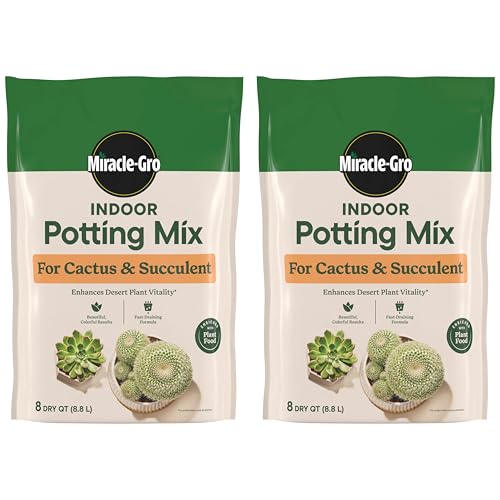
| Succulents & cacti | Gritty cactus mix with extra perlite or pumice | Extremely fast drainage prevents rot in drought-adapted plants |
| Orchids | Bark-based orchid mix | Airy structure mimics natural epiphytic growing conditions |
How to Evaluate Potting Mix Quality Before Buying
Bag design and marketing claims can be misleading. Focus on these signals instead:
- Ingredient list order. Ingredients are listed by weight. A mix that leads with peat or coco coir and includes perlite and bark is generally well-structured. If the first ingredient is "topsoil" or "compost," expect a heavier product.
- Texture in the bag. Squeeze the bag gently. A quality mix should feel loose and springy, not like a solid brick. If you can feel dense clumps, the blend is likely heavy.
- Perlite visibility. White flecks indicate aeration. A mix with almost no perlite may compact quickly in containers.
- Freshness. Bagged mixes degrade over time. Check for a recent production date where available, and avoid bags that are waterlogged or have mold growth.
- Purpose labeling. A mix formulated for indoor plants, cacti, or seed starting is more likely to be dialed in for that job than a generic "all-purpose" product.
Understanding Quality Tiers in Potting Mix
Potting mixes range from budget-friendly blends to premium artisan products. Rather than focusing on numbers, think in tiers — this classification remains useful regardless of market conditions.
Budget-Friendly Blends
Typically peat-heavy with modest perlite content. Adequate for short-season container plants and general use, but may compact faster and require more frequent fertilization. A reasonable starting point for beginners testing container gardening.
All-Purpose Potting Mixes
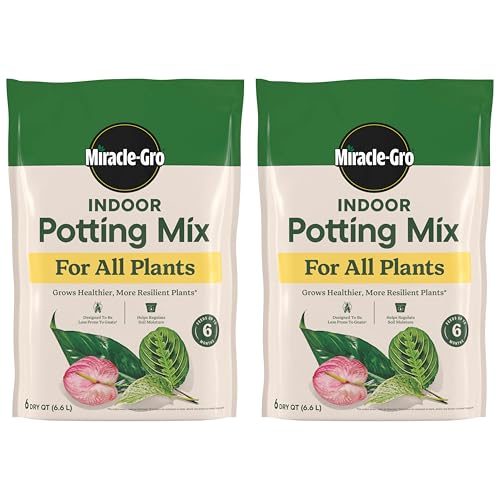
Balanced blends with peat or coco coir, bark, perlite, and a starter nutrient charge. The sweet spot for most indoor plants and container vegetables. Look for consistent texture and a clear ingredient list.
Specialty & Organic Blends
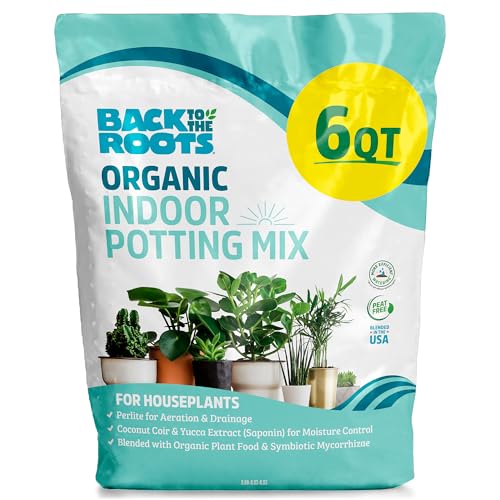
Coco coir-based, organic-certified, or species-specific mixes with excellent structure and mycorrhizae or beneficial microbes. Ideal for long-lived houseplants, demanding tropicals, and gardeners who want maximum root health.
Artisan & Boutique Mixes
Small-batch blends engineered for aroids, bonsai, orchids, or succulents, often with pumice, horticultural charcoal, and precise drainage profiles. Best for collectors and specialty plants where root health is critical.
Potting Mix for Indoor Plants
Indoor plants face low light, limited airflow, and infrequent watering — conditions that make drainage critical. A dense mix in a decorative pot without drainage holes is the single most common cause of root rot. Choose a lightweight indoor potting mix and consider adding extra perlite for plants like pothos, philodendron, and snake plants.
If you're selecting plants for low-light rooms, our guides on plants that do well with little to no light and plants that can be grown indoors without sunlight pair well with a fast-draining mix. For plants placed in bathrooms, see plants that do well in bathrooms with no light. And if clean air is a goal, browse plants that are good for the air in your home.
Repotting and Refresh Schedule
Potting mix doesn't last forever. Its structure breaks down, perlite crushes, and nutrients deplete. Refresh indoor plant mix every one to two years, and repot when you see roots circling the drainage holes or water running straight through the pot. Always use fresh mix for repotting — reusing old mix invites pests and disease.
Potting Mix for Vegetables, Herbs, and Raised Beds
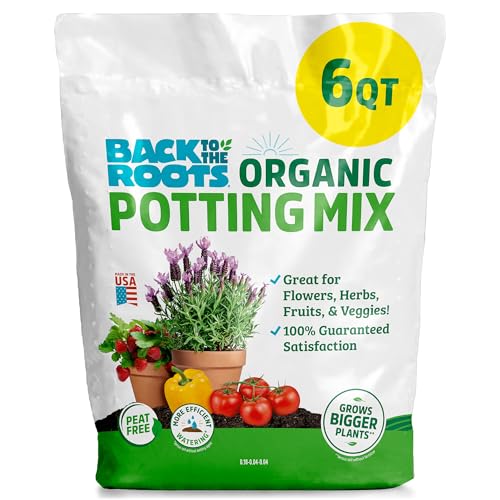
Container vegetables are heavy feeders and drink fast. They need a mix that holds moisture without staying soggy. A mid-range potting mix with compost and a slow-release fertilizer covers most needs. For tomatoes, peppers, and squash, supplement with a liquid feed every two to three weeks during peak growth.
Raised beds are a different scale. Filling a bed with bagged potting mix is expensive and often unnecessary — a blend of topsoil, compost, and a smaller proportion of potting mix gives volume and structure. See raised bed soil for ratios, and raised bed plans if you're still building. If you're considering a legless design, see plans to build a raised garden bed with legs.
For seed starting, use a dedicated fine-textured mix. Our seed starting guide covers sterilization, moisture, and transplant timing in detail.
Common Potting Mix Mistakes to Avoid
- Using garden soil in pots. It compacts, drains poorly, and can carry pests. Always use potting mix in containers.
- Skipping drainage holes. No mix can compensate for a pot with no drainage. Use containers with holes, and add a saucer or tray.
- Overwatering "just in case." Even the best mix rots roots if it stays saturated. Water when the top inch feels dry, then let it drain.
- Reusing spent mix. Old mix loses structure and may carry pests. Refresh it or compost it.
- Ignoring pH. Most potting mixes are near-neutral, but some plants (blueberries, gardenias, azaleas) need acidic conditions. Check with a soil tester if you're unsure.
Storing and Handling Potting Mix
Store leftover bags in a dry, shaded place, sealed to keep out moisture and pests. Before use, break up any clumps and moisten the mix evenly — dry peat and coco coir can repel water at first. A simple trick: add water, stir, and let the mix sit for 30 minutes before planting.
When handling large volumes, wear a mask in dusty conditions, especially with dry peat or perlite. Keep bags away from children and pets, and wash hands after use.
Frequently Asked Questions About Potting Soil and Potting Mix
What is the difference between potting soil and potting mix?
Potting soil often contains real soil or compost and is heavier, while potting mix is a soilless blend of peat moss, bark, perlite, and vermiculite designed for container drainage and aeration. Most container plants perform best in a quality potting mix.
Can I use garden soil for potted plants?
Garden soil is generally too dense for containers. It compacts, drains poorly, and may carry pests or weed seeds. Use a dedicated potting mix for pots, and reserve garden soil for in-ground beds.
How often should I replace potting mix?
Refresh potting mix every one to two years for indoor plants, and annually for heavy-feeding container vegetables. Depleted mix loses structure, aeration, and nutrients over time.
Does potting mix need fertilizer?
Many potting mixes include a starter charge of nutrients that lasts a few weeks. After that, feed regularly with a balanced fertilizer matched to your plant's needs.
Can I mix my own potting soil?
Yes. A common recipe is one part peat or coco coir, one part perlite, and one part compost or bark. Adjust ratios for drainage and moisture needs. Homemade mixes cost less but require consistent ingredient sourcing.
Is potting mix safe for vegetables and herbs?
Yes, when the product is labeled for edible plants. Avoid mixes with added herbicides or unknown compost sources. Organic-labeled potting mixes are a safer choice for edibles.
Related Gardening Guides
Continue building your gardening knowledge with these related resources:
- Indoor Plant Care — watering, light, and humidity fundamentals
- Soil Guides — pH, structure, and amendments explained
- Raised Bed Soil — how to fill a raised bed properly
- Seed Starting — the right mix and timing for seedlings
- Pruning Tips — keep container plants healthy and shaped
- Nursery Near Me — find local plant and soil sources
- Plant Store Near Me — local retail options
- Plants for Sale Near Me — buying healthy nursery stock