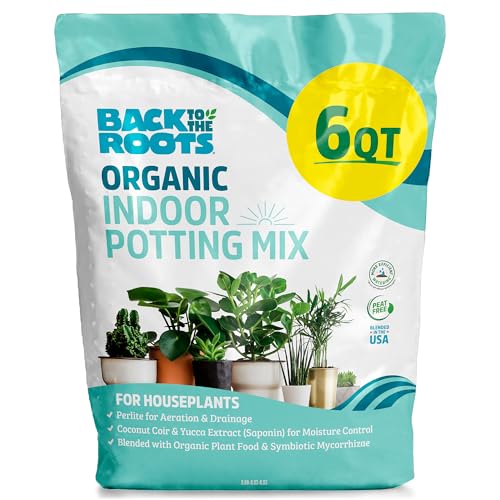
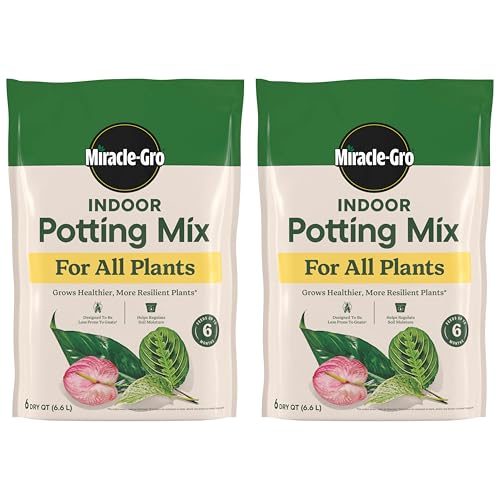
Why Fungus Gnats Appear in Indoor Potting Soil
Fungus gnats are small, dark flies that look like tiny mosquitoes. They are almost always a symptom of soil that stays consistently moist and contains plenty of decaying organic matter. The adult flies lay eggs on the soil surface, and the larvae live in the top inch or two, feeding on fungi, algae, and fine roots. In a healthy, well-aerated pot the larvae struggle to thrive, but in a dense, wet mix they reproduce quickly.
The most common entry points are new bags of potting soil that have been stored in damp conditions, reused soil from previous plants, and overwatering. Understanding this cycle is the first step toward choosing a mix that resists infestation. If you already have a gnat problem, our guide to organic potting soil for containers explains how organic matter and moisture interact with pest pressure.
What to Look for in a Gnat-Resistant Potting Mix
Not every potting soil is equally attractive to fungus gnats. The texture, drainage, and source of organic matter all matter. Use the following criteria to evaluate any bag before you buy it.
- High drainage material: Look for 30–50% perlite, pumice, or coarse bark fines. These create air pockets that dry the top layer faster between waterings.
- Low fresh compost content: Compost is excellent for garden beds but often hosts gnat larvae when used indoors. Choose blends that list sterilized compost or omit it in favor of peat, coir, or bark.
- Sealed, dry packaging: Bags that are torn, damp, or stored outdoors are far more likely to arrive with eggs already present. Inspect the seal and weight before buying.
- Soilless formulation: Seed-starting and propagation mixes are typically sterile and free of the organic matter gnats need. They are an excellent base for indoor plants when amended with perlite.
- Reputable brand with clear sourcing: Brands that sterilize or pasteurize their mixes reduce the chance of live eggs and larvae.
Pro tip: Even the best soil can attract gnats if you overwater. Always use pots with drainage holes, let the top inch of soil dry between waterings, and consider a bottom-watering routine for plants that stay consistently moist.
Types of Potting Soil That Resist Gnats
Different indoor plants need different soil textures, but the gnat-resistant principles are the same. Here is how the main categories compare.
1. Coarse, Perlite-Rich All-Purpose Mix
This is the most practical choice for most houseplants. A blend that is roughly one-third perlite, one-third peat or coir, and one-third bark or sterilized compost drains quickly and dries at the surface. The high air content makes the top layer less hospitable to gnat larvae. This type of mix works well for pothos, philodendrons, monsteras, and most tropical foliage plants.
2. Soilless Seed-Starting Mix
Soilless mixes are made from peat or coir, perlite, and sometimes vermiculite, with little to no compost. Because they contain minimal fresh organic matter, they are naturally less attractive to fungus gnats. They are ideal for starting seeds and for rooting cuttings. For long-term houseplant use, amend them with a slow-release fertilizer and additional perlite. If you are also growing edibles, our guide to potting soil for container vegetables covers the best options for food crops.
3. Cactus and Succulent Mix
These mixes are the gold standard for drainage. They are typically 50% or more perlite or pumice with a coarse mineral base. They dry out quickly, which makes them nearly gnat-proof when used correctly. Use them for succulents, cacti, snake plants, and ZZ plants. For thirsty tropicals, you can blend cactus mix with a standard indoor mix to improve drainage without going fully dry.
4. Pre-Sterilized Premium Blends
Some premium indoor potting soils are heat-treated or pasteurized before packaging. These blends cost more than entry-level bags but offer peace of mind, especially if you have had repeated gnat problems. They are a strong mid-range to high-end option for serious houseplant collectors.
Comparison: Soil Types and Gnat Resistance
| Soil Type | Drainage | Gnat Resistance | Best For |
|---|---|---|---|
| Perlite-rich all-purpose mix | High | Good | Most tropical houseplants |
| Soilless seed-starting mix | Medium–High | Very Good | Seeds, cuttings, young plants |
| Cactus and succulent mix | Very High | Excellent | Succulents, cacti, snake plants |
| Pre-sterilized premium blend | Medium–High | Excellent | Collector plants, sensitive species |
| Budget compost-heavy mix | Low | Poor | Outdoor beds only |
How to Store and Handle Potting Soil to Avoid Gnats
Even a gnat-resistant mix can become a breeding ground if it is stored incorrectly. Follow these habits to keep your soil clean between uses.
- Keep bags sealed and store them in a dry, cool place away from humidity.
- Never leave opened bags outdoors or in a damp garage.
- Use clean containers and tools when repotting.
- Discard old soil that has hosted gnats rather than reusing it indoors.
- If you must reuse soil, sterilize it by baking it at 180°F (82°C) for 30 minutes or by solarizing it in a sealed black bag.
For plants that need consistently moist soil, such as ferns and calatheas, consider a self-watering system or bottom watering to keep the surface dry. Our guide to the best self-watering system for potted plants covers options that reduce surface moisture and gnat pressure.
If Gnats Still Appear: A Quick Action Plan
Even with a great soil, gnats can sneak in from other plants or open windows. Act quickly with this routine:
- Stop watering for a few days to let the top inch of soil dry out.
- Use yellow sticky traps to catch adult flies and break the breeding cycle.
- Apply a biological control such as Bacillus thuringiensis israelensis (Bti) dunks or granules to kill larvae.
- Repot severely affected plants into fresh, gnat-resistant soil and clean the pot thoroughly.
- Improve airflow around the plant and avoid overcrowding pots on a single shelf.
For indoor plants that need a fresh start, our guide to the best soil for fiddle leaf fig trees in pots walks through a well-draining blend that also resists gnats. If you are repotting several plants at once, our overview of the best organic soil for raised bed vegetable gardens is useful for matching the right mix to the right plant.
Frequently Asked Questions
What causes fungus gnats in indoor plant soil?
Fungus gnats thrive in consistently moist, organic-rich potting soil. Their larvae feed on decaying organic matter, fungi, and fine roots. Overwatering, poor drainage, and bags of soil that have been stored damp are the most common triggers.
Can I sterilize potting soil to kill gnats?
Yes. Baking moist potting soil at around 180°F (82°C) for 30 minutes in a shallow pan kills most gnat eggs and larvae. However, sterilization also kills beneficial microbes, so it is best reserved for small batches or when reusing soil.
What is the best potting soil type to prevent gnats?
A coarse, well-draining mix with a high proportion of perlite, pumice, or bark fines and limited peat or compost is best. Soilless seed-starting mixes and pre-sterilized premium blends are also reliable because they contain little fresh organic matter for larvae to feed on.
How do I know if my bag of potting soil has gnats?
Inspect the bag for small winged insects hovering near the surface when opened. You can also spread a thin layer of soil on a tray, keep it moist for a few days, and watch for tiny larvae or adult flies. Buying from reputable brands with sealed packaging reduces the risk.