African Violet Potting Soil: The Key to Vibrant Blooms
Discover the perfect soil mix for African violets. Well-draining, slightly acidic, and rich in nutrients — the foundation for stunning flowers and healthy foliage.
Shop Recommended Soil MixesLet Gardening Guide You: African violets are beloved for their delicate, colorful blooms, but they are notoriously picky about their growing medium. The right African violet potting soil is not just dirt — it's a carefully balanced blend that ensures proper aeration, moisture retention, and nutrient availability. Using the wrong mix can lead to root rot, stunted growth, and a lack of flowers. In this guide, we'll break down everything you need to know to choose or create the best soil for your African violets.
Why African Violets Need Special Soil
African violets (Saintpaulia) are native to the cloud forests of East Africa, where they grow in well-drained, humus-rich soil with plenty of air pockets. Replicating this environment is essential for their health. Standard garden soil or all-purpose potting mix is too dense and retains too much water, suffocating the roots and inviting fungal diseases. Learn more about general potting soil and potting mix to understand the differences, but for African violets, the requirements are even more specific.
An ideal African violet potting mix should be:
- Well-draining: Prevents root rot by allowing excess water to flow through.
- Light and airy: Contains perlite, vermiculite, or coarse sand to ensure oxygen reaches the roots.
- Slightly acidic: A pH between 6.0 and 6.5 is optimal for nutrient uptake.
- Nutrient-retentive: Contains organic matter like peat moss or coconut coir to hold moisture and nutrients without becoming waterlogged.
If you're growing other container plants, organic potting soil for container vegetables has similar principles, but African violets require a finer, more consistent texture to thrive.
Key Ingredients of a Quality African Violet Mix
A good commercial African violet potting soil will contain a balanced blend of the following components. Understanding them helps you make an informed choice or even mix your own.
🌱 Peat Moss or Coco Coir
Retains moisture and provides organic matter. Peat moss is slightly acidic, which African violets love. Coco coir is a sustainable alternative.
🌿 Perlite
White, lightweight volcanic rock that improves drainage and aeration. Prevents soil from compacting and keeps roots healthy.
🌾 Vermiculite
Helps retain moisture and nutrients while keeping the mix fluffy. Often used in combination with perlite for a balanced texture.
🧪 Limestone (pH adjuster)
Added to balance the acidity of peat moss, ensuring the final mix is in the ideal pH range of 6.0–6.5.
When purchasing, look for a mix that contains these ingredients. Many brands also add a slow-release fertilizer to give your violets a head start. For those who prefer a DIY approach, the best potting soil for indoor plants without gnats shares similar principles of cleanliness and drainage.
Commercial Mix vs. DIY: Which Is Right for You?
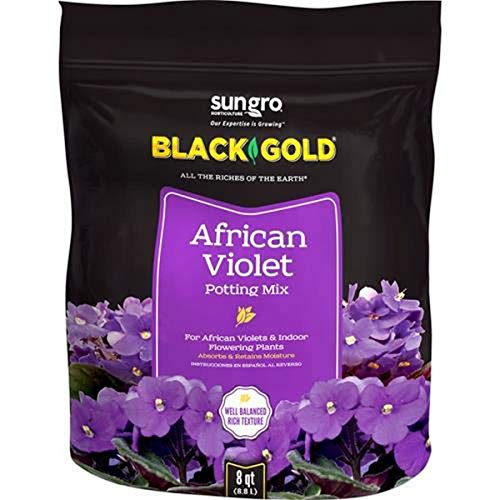
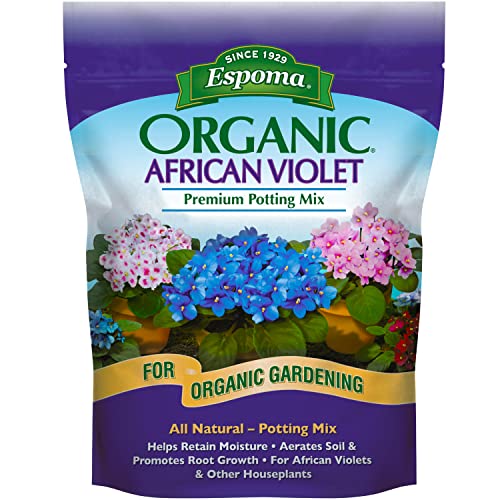
If you're new to African violets, a high-quality commercial mix is the easiest and most reliable option. Brands like Espoma, Miracle-Gro, and Black Gold offer specialized African violet potting soils that are pre-mixed and pH-balanced. They're convenient and take the guesswork out of the equation. For more indoor plant care tips, these mixes are a great starting point.
However, for the experienced grower, mixing your own allows for complete control. A classic recipe is:
- 2 parts peat moss or coco coir
- 1 part perlite
- 1 part vermiculite
Mix thoroughly, moisten slightly, and it's ready for planting. This blend provides excellent drainage and aeration. You can also add a small amount of charcoal to keep the mix fresh.
Whether you buy or DIY, remember that the soil is the foundation of your plant's health. A poor mix will lead to disappointment, while the right one can result in years of continuous blooming. Slow-release fertilizers can also be added to supplement the soil.
Signs You're Using the Wrong Soil
Your African violet will tell you if it's unhappy. Here are common symptoms of soil-related issues and how to address them:
- Yellowing leaves: Often a sign of overwatering or poor drainage. Repot in a lighter mix with more perlite.
- Root rot: Mushy, dark roots indicate the soil is too dense. Remove affected roots and replant in fresh, well-draining soil.
- No blooms: If your violet is healthy but refuses to flower, the soil may lack nutrients or be too alkaline. Check the pH and consider repotting with a fresh mix.
- Soil stays wet for days: This is a clear sign the mix is too heavy. Add perlite and vermiculite to improve aeration.
If you notice these issues, don't panic. Repotting your African violet into the correct African violet potting soil is usually the solution. It's also a great opportunity to apply similar gentle care techniques to ensure a smooth transition.
When and How to Repot African Violets
African violets prefer to be slightly pot-bound, but they should be repotted every 6–12 months to refresh the soil and prevent salt buildup. The best time to repot is in spring or after a bloom cycle. Here's a simple guide:
- Choose the right pot: Use a pot that is about 1/3 the diameter of the plant's leaf span. Too large a pot can lead to overwatering.
- Prepare the soil: Moisten the new African violet potting mix slightly so it's damp but not wet.
- Remove the plant: Gently loosen the root ball and shake off the old soil. Trim any dead or rotting roots.
- Repot: Place the violet in the new pot at the same depth as before, and fill around it with fresh soil. Tap gently to settle.
- Water lightly: Wait a few days before watering to allow any damaged roots to heal.
For more general plant care, caring for a Christmas cactus indoors has similar repotting principles, though the soil needs differ slightly.
Let Gardening Help You Bloom: The journey to a thriving African violet starts with the right soil. Whether you choose a premium commercial mix or craft your own, investing in the proper foundation is the single most important step you can take. With this knowledge, you're ready to create an environment where your African violets will flourish and reward you with spectacular blooms for years to come.