What Is The Best Way To Germinate Tomato Seeds?
Unlock the secrets to successfully germinating tomato seeds. From optimal temperature to the perfect soil mix, this comprehensive guide ensures your seedlings start strong for a bountiful harvest.
JUMP TO THE GUIDEStarting your own tomato plants from seed is incredibly rewarding and allows you to grow a wider variety of heirloom and specialty tomatoes. However, the journey from a tiny seed to a robust plant begins with one critical step: successful germination. The best way to germinate tomato seeds is a combination of using the right environment, quality seeds, and a few expert techniques. Let's dive into the process that will set you up for a season of delicious, home-grown tomatoes.
Tomato seeds are not fussy, but they do have a non-negotiable requirement: warmth. Without consistent temperatures between 70-80°F (21-27°C), your seeds will rot before they sprout. Focus on maintaining this warmth for the best results.
Step-by-Step Guide to Perfect Tomato Germination
Follow these proven steps to ensure a high germination rate and healthy seedlings.
- Choose the Right Seeds Start with high-quality seeds. Look for reputable seed companies and choose varieties suited to your climate. For the best germination, ensure your seeds are fresh, ideally from the last two years. Stored correctly, seed viability can last longer, but fresh is always best for tomatoes.
- Prepare Your Seed-Starting Mix Do not use standard garden soil. It's too heavy and can harbor diseases. Instead, opt for a fine, soilless seed-starting mix. This type of mix, like the popular potting soil and potting mix options, provides excellent drainage and aeration, which is crucial for tiny roots to develop. Moisten the mix thoroughly with water until it feels like a wrung-out sponge.
- Plant the Seeds at the Right Depth Fill your seed-starting trays or pots with the moistened mix. The general rule for planting seeds is to plant them at a depth equal to twice their width. For tiny tomato seeds, this means planting them about ¼ inch (6 mm) deep. A common mistake is planting them too deep, which can lead to failure. Gently press them into the soil and cover lightly.
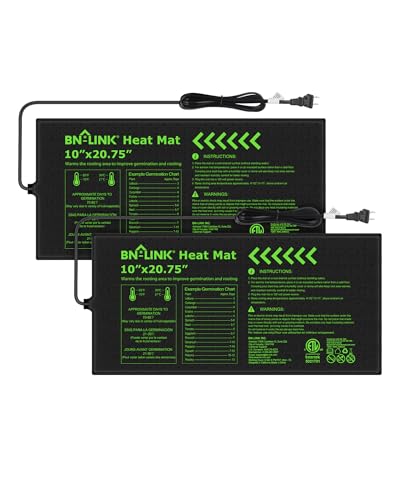
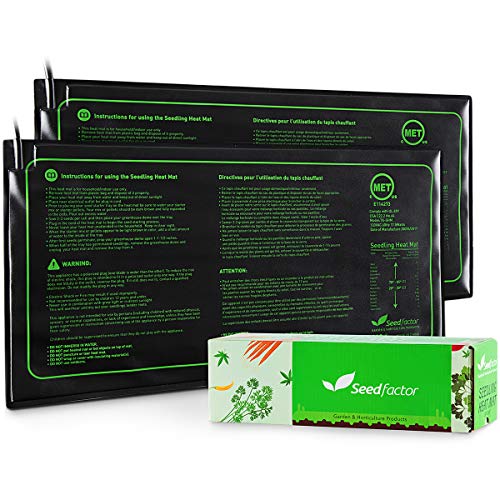
- Provide Consistent Warmth This is the most critical factor for success. Place your trays in a warm spot in your home. A heat mat designed for seed starting is the most reliable way to maintain a consistent soil temperature of 75-80°F. Avoid placing them on cold windowsills, especially at night. This step is non-negotiable for the best way to germinate tomato seeds.
- Maintain Moisture, Not Soggy Soil After planting, thoroughly mist the surface with a spray bottle. Then, cover your tray with a clear plastic dome or plastic wrap to create a mini greenhouse. This traps moisture and warmth, accelerating germination. Check daily and mist the surface if it looks dry. The key is to keep the soil consistently moist, but not waterlogged.
- Provide Bright Light Once Sprouted As soon as you see the first green sprouts (usually in 5-10 days), remove the plastic cover and move your seedlings to a very bright location. If you don't have a sunny south-facing window, consider using grow lights. This prevents them from becoming 'leggy' or weak. A simple setup, like the ones discussed in our growing plants with led lights guide, can make a huge difference.
Common Mistakes to Avoid
- Not Enough Warmth: This is the number one reason tomato seeds fail. If your house is cool, you absolutely must use a heat mat.
- Overwatering: Soggy soil leads to "damping off," a fungal disease that kills young seedlings. Let the top layer dry slightly between waterings.
- Planting Too Deeply: Seeds need light to germinate as well. A depth of ¼ inch is perfect.
- Insufficient Light: Once they sprout, seedlings need 12-16 hours of strong light. Using an organic, high-quality best fertilizer for growing tomatoes in containers can help once the first true leaves appear.
After Germination: Next Steps
Congratulations, your tomato seeds have germinated! Now it's time to focus on strong growth. When your seedlings have their first set of true leaves, you can begin fertilizing them with a diluted, balanced fertilizer. When the risk of frost has passed, it's time to transplant them into the garden or larger containers.
Remember, a healthy start is the foundation for a prolific harvest. Mastering the germination process means you'll be well on your way to enjoying ripe, juicy tomatoes from your own garden. For more advanced techniques, explore our guide on gardening tips.
For an even faster and nearly foolproof method, consider the "paper towel" method. Place seeds between two damp paper towels inside a sealed plastic bag in a warm spot (around 80°F). Check daily and plant them in soil as soon as the first root emerges. This is a favorite among expert gardeners.