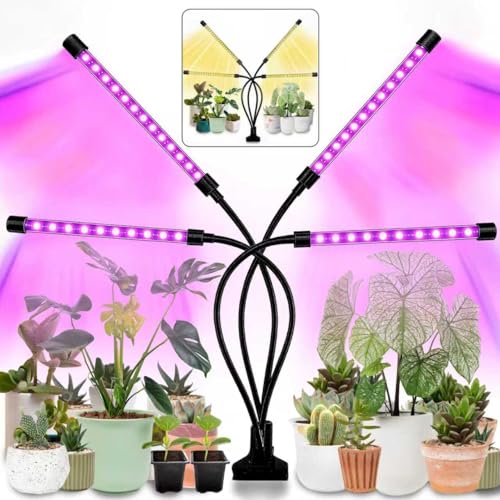
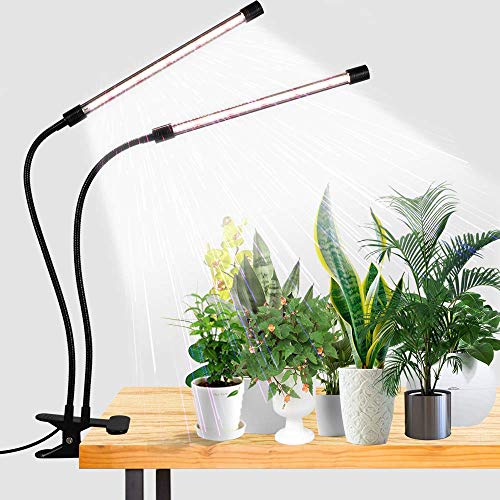
Why Choose LED Lights for Growing Plants?
LED (Light Emitting Diode) grow lights have revolutionized indoor gardening. Unlike traditional HID or fluorescent lights, LEDs are energy-efficient, produce less heat, and can be tailored to deliver specific light spectra that plants need for photosynthesis. Whether you are a beginner starting a small indoor house plants collection or a seasoned gardener, LED lights offer a sustainable and effective way to grow plants indoors.
- Energy Efficiency: LEDs consume up to 50% less electricity than traditional grow lights.
- Full Spectrum Options: Modern LEDs provide balanced light for all growth stages, from seedling to flowering.
- Low Heat Output: Place lights closer to plants without risking heat stress or burning.
- Long Lifespan: Most LED grow lights last 50,000+ hours, reducing replacement costs.
Understanding Light Spectrum for Plant Growth
Plants primarily use light in the blue (400–500 nm) and red (600–700 nm) spectrums. Blue light promotes vegetative growth and compact plants, while red light encourages flowering and fruiting. Many LED grow lights offer a full spectrum, simulating natural sunlight and supporting all growth stages. For specific needs, such as starting seeds or growing leafy greens, a blue-heavy spectrum is ideal. For flowering plants, a red-heavy spectrum is more beneficial.
| Light Spectrum | Wavelength (nm) | Effect on Plants |
|---|---|---|
| Blue (B) | 400–500 | Promotes vegetative growth, strong stems, and compact foliage |
| Red (R) | 600–700 | Stimulates flowering, fruiting, and stem elongation |
| Far-Red (FR) | 700–750 | Regulates flowering response and can promote stretching |
| Full Spectrum | 400–700+ | Balanced light for all growth stages, mimics sunlight |
Choosing the Right LED Grow Light
Selecting the best LED grow light depends on your plant types, growing area, and budget. Here are key factors to consider:
- Wattage: For small spaces (2–4 plants), 50–100 watts is sufficient. For larger setups, aim for 100–300 watts per square foot. Check the actual wattage (not equivalent) for accurate coverage.
- PPFD (Photosynthetic Photon Flux Density): This measures light intensity. Seedlings need 100–300 µmol/m²/s, while mature plants may require 500–1000+. Look for lights with dimming features to adjust intensity.
- Coverage Area: Ensure the light covers your grow area evenly. Most manufacturers specify a recommended coverage area.
- Spectrum: For most indoor gardens, a full-spectrum LED with blue, red, and white diodes is versatile and effective.
- Heat Management: Check if the light has passive or active cooling (fans) to maintain optimal temperature.
Setting Up Your LED Grow Light System
Proper setup ensures your plants thrive. Follow these steps:
- Position the Light: Hang the light 12–24 inches above the plant canopy. Adjust based on plant response—leaves curling or bleaching indicate light burn, while stretching suggests insufficient intensity.
- Set a Light Schedule: Most plants need 14–18 hours of light per day for vegetative growth and 10–12 hours for flowering. Use a timer for consistency.
- Monitor Temperature: Keep the grow area between 65–80°F. LEDs emit less heat, but good air circulation is still important.
- Adjust Spectrum: Use blue-rich light for seedlings and cuttings, and switch to red-rich or full-spectrum for mature plants.
Best Plants for LED Grow Lights
Many plants thrive under LED lighting. Here are some excellent choices:
- Leafy Greens: Lettuce, spinach, kale, and arugula—they grow quickly under blue-rich light.
- Herbs: Basil, mint, parsley, and chives—they are compact and perfect for kitchen gardens.
- Flowering Plants: Orchids, African violets, and queen of the night flower benefit from red-rich spectrum.
- Succulents: They love bright, full-spectrum light and stay compact under LEDs.
- Seedlings: Use LED lights to start tomatoes, peppers, and other garden vegetables indoors.
Common Mistakes to Avoid
Many indoor gardeners make these errors when using LED grow lights. Avoid them for healthier plants:
- Too Close or Too Far: Hanging the light too close can burn leaves, while too far causes stretching. Start at 18 inches and adjust.
- Incorrect Spectrum: Using only red or blue light can lead to deficiencies. Full-spectrum is best for balanced growth.
- Insufficient Light Duration: Most plants need at least 12 hours of light. Use a timer to avoid over- or under-lighting.
- Neglecting Watering: LED lights reduce evaporation, so plants may need less water. Always check soil moisture before watering.
Final Thought: Growing plants with LED lights is a rewarding experience that brings greenery into any space. With the right knowledge and equipment, you can enjoy fresh herbs, vibrant flowers, and lush houseplants year-round. Start your indoor garden today and watch your plants thrive under the perfect spectrum.