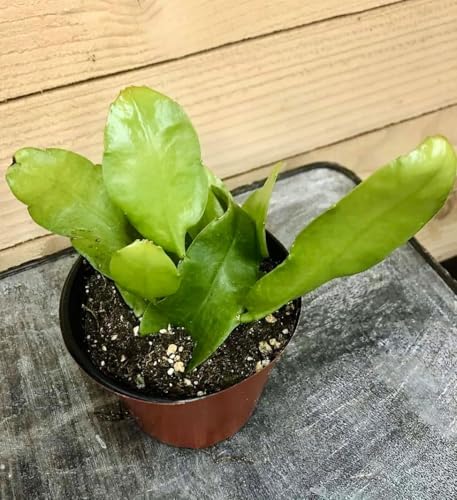
Queen of the Night Flower: Care Guide & Bloom Secrets
Discover the enchanting night-blooming cereus. Learn how to grow, nurture, and witness the spectacular bloom of this rare cactus.
Start Your JourneyThe Queen of the Night flower (Epiphyllum oxypetalum) is a captivating night-blooming cactus that rewards patient gardeners with an unforgettable floral display. Native to Central and South America, this epiphytic plant produces stunning, fragrant white flowers that open only at night and wilt by dawn. Let gardening inspire you to cultivate this botanical wonder and experience its rare beauty.
Whether you're a seasoned plant enthusiast or a curious beginner, this comprehensive guide covers everything you need to know: from proper lighting and watering to propagation and troubleshooting. Let's dive into the world of the Queen of the Night.
Quick Facts
🌙 Botanical Name
Epiphyllum oxypetalum
🌸 Bloom Time
Night, usually once a year
☀️ Light
Bright indirect light
💧 Water
Moderate; let soil dry between watering
🌡️ Temperature
60–75°F (16–24°C)
🪴 Soil
Well-draining cactus mix
Complete Care Guide
1. Light Requirements
Queen of the Night thrives in bright, indirect light. Avoid direct afternoon sun, which can scorch its leaves. An east-facing window or a spot with filtered light is ideal. If you're growing it indoors, consider supplementing with LED grow lights to ensure consistent light levels, especially during winter months.
2. Watering & Humidity
Water thoroughly when the top 1–2 inches of soil feel dry. Reduce watering in winter when the plant is dormant. This cactus prefers moderate humidity — mist occasionally or place near a humidifier. Overwatering is the most common cause of root rot, so ensure your pot has drainage holes.
3. Soil & Potting
Use a well-draining cactus or orchid mix. You can also amend regular potting soil with perlite or pumice for better aeration. Repot every 2–3 years or when the plant outgrows its container. The right soil is crucial for healthy root development and blooming.
4. Fertilizing for Blooms
Feed with a balanced, water-soluble fertilizer (e.g., 10-10-10) diluted to half strength every 4–6 weeks during the growing season (spring and summer). A slow-release fertilizer can also provide steady nutrients. Reduce feeding in fall and winter.
5. Temperature & Dormancy
Maintain temperatures between 60–75°F (16–24°C). In winter, provide a cooler period (50–60°F) to encourage blooming. Protect from drafts and sudden temperature changes.
How to Encourage Blooms
The Queen of the Night is famous for its spectacular, fragrant flowers that open only at night. To maximize blooming potential:
- Provide a winter rest: Reduce watering and keep the plant in a cooler location (50–55°F) for 6–8 weeks.
- Increase light gradually in spring to stimulate growth.
- Use a high-phosphorus fertilizer (e.g., 5-10-5) in early spring to promote flower buds.
- Don't over-prune: Flowers form on mature growth, so avoid cutting back too much.
- Be patient: Young plants may take 3–5 years to bloom.
For more tips on flowering plants, explore our guide on when to plant lavender and other seasonal blooms.
Propagation Made Easy
Propagating Queen of the Night is simple via stem cuttings:
- Take a 4–6 inch healthy stem segment.
- Allow the cut end to callous over for 2–3 days.
- Plant in well-draining cactus soil.
- Water lightly and place in bright, indirect light.
- Roots should develop in 4–6 weeks.
For more propagation techniques, see our article on plant propagation methods.
Troubleshooting Common Issues
- Yellowing leaves: Often overwatering. Allow soil to dry out more.
- No blooms: Likely insufficient light or lack of winter rest.
- Root rot: Remove affected roots, repot in fresh soil, and reduce watering.
- Pests: Mealybugs and scale can occur. Use diatomaceous earth or neem oil for treatment.
Frequently Asked Questions
How often does the Queen of the Night bloom?
Typically once a year, though mature plants can produce multiple blooms in a season.
Is the Queen of the Night poisonous?
No, it's non-toxic to pets and humans, making it a safe choice for households.
Can I grow it outdoors?
Yes, in USDA zones 10-12. In cooler climates, it's best grown indoors or in a greenhouse.
Where can I buy a Queen of the Night plant?
Check local nurseries or search online for Queen of the Night flower for sale near me.
Ready to Grow Your Own Queen of the Night?
Explore our curated selection of gardening tools and supplies to help you succeed.
Shop Now