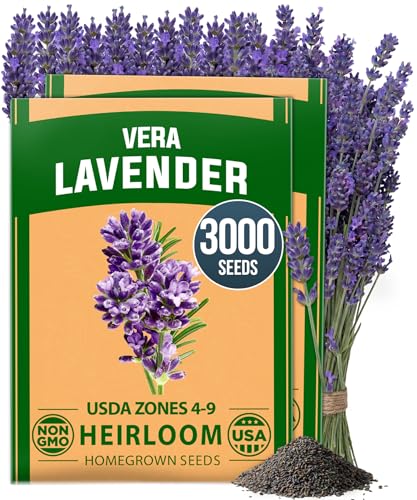
Why Planting Time Matters for Lavender Seeds
Lavender (Lavandula) is a Mediterranean herb that thrives in warm, sunny conditions. Unlike many annual flowers, lavender seeds have specific requirements for germination. They need a period of cold stratification (exposure to cold, moist conditions) to break dormancy, followed by warmth to trigger sprouting. Planting at the wrong time—too early in cold soil or too late in extreme heat—can lead to poor germination rates or seedlings that struggle to establish.
By understanding the natural lifecycle of lavender and your local climate, you can choose the best time to plant lavender seeds for your region. The ideal window balances soil temperature, day length, and moisture to give your seeds the best possible start.
When to Plant Lavender Seeds: The Short Answer
The best time to plant lavender seeds depends on your climate and whether you start them indoors or outdoors. Here's a quick summary:
- Indoor sowing: 6–10 weeks before the last expected spring frost (typically late winter to early spring).
- Outdoor sowing: After the last frost, when soil temperatures reach at least 60°F (15°C), usually in late spring to early summer.
- Fall sowing: In mild climates (USDA zones 8–10), you can sow seeds in early fall for germination in spring.
For most gardeners, late winter to early spring is the sweet spot, giving seedlings enough time to mature before the heat of summer or the cold of winter.
Seasonal Planting Guide for Lavender Seeds
Ideal for Most Climates
Start indoors 8–10 weeks before last frost. Transplant after danger of frost has passed. Soil should be warm (60°F+).
Direct Sowing
Plant outdoors in early summer (June) in cooler regions. Avoid midsummer heat; seedlings may struggle.
Mild Climates Only
Sow in early fall (September) in zones 8–10. Seeds will overwinter and germinate in spring.
Cold Stratification
Not for planting. Use this time to simulate winter by refrigerating seeds for 2–4 weeks before spring sowing.
How to Plant Lavender Seeds for Success
Follow these steps to ensure your lavender seeds germinate and grow into strong plants. Whether you're starting indoors or sowing directly in the garden, these tips will maximize your success.
Step 1: Cold Stratification (Optional but Recommended)
Lavender seeds benefit from a cold period to break dormancy. Place seeds in a damp paper towel inside a sealed bag and refrigerate for 2–4 weeks. This mimics winter conditions and can significantly improve germination rates. Skip this step if you're planting in fall or in a cold climate where natural winter will provide stratification.
Step 2: Choose Your Planting Method
- Indoor Start: Use seed-starting mix in small pots or trays. Sow seeds on the surface (they need light to germinate) and barely cover with a thin layer of vermiculite or fine soil. Keep moist and warm (65–70°F / 18–21°C).
- Direct Sowing: Prepare a sunny, well-drained bed. Scatter seeds on the surface and lightly press them into the soil. Water gently. Thin seedlings to 12–18 inches apart once they have 2–3 true leaves.
Step 3: Care for Germination
Keep the soil consistently moist but not waterlogged. Germination typically takes 14–30 days. Provide bright light (grow lights or a sunny window) for indoor seedlings. Once seedlings have 2–3 sets of leaves, they can be transplanted outdoors after hardening off.
🌿 Expert Tip: Lavender seeds are tiny and need light to germinate. Never bury them deep. A light dusting of sand or fine soil is all they need. Also, avoid overwatering—lavender is drought-tolerant and hates wet feet.
Common Mistakes When Planting Lavender Seeds
- Planting too deep: Lavender seeds need light to germinate. Burying them more than ¼ inch drastically reduces germination.
- Overwatering: While seeds need consistent moisture, soggy soil encourages damping-off disease. Use well-draining soil and water with a spray bottle.
- Skipping stratification: In warm climates, seeds may not germinate without a cold period. Always stratify for 2–4 weeks in the fridge.
- Planting too early outdoors: Cold soil (below 60°F) will delay germination and may rot seeds. Wait until the soil warms up.
- Not hardening off: Indoor-grown seedlings need a gradual transition to outdoor conditions. Expose them to sun and wind over 7–10 days before transplanting.
If you're looking for other gardening projects, check out our guide on what is the best time to plant sunflower seeds for another seasonal planting insight.
Regional Timing Adjustments
Your local climate plays a huge role in determining the best planting time. Here are general guidelines:
- Cool climates (USDA zones 3–5): Start seeds indoors 10–12 weeks before the last frost. Transplant in late spring (May–June).
- Temperate climates (USDA zones 6–7): Start indoors 8–10 weeks before last frost. Direct sow in late spring after soil warms.
- Warm climates (USDA zones 8–10): Direct sow in early spring (February–March) or fall (September–October).
- Hot climates (USDA zones 11+): Plant in fall or winter to avoid summer heat. Lavender may struggle in extreme heat, so provide afternoon shade.
For more on container gardening with lavender, you might find this helpful: what can you plant with lavender in a pot.
Indoor vs. Outdoor Sowing: Which Is Better?
Indoor sowing gives you control over temperature, moisture, and light, making it the most reliable method, especially in cooler regions. It also allows you to start earlier in the season. Use seed-starting trays, a quality potting mix, and grow lights for best results.
Outdoor direct sowing is simpler and avoids transplant shock, but it's riskier if your spring is unpredictable. Sow seeds directly in well-prepared beds after the last frost. Thin seedlings to give each plant enough room to grow.
If you're also interested in growing other herbs, consider how to trim a rose bush after it blooms to keep your garden tidy.
After Germination: Caring for Young Lavender
Once your seeds have sprouted, proper care is essential to prevent losses. Here’s what to do:
- Light: Lavender seedlings need 12–16 hours of bright light daily. If using grow lights, keep them 2–4 inches above the plants.
- Water: Water when the soil surface feels dry. Avoid overhead watering to prevent fungal issues.
- Fertilizer: Lavender is not a heavy feeder. Use a diluted, balanced fertilizer (half-strength) once a month after seedlings have 3–4 true leaves.
- Hardening off: Before transplanting, gradually acclimate seedlings to outdoor conditions over a week. Start with 1–2 hours of morning sun, increasing daily.
- Transplanting: Choose a sunny spot with well-drained, slightly alkaline soil (pH 6.5–7.5). Space plants 12–18 inches apart.
For more on garden maintenance, see our guide on how do you trim roses to keep them blooming for similar pruning principles.
FAQs About Planting Lavender Seeds
Can I plant lavender seeds in winter?
It's not recommended to plant lavender seeds outdoors in winter unless you live in a frost-free climate. Instead, use winter for cold stratification—refrigerate seeds for 2–4 weeks before spring sowing.
How long do lavender seeds take to germinate?
Under ideal conditions (warm soil, consistent moisture), lavender seeds germinate in 14–30 days. Some varieties may take up to 6 weeks.
Should I soak lavender seeds before planting?
Soaking is not necessary, but cold stratification (refrigeration) is highly recommended to break dormancy and improve germination.
Can I grow lavender from seeds year-round?
Indoors, you can start seeds at any time, but they'll need to be transplanted outdoors in the appropriate season. Outdoor planting should align with your climate's frost-free dates.
🌱 Final Thought: The best time to plant lavender seeds is when you can provide the right conditions—warm soil, plenty of light, and careful moisture management. Whether you start indoors in late winter or sow directly in spring, patience and attention to detail will reward you with a stunning, fragrant lavender garden. For those in colder regions, don't forget to when is the best time to prune rose of sharon for similar timing insights.