How to Trim a Rose Bush After It Blooms
Master the art of post-bloom pruning to keep your roses healthy, vigorous, and blooming beautifully year after year.
Trimming your rose bush after it blooms is one of the most important gardening tasks you can perform. This simple practice, known as deadheading and pruning, encourages the plant to produce more flowers, prevents disease, and maintains an attractive shape. Whether you're a beginner or an experienced gardener, understanding how to trim a rose bush after it blooms will transform your garden and give you the vibrant, healthy roses you've always wanted.
Why Trim Your Rose Bush After Blooming?
Pruning roses after they bloom isn't just about aesthetics – it's essential for the plant's health and longevity. Here's why you should make post-bloom trimming a regular part of your garden care routine:
- Encourages Reblooming: Removing spent flowers (deadheading) signals the rose to produce new buds, extending the blooming season.
- Prevents Disease: Old, dying flowers and overcrowded canes can harbor fungal diseases like black spot and powdery mildew.
- Improves Air Circulation: Thinning out the bush allows air to flow freely, reducing humidity and preventing disease.
- Shapes the Plant: Controlled pruning keeps your rose bush looking neat and prevents it from becoming leggy or overgrown.
- Directs Energy: By removing dead or weak growth, the plant channels its energy into strong canes and new blossoms.
🌹 Pro Tip: Regular trimming after each bloom cycle can increase your rose's flower production by up to 40% over the growing season.
When Is the Best Time to Trim Roses?
Timing is crucial for successful rose pruning. The best time to trim your rose bush after it blooms depends on the type of rose and your climate:
- Repeat-blooming roses (hybrid teas, floribundas, grandifloras): Trim lightly after each flush of blooms, usually every 4-6 weeks during the growing season.
- Once-blooming roses (old garden roses, climbers): Prune after their single major bloom in late spring/early summer.
- Shrub and landscape roses: Deadhead throughout the season and do major pruning in late winter or early spring.
For most gardeners, the ideal time is when the first flush of flowers begins to fade and the petals start to drop. This typically occurs in early to mid-summer, depending on your region. Learn more about the best time to prune rose bushes for your specific zone.
Essential Tools for Trimming Roses
Having the right tools makes the job easier and safer for both you and your roses. Here's what you'll need:
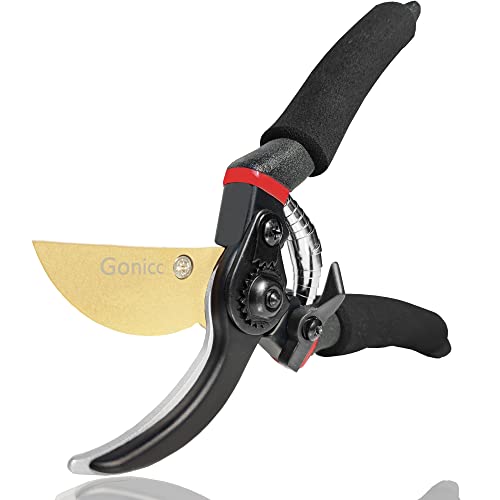
- Bypass pruners (sharp, clean)
- Loppers (for thicker canes up to 1.5 inches)
- Pruning saw (for large, woody stems)
- Thick gardening gloves (rose gloves)
- Disinfectant (70% rubbing alcohol or bleach solution)
- Basket or bucket for collecting clippings
⚠️ Important: Always clean your pruning tools before and after use. Disinfect them between plants to prevent spreading disease. Wipe blades with rubbing alcohol or dip them in a 10% bleach solution.
Step-by-Step Guide: How to Trim a Rose Bush After It Blooms
Follow these simple steps to trim your rose bush after blooming. This guide works for most rose varieties and will help you achieve beautiful results.
Assess the Plant
Look for spent blooms, dead or damaged canes, and any signs of disease. Identify the healthiest canes for shaping.
Deadhead Spent Blooms
Cut the stem just above a 5-leaflet leaf set, about ¼ inch above the outward-facing bud at a 45-degree angle.
Remove Dead & Diseased Wood
Cut away any dead, dying, or diseased canes back to healthy wood. Dispose of these clippings immediately.
Thin Out Crossing Branches
Remove any canes that cross or rub against each other. Keep the center of the bush open for good airflow.
Shape the Bush
Step back and look at the overall shape. Trim to maintain a balanced, open-centered form.
Clean Up & Feed
Collect all clippings, water deeply, and apply a balanced rose fertilizer to encourage new growth.
Deadheading vs. Pruning: What's the Difference?
Many new gardeners confuse deadheading with pruning. While both are forms of trimming, they serve different purposes:
| Deadheading | Pruning |
|---|---|
| Removes only the spent flower head | Removes entire canes or branches |
| Encourages more blooms quickly | Improves shape, health, and structure |
| Done frequently (every 1-2 weeks) | Done 2-3 times per season (plus major annual prune) |
| Uses only pruners | Uses pruners, loppers, or saws |
| Minimal cutting (1-2 inches) | More aggressive cutting (can remove up to ⅓ of plant) |
For the best results, combine both practices. Learn more about trimming roses for continuous blooming.
Common Mistakes to Avoid When Trimming Roses
- Cutting too far from the bud: Always cut ¼ inch above an outward-facing bud. Leaving too much stem leads to dieback.
- Using dull or dirty tools: This crushes the stem and can introduce disease. Keep tools sharp and sanitized.
- Over-pruning: Removing more than ⅓ of the plant at once can shock it. Take a balanced approach.
- Not removing suckers: Suckers (growth from below the graft) steal energy from the main bush.
- Pruning too late in the season: Late pruning can encourage tender growth that gets damaged by frost.
🌿 Remember: It's better to prune less and more often than to do one heavy, stressful pruning session.
Pruning Different Types of Roses
Not all roses are created equal. Here's a quick guide to pruning specific types of roses after blooming:
| Rose Type | Pruning Approach | Best Time |
|---|---|---|
| Hybrid Tea & Grandiflora | Deadhead to 3-5 leaflet leaf set; shape in early spring | After each bloom cycle |
| Floribunda & Polyantha | Deadhead entire clusters; light shaping | After each flush of blooms |
| Climbing Roses | Deadhead side shoots; prune main canes sparingly | After spring bloom |
| Shrub & Landscape Roses | Light deadheading; remove dead wood | Throughout season |
| Old Garden Roses (once-blooming) | Prune after blooming; remove old canes | Immediately after spring bloom |
How to Care for Roses After Trimming
Your roses need a little TLC after a trim to help them recover and produce new blooms. Follow these aftercare tips:
- Water deeply: Give your roses a good soak to help them recover from the stress of pruning.
- Feed with a balanced fertilizer: Use a rose-specific fertilizer with a higher phosphorus content to encourage flowering.
- Apply a thin layer of compost or mulch: This helps retain moisture and provides slow-release nutrients.
- Monitor for pests: Fresh cuts can attract insects. Check regularly and treat if necessary.
- Continue deadheading: Keep removing spent blooms to promote continuous flowering throughout the season.
With proper aftercare, your rose bush will reward you with a beautiful second flush of flowers within 4-6 weeks. Learn more about fertilizing roses and fungicide options to keep them healthy.
Frequently Asked Questions
Can I trim my rose bush in summer?
Yes! Summer trimming (deadheading) is encouraged for repeat-blooming roses. Just avoid heavy pruning during extreme heat.
How far back should I prune after blooming?
For deadheading, cut just above the first 5-leaflet leaf set. For shaping, remove up to ⅓ of the plant's height.
What if I see black spots on my roses?
Remove affected leaves immediately and use an appropriate fungicide. Ensure good airflow by proper pruning. View our fungicide recommendations.
Will trimming hurt my rose bush?
No, if done correctly, trimming is beneficial. It stimulates new growth and improves plant health. Avoid over-pruning and always use clean, sharp tools.
What should I do with the clippings?
Do not compost diseased clippings. Healthy clippings can be composted, but it's best to discard them to avoid any risk.
Ready to Transform Your Rose Garden?
Get started with the right tools and supplies. Shop our top-rated gardening essentials below.
Shop Gardening Tools Now →