Best Fungicide for Powdery Mildew on Crape Myrtle
Your crape myrtle should be covered in vibrant blooms, not a chalky white film. Discover the most effective fungicide options, how to apply them correctly, and why timing matters more than the product itself.
Quick Answer: What Works Best?
For most home gardeners dealing with powdery mildew on crape myrtle, the best approach depends on whether you are preventing the disease or treating an active infection:
- For active, visible mildew: Horticultural oil or neem oil provides the best eradicant action, smothering existing spores and stopping spread. Apply when temperatures are below 90°F.
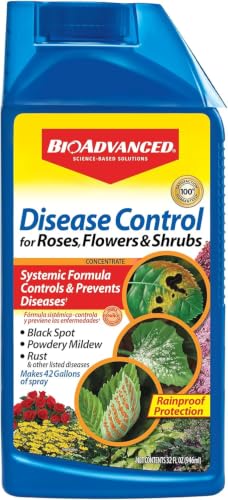
- For prevention before symptoms appear: Systemic fungicides containing myclobutanil (such as Spectracide Immunox) or propiconazole offer long-lasting protection from the inside out.
- For organic gardeners: Bacillus subtilis biofungicides or potassium bicarbonate products offer preventive control without synthetic chemicals.
No fungicide will "cure" tissue that is already distorted or buds that have already been sealed shut. The goal is to protect new growth and prevent the fungus from spreading to healthy parts of the tree.
Understanding Powdery Mildew on Crape Myrtle
Powdery mildew on crape myrtle is caused primarily by the fungus Erysiphe australiana (formerly known as Erysiphe lagerstroemiae) [citation:12][citation:13]. Unlike many fungal diseases that thrive in wet conditions, powdery mildew actually prefers warm, dry weather with high humidity at night. The spores germinate on dry leaf surfaces when nighttime humidity is high, which is why the disease often strikes during rainless summer stretches [citation:12].
The first sign is usually a white or grayish powdery coating on new leaves, shoots, and flower buds. If you rub the white spots gently with your finger and they smear like chalk dust, you are almost certainly dealing with powdery mildew [citation:1]. Infected leaves may curl, distort, or drop prematurely, and flower buds can become sealed shut, preventing the blooms that make crape myrtles so spectacular [citation:2][citation:15].
Before reaching for a spray, it helps to understand why your tree is susceptible. Crape myrtles planted in shade or crowded spots with poor air circulation are far more likely to develop mildew. Over-fertilizing with nitrogen also creates a flush of tender, succulent growth that is highly vulnerable to infection [citation:8][citation:12]. Addressing these cultural factors is just as important as any fungicide application.
Types of Fungicides for Crape Myrtle Powdery Mildew
Fungicides fall into several categories, each with distinct advantages and limitations. Understanding these differences will help you choose the right product for your situation.
Systemic Fungicides (Myclobutanil & Propiconazole)
Systemic fungicides are absorbed by the plant and move internally, providing protection that rain cannot wash away. Myclobutanil (sold under brand names like Spectracide Immunox and Ferti-lome F-Stop) and propiconazole (found in Bonide Infuse and Banner Maxx II) are the most commonly recommended active ingredients for crape myrtle powdery mildew control [citation:3][citation:5].
Best for: Preventive applications before symptoms appear, or early-stage infections. These products typically require fewer applications than contact fungicides.
Considerations: Systemic fungicides are most effective when applied preventively. They are not eradicants and will not rescue heavily infected tissue. Rotate between different active ingredients if you need repeated applications to prevent resistance [citation:3][citation:8].
Horticultural Oils & Neem Oil
Horticultural oils work by smothering fungal spores and mycelium on contact. Unlike systemic fungicides, oils can actually reduce existing infections to some degree, making them the best choice when you already see white patches on your tree [citation:1][citation:9]. Neem oil and refined petroleum-based horticultural oils are widely available and effective.
Best for: Active, visible mildew on leaves and young shoots. Also useful as a preventive when applied before symptoms appear.
Considerations: Never apply oils when temperatures exceed 90°F, as this can burn foliage [citation:4][citation:9]. Do not apply oil within two weeks of a sulfur spray, and do not spray water-stressed plants. Thorough coverage of both leaf surfaces is essential.
Biofungicides & Potassium Bicarbonate
Products containing Bacillus subtilis (such as Serenade Garden Disease Control or BioWorks Cease) use beneficial bacteria to suppress fungal pathogens. Potassium bicarbonate products (like MilStop) alter surface pH to create an inhospitable environment for mildew [citation:8][citation:14].
Best for: Organic gardeners or those who prefer to avoid synthetic chemicals. These work preventively and are most effective when applied before the disease becomes established.
Considerations: Biofungicides generally have shorter residual activity than systemics and may require more frequent applications. They are not as effective as oils for knocking down an active infection.
Timing Matters More Than the Product
Here is the most important thing to understand about fungicides and powdery mildew: fungicides work best preventively. Once the white powdery growth is visible on your crape myrtle, the fungus is already established. Spraying at that point may suppress the spread, but it will not cure the infected tissue [citation:2][citation:4].
The ideal spray schedule for crape myrtle powdery mildew looks like this:
- Early spring (bud break): Begin preventive sprays as new leaves emerge, especially if your tree has a history of mildew or is planted in a spot with less than full sun.
- During humid, rainless stretches: Powdery mildew thrives when nights are humid and days are dry. Watch the weather and spray before conditions favor an outbreak.
- Repeat every 7–14 days: Most fungicides require reapplication at 7- to 14-day intervals to protect new growth. Use the shorter interval during cool, damp weather [citation:8].
If you are already seeing significant white growth on leaves and buds, you have two options: apply a horticultural oil to knock down the active infection and protect new growth, or prune out the most heavily infected tips and dispose of them in the trash (not compost) before starting a preventive spray program [citation:1][citation:12].
Cultural Controls: The Foundation of Mildew Management
No fungicide program will succeed if the underlying conditions favor disease. Powdery mildew on crape myrtle is a symptom of a tree under stress, often from inadequate sunlight or poor airflow. Before you invest in any product, address these fundamentals:
- Sunlight: Crape myrtles need at least 6–8 hours of direct sun to thrive. Shade slows leaf drying and creates the humid microclimate that powdery mildew loves [citation:2][citation:7].
- Airflow: Thin out crowded branches and remove root suckers to allow air to move through the canopy. Avoid overcrowding with other plants [citation:1][citation:4].
- Avoid "crape murder": Heavy topping forces a flush of tender, highly susceptible new growth. Proper pruning respects the tree's natural form and reduces disease pressure [citation:12].
- Fertilize wisely: Avoid high-nitrogen fertilizers near your tree. A soil test can tell you exactly what your crape myrtle needs without pushing excessive succulent growth [citation:8].
- Sanitation: Rake up and dispose of fallen leaves, which can harbor overwintering spores. Do not compost infected material [citation:1][citation:11].
If you are selecting a new crape myrtle for your landscape, look for powdery mildew–resistant cultivars. Many of the hybrids developed by the National Arboretum—often named after Native American tribes such as 'Natchez', 'Tuscarora', 'Hopi', and 'Catawba'—show strong resistance to this disease [citation:7][citation:14].
⚠️ Safety First: Always read and follow the label directions on any fungicide product. The label is the law, and it contains critical information about application rates, safety precautions, and restrictions. Fungicides can affect pollinators and beneficial soil organisms, so use them as part of an integrated pest management approach rather than a first resort [citation:2][citation:4].
Temperature caution: Never apply horticultural oils or sulfur products when temperatures exceed 90°F. Do not apply oil within two weeks of sulfur, and vice versa [citation:9][citation:11].
Frequently Asked Questions
Can I cure powdery mildew once it appears on my crape myrtle?
You cannot "cure" tissue that is already infected or flower buds that have been sealed shut. However, you can stop the spread and protect new growth. Remove heavily infected tips, apply a horticultural oil to reduce existing spores, and begin a preventive spray program to protect the next flush of leaves and blooms.
Is neem oil effective against powdery mildew on crape myrtle?
Yes. Neem oil and other horticultural oils are among the most effective eradicant options available to home gardeners. They smother fungal spores on contact and can reduce the severity of an active infection. Apply when temperatures are below 90°F and coat both leaf surfaces thoroughly [citation:1][citation:9].
How often should I spray fungicide for powdery mildew?
Most fungicides require reapplication every 7 to 14 days to protect new growth. Use the shorter interval during cool, damp weather when disease pressure is highest. Always follow the specific interval listed on your product's label [citation:8].
Will powdery mildew kill my crape myrtle?
Powdery mildew rarely kills established crape myrtles. Its primary damage is aesthetic: distorted leaves, reduced flowering, and a chalky white appearance. However, severe and repeated infections can weaken the tree over time and make it more vulnerable to other stresses [citation:11][citation:15].
What is the best preventive fungicide for crape myrtle?
Systemic fungicides containing myclobutanil (Spectracide Immunox) or propiconazole (Bonide Infuse) are excellent choices for prevention because they are absorbed by the plant and provide longer-lasting protection. Apply before symptoms appear, starting when new growth emerges in spring [citation:3][citation:5].