How to Trim Roses to Keep Them Blooming
Master the art of rose pruning with our complete guide. Learn when to trim, how to make the right cuts, and essential techniques for a season of spectacular blooms.
Proper pruning is the secret to keeping your roses blooming beautifully all season long. While it might seem intimidating, trimming roses is one of the most rewarding garden tasks you can master. The right cuts encourage new growth, improve air circulation, and redirect the plant's energy from producing seeds to producing more flowers.
Whether you're growing hybrid teas, floribundas, climbing roses, or shrub roses, understanding how to trim roses to keep them blooming will transform your garden. This comprehensive guide covers everything from timing and tools to advanced pruning techniques that will give you larger, more abundant blooms.
Why Pruning Keeps Roses Blooming
Pruning does much more than just shape your rose bush. When you understand the biology behind it, you'll appreciate why it's essential for continuous blooming:
- Stimulates New Growth: Cutting back old canes triggers the plant to produce fresh shoots, which are where new flower buds form.
- Removes Spent Blooms: Deadheading (removing faded flowers) prevents the plant from putting energy into seed production.
- Improves Air Circulation: Thinning out crowded branches reduces the risk of fungal diseases like black spot and powdery mildew.
- Shapes the Plant: Encourages an open, vase-like structure that allows sunlight to reach all parts of the bush.
- Controls Size: Prevents roses from becoming overgrown and leggy, keeping them manageable and productive.
When Is the Best Time to Trim Roses?
Timing is critical for successful rose pruning. The ideal time depends on your climate, the type of roses you're growing, and the purpose of the pruning. Learn more about what time of the year do you prune rose bushes for optimal results.
📌 Expert Timing Tip
In most regions, the best time for major pruning is just as the buds begin to swell but before leaves appear. This is usually when the forsythia blooms in your area. Pruning when the plant is dormant or just starting to wake ensures the cuts heal quickly and the plant responds with robust spring growth.
Essential Tools for Trimming Roses
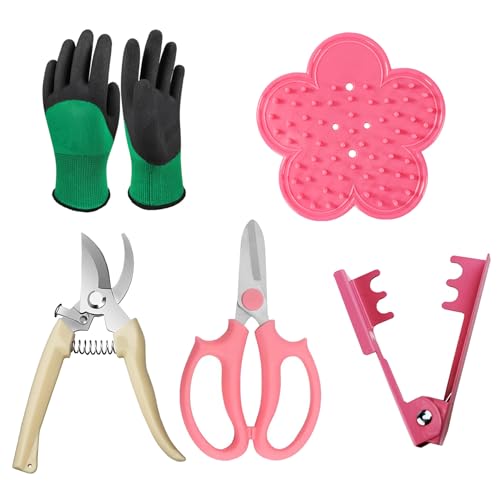
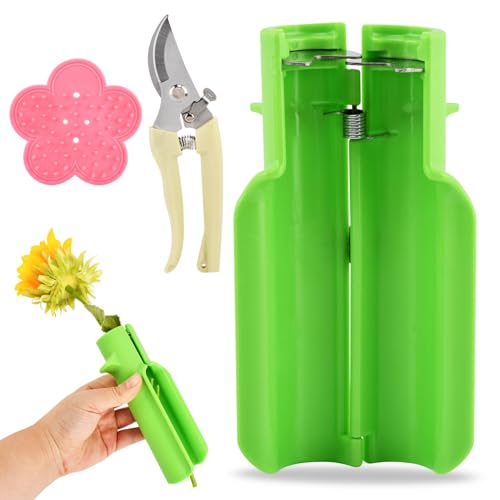
Invest in quality bypass pruners – they make clean cuts that heal quickly, unlike anvil pruners which crush stems. Keep your tools sharp and disinfect between each plant with rubbing alcohol to prevent spreading disease.
Step-by-Step Guide: How to Trim Roses for Maximum Blooming
Follow this proven method for trimming roses to keep them blooming at their best. You can also explore how to trim a rose bush after it blooms for more detailed post-bloom care.
Remove Dead, Damaged, or Diseased Wood
Start by cutting out any canes that are dead, broken, or showing signs of disease (black spots, cankers). Cut them back to healthy tissue or remove entirely. This prevents problems from spreading and opens up the plant.
Thin Out Crossing or Rubbing Canes
Remove branches that cross each other or rub together. Keep the strongest, healthiest canes spaced about 6–8 inches apart in the center. Aim for an open, vase-like shape to improve air circulation and light penetration.
Cut Back Healthy Canes by One-Third to One-Half
Make cuts about ¼ inch above an outward-facing bud. Angle the cut away from the bud so water runs off. Reducing the height encourages the plant to send energy into producing new flowering stems.
Deadhead Spent Blooms Regularly
Throughout the season, snip off faded flowers just above the first set of five leaflets. This signals the plant to produce more buds instead of seeds. For cluster-flowering roses, remove the whole cluster when blooms fade.
Summer Maintenance Pruning
In mid-summer, lightly trim long, leggy canes to control height and encourage a late-season flush of blooms. Remove any suckers growing from below the graft union.
After Pruning Care
Clean up all pruned material from around the base to prevent disease. Water deeply and apply a balanced rose fertilizer or compost to support the new growth. Mulch around the base to conserve moisture.
Deadheading: The Key to Continuous Blooms
Deadheading is arguably the most important thing you can do to keep roses blooming. When a rose flower fades, the plant naturally shifts its energy to developing seeds (rose hips). Removing spent blooms interrupts this process and forces the plant to produce more flowers.
To deadhead properly:
- Cut at a 45-degree angle, about ¼ inch above an outward-facing leaf with at least five leaflets.
- For hybrid teas, cut back to the first or second five-leaflet leaf below the flower.
- For floribundas and grandifloras, remove the entire cluster when blooms fade.
- Stop deadheading in late summer to allow hips to form and the plant to prepare for dormancy.
Pruning by Rose Type
Different roses have different pruning needs. Here's a quick guide:
- Hybrid Tea Roses: Prune hard to 3–5 strong canes, reduce height to 12–18 inches, cut back to outward-facing buds.
- Floribunda & Grandiflora: Prune moderately, reduce height by one-third, thin to 5–7 canes.
- Climbing Roses: Prune lateral shoots to 3–4 buds each, remove oldest canes every few years.
- Shrub & Landscape Roses: Light pruning, remove dead and diseased wood, shape to desired size.
- Miniature Roses: Light trimming to shape, remove spent flowers, cut back in early spring.
Common Pruning Mistakes to Avoid
- ❌ Pruning too early: Cutting before the last frost can stimulate tender new growth that dies back.
- ❌ Making flat cuts: A flat cut holds water and encourages disease. Always angle cuts away from buds.
- ❌ Cutting too close to the bud: Leaving a small stub above the bud is best; cutting too close can damage the bud.
- ❌ Using dull or dirty tools: Dull pruners crush stems, and dirty tools spread disease.
- ❌ Not pruning at all: Skipping pruning leads to fewer flowers, leggy growth, and increased disease.
- ❌ Over-pruning: Removing too much at once can stress the plant. Never remove more than one-third of the plant at a time.
Rose Care After Pruning
Pruning stresses the plant temporarily, so proper aftercare is essential:
- Water deeply to help the plant recover and stimulate new growth.
- Apply a balanced fertilizer (e.g., 10-10-10 or a rose-specific formula) about 4–6 weeks after pruning.
- Mulch with 2–3 inches of organic material to retain moisture and suppress weeds.
- Monitor for pests like aphids that may be attracted to tender new growth.
For more comprehensive rose health, check out our guide on slow-release fertilizer for flowering shrubs – many principles apply to roses as well.
Seasonal Pruning Calendar
Frequently Asked Questions
🌹 Ready to Transform Your Roses?
Get the right tools for the job. Quality pruners, protective gloves, and the best rose fertilizers make all the difference in your garden.
Shop Rose Care Essentials