How to Care for a Christmas Cactus Indoors
Master the art of growing a thriving Christmas cactus (Schlumbergera) with expert tips on watering, lighting, soil, and blooming.
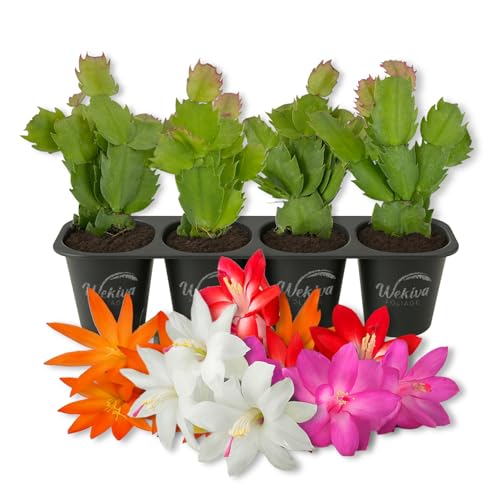
The Christmas cactus (Schlumbergera bridgesii) is a beloved houseplant that blooms during the holiday season, offering vibrant flowers in shades of pink, red, white, and purple. Unlike desert cacti, this tropical succulent requires specific care to thrive indoors. With the right conditions, your Christmas cactus can live for decades and bloom year after year.
This comprehensive guide covers everything you need to know about how do you care for a Christmas cactus indoors, from watering and lighting to soil, temperature, and troubleshooting common problems. Whether you're a beginner or an experienced plant parent, these expert tips will help your cactus flourish.
Watering Your Christmas Cactus Correctly
Watering is the most critical aspect of Christmas cactus care. Overwatering is the leading cause of root rot, while underwatering can cause wilting and bud drop. Follow these guidelines:
- Frequency: Water when the top 1–2 inches of soil feel dry to the touch. In most indoor environments, this means watering every 7–10 days during the growing season (spring–summer) and less frequently in winter.
- Method: Water thoroughly until it drains from the bottom of the pot. Never let the plant sit in standing water.
- Seasonal adjustments: Reduce watering in late fall to encourage blooming. During the resting period (after blooming), allow the soil to dry out more between waterings.
- Humidity: Christmas cacti appreciate higher humidity. Mist the plant occasionally or place it on a pebble tray with water to increase ambient moisture.
Light Requirements for Indoor Christmas Cactus
Christmas cacti are not desert plants; they thrive in bright, indirect light. Direct sunlight can scorch the leaves, while too little light will prevent blooming.
- Ideal placement: East- or north-facing windows are excellent. A spot near a south- or west-facing window with sheer curtains also works.
- Light duration: During the blooming period (fall–winter), the plant needs about 12–14 hours of darkness each night for 6–8 weeks to set buds. This mimics the shorter days of winter.
- Artificial light: If natural light is insufficient, consider using LED grow lights to supplement. Just ensure the plant still gets its dark period.
Too much light can cause the leaves to turn reddish or yellow, while too little will result in leggy growth and no flowers. Adjust placement accordingly.
Best Soil and Potting Mix
Christmas cacti need well-draining, porous soil that retains some moisture but doesn't stay waterlogged. A standard cactus mix is too dry; instead, use a blend that holds moisture without becoming soggy.
- Recommended mix: Combine 2 parts high-quality potting soil with 1 part perlite or pumice for drainage, and 1 part peat moss or coco coir for moisture retention.
- Pot type: Use a pot with drainage holes. Terracotta or unglazed clay pots help wick excess moisture, but plastic or glazed pots work if you're careful with watering.
- Repotting: Repot every 2–3 years in spring, choosing a pot only 1–2 inches larger in diameter. Overpotting can lead to overwatering issues.
Always use fresh, sterile mix when repotting to avoid introducing pests or diseases.
Temperature and Humidity Needs
Being a tropical cactus, the Christmas cactus prefers moderate temperatures and humidity. Here's what works best:
🌡️ Temperature
Daytime: 65–75°F (18–24°C)
Nighttime: 55–65°F (13–18°C)
To promote blooming: Keep the plant in a cooler spot (around 55–60°F) for 6–8 weeks in fall, and avoid drafts from heaters or air conditioners.
💨 Humidity
Christmas cacti love humidity. Ideal levels are 50–60%. Increase humidity by:
• Misting the plant weekly
• Using a pebble tray with water
• Grouping with other houseplants
• Running a humidifier nearby
Avoid sudden temperature changes, as they can cause bud drop. Keep the plant away from cold windows in winter and hot vents.
Fertilizing for Healthy Growth and Blooms
Regular feeding helps your Christmas cactus produce vibrant flowers and strong stems. Use a balanced, water-soluble fertilizer formulated for houseplants.
- Growing season (spring–summer): Fertilize every 2–4 weeks with a 20-20-20 or 10-10-10 fertilizer diluted to half strength.
- Pre-bloom (fall): Switch to a bloom-boosting fertilizer (higher phosphorus, like 10-30-20) for 4–6 weeks in early fall to encourage flower bud formation.
- Winter (during blooming): Do not fertilize during the blooming period. After the flowers fade, resume feeding in spring.
- Organic option: Compost tea or worm castings can be used for a gentle, organic feed.
Over-fertilizing can burn roots and cause salt buildup. Flush the soil occasionally with plain water to remove excess salts.
Pruning and Propagation
Pruning keeps your Christmas cactus bushy and encourages more branching. It's best done in early spring, after blooming.
- Pruning technique: Pinch or cut off a section of 2–4 stem segments. This encourages the plant to branch out from the cut point.
- Propagation: Take the pruned segments, allow them to dry for a day, then plant them in moist, well-draining soil. Keep in bright indirect light and mist regularly. Roots usually form in 3–4 weeks.
Propagating is a great way to share your plant with friends or expand your collection. For more detailed propagation advice, check out our plant propagation guide.
Troubleshooting Common Christmas Cactus Problems
Even with the best care, issues can arise. Here are the most common problems and how to fix them:
- Wilting or shriveled leaves: Usually underwatering or root rot. Check the soil. If dry, water thoroughly. If wet, repot in fresh, dry soil after trimming any rotten roots.
- Bud drop: Often caused by sudden temperature changes, drafts, overwatering, or underwatering. Keep the plant in a stable environment.
- Yellowing leaves: Can be a sign of too much direct sunlight, overwatering, or nutrient deficiency. Adjust light, watering, or fertilize as needed.
- Pests: Watch for mealybugs, spider mites, and scale. Treat with insecticidal soap or neem oil. Using food-grade diatomaceous earth can also help control pests naturally.
- No blooms: Usually due to insufficient darkness or temperature changes in fall. Ensure the plant gets 12–14 hours of darkness for 6–8 weeks in fall, and keep it in a cool spot (55–60°F).
Seasonal Care Calendar
🌱 Spring (March–May)
Increase watering and resume fertilizing every 2 weeks. Prune after blooming. Repot if needed.
☀️ Summer (June–August)
Continue regular watering and fertilizing. Provide bright, indirect light. Ensure good airflow.
🍂 Fall (September–November)
Reduce watering. Switch to bloom-boosting fertilizer. Provide 12–14 hours of darkness nightly.
❄️ Winter (December–February)
Enjoy the blooms! Water sparingly. Do not fertilize. After blooming, rest the plant.
Frequently Asked Questions
Water when the top 1–2 inches of soil are dry, typically every 7–10 days during the growing season. Reduce watering in winter and during the resting period after blooming.
Lack of blooms is usually due to insufficient darkness in fall, improper temperature, or over/underwatering. Ensure 12–14 hours of darkness for 6–8 weeks in autumn and keep temperatures around 55–60°F at night.
It can tolerate low light but won't bloom well. For best results, provide bright, indirect light. Avoid direct sunlight.
No, Christmas cacti are non-toxic to cats and dogs, making them a pet-friendly plant choice.
Provide a period of cool temperatures (55–60°F) and extended darkness (12–14 hours) for 6–8 weeks in fall. Also, ensure proper watering and use a bloom-boosting fertilizer.
Use a pot with drainage holes. Terracotta is ideal for wicking moisture, but plastic or glazed pots work if you carefully manage watering.
Yes! You can root cuttings in water, but it's often more successful to plant them directly in moist soil after allowing the cut end to callus over for a day.
With these expert care tips, your Christmas cactus will thrive indoors and reward you with stunning blooms year after year. Remember, the key to a healthy plant lies in understanding its natural habitat—a tropical forest, not a desert. By providing consistent watering, proper lighting, and a bit of seasonal attention, you can enjoy this beautiful succulent for decades.
Ready to start your indoor garden? Check out our guide to houseplants or explore where to buy plants to expand your collection. Happy gardening!