Plastic Plant Pots with Drainage Holes and Saucer: The Complete Buyer's Guide
Everything you need to know before choosing plastic plant pots with drainage holes and saucers — sizes, materials, drainage science, and expert tips for healthy, thriving plants.
Jump to Buying GuideWhy this guide matters: If you're researching plastic plant pots with drainage holes and saucers, you've likely already discovered that not all pots are created equal. The right pot protects your plant from root rot, supports healthy root development, and makes watering simpler. This guide answers the questions that matter before you buy — so you can choose confidently and give your plants the healthy start they deserve.
What You'll Learn
Why Drainage Holes and Saucers Matter for Plant Health
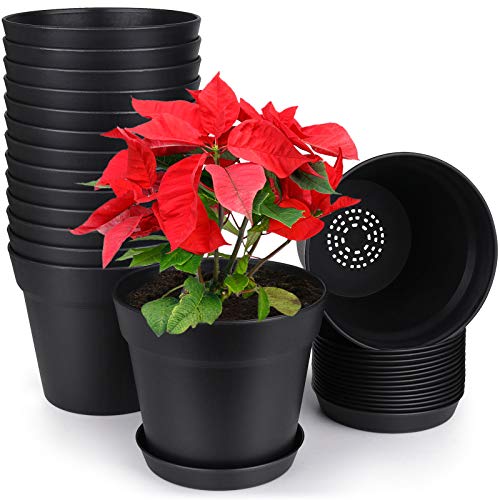
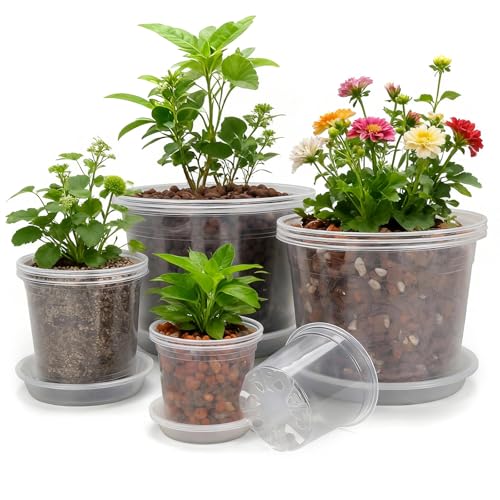
Drainage is the single most important factor in preventing root rot — the leading cause of houseplant and container plant death. When water cannot escape, it pools at the bottom of the pot, displacing oxygen in the soil and creating anaerobic conditions where harmful fungi and bacteria thrive. Roots literally drown. A plastic plant pot with properly sized drainage holes solves this by letting gravity carry excess water out of the root zone.
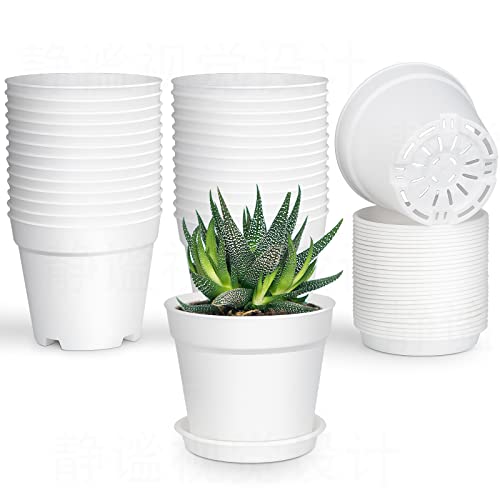
A matching saucer is equally important, but for different reasons. The saucer catches the water that drains through, protecting your floors, shelves, and patio surfaces from water damage and stains. More importantly, it gives you a visual cue: if water sits in the saucer after 30 minutes, your soil is saturated and you should pause watering until the top inch of soil dries. Saucers also add a layer of humidity around the base of the pot, which some tropical plants appreciate — but always empty standing water to avoid mosquito breeding and bacterial growth.
Prevents Root Rot
Drainage holes let excess water escape, keeping the root zone aerated and preventing the waterlogged conditions that cause rot, fungal gnats, and disease.
Protects Surfaces
A saucer catches runoff water so your furniture, windowsills, and patio stones stay dry and stain-free.
Improves Watering Accuracy
The saucer shows you when the plant has had enough water, helping you avoid both under- and over-watering over time.
Supports Strong Roots
Healthy drainage encourages roots to grow downward and outward instead of circling in stagnant, soggy soil.
If you're combining new pots with fresh growing medium, see our guide to potting soil and potting mix to pair drainage-friendly pots with the right soil structure. And for indoor setups, indoor plant care covers watering schedules and humidity that work with drained pots and saucers.
Understanding Plastic Pot Materials
Plastic pots are not a single product category. The resin type, wall thickness, UV stabilization, and molding quality vary enormously — and those differences determine how long the pot lasts, how it performs outdoors, and how it looks in your home.
Common Plastic Types
- Polypropylene (PP): The most common material for nursery and garden pots. Lightweight, flexible, and resistant to most garden chemicals. Entry-level PP pots are thin and best for short-term use; thicker PP pots with UV stabilizers last multiple seasons outdoors.
- High-Density Polyethylene (HDPE): Stiffer and more rigid than PP. Often used for premium decorative planters and large outdoor containers. Excellent crack resistance and color retention.
- Polystyrene (PS): Rigid and lightweight, often found in decorative indoor pots. More brittle than PP or HDPE and not ideal for outdoor exposure to sun and frost.
- Recycled plastics: Increasingly common in eco-conscious planters. Quality varies widely — look for consistent color and wall thickness, and check whether the pot is UV stabilized if it will live outdoors.
What to Look For in Construction
Beyond the resin type, inspect the pot's design details. A reinforced rim prevents cracking when you lift a heavy, wet pot. Raised feet or a recessed base allow air circulation under the pot and keep drainage holes from sitting flush against a saucer or shelf. Multiple drainage holes (rather than a single central hole) drain more evenly. And a saucer that locks or nests securely under the pot base prevents spills when you move the plant.
For plants that will live indoors in low-light spots, pair well-drained pots with species suited to those conditions — our guides to plants that do not need a lot of sunlight and plants that do well with little to no light are helpful starting points.
Choosing the Right Pot Size
Pot size is where many plant owners make mistakes. A pot that's too large holds more soil than the roots can use, so the excess soil stays wet far longer than the root zone needs — a recipe for rot. A pot that's too small crowds the roots, dries out too fast, and stalls growth. The reliable rule: choose a pot about 1 to 2 inches larger in diameter than the plant's current root ball, or roughly one size up from the nursery pot the plant came in.
Matching Pot Size to Plant Type
- Small houseplants and herbs: Small-diameter pots suited to compact root systems. Ideal for windowsill herbs, succulents, and starter plants.
- Medium houseplants: Mid-size pots for ferns, pothos, philodendrons, and similar foliage plants that need room to spread.
- Large floor plants: Substantial pots with reinforced walls and large saucers for monsteras, fiddle-leaf figs, palms, and indoor trees.
- Outdoor vegetables and flowers: Larger volumes with generous drainage for tomatoes, peppers, and seasonal blooms. Pair with our guide to raised garden beds for vegetables if you're planning a larger growing setup.
For plants that stay compact, our list of small plants that are easy to take care of pairs well with small drained pots. If you're growing fruit in containers, small fruit trees that can be grown in pots will help you plan pot size and root space.
Quality Tiers Explained
Plastic pots fall into recognizable quality tiers. Rather than thinking in price terms, think in terms of construction, durability, and intended lifespan. Here's how the tiers compare.
| Tier | Typical Construction | Best For | Expected Lifespan |
|---|---|---|---|
| Entry-Level | Thin walls, single drainage hole, minimal UV protection, lightweight resin | Short-term propagation, seasonal seedlings, temporary displays | One season |
| Mid-Range | Thicker walls, multiple drainage holes, UV-stabilized resin, reinforced rim | Multi-season indoor and outdoor container gardening | Two to four seasons |
| Premium | Rigid HDPE or reinforced PP, precision-molded drainage, colorfast finish, nesting saucer | Long-term patio and entryway planters, statement indoor plants | Five or more seasons |
| Top-Tier | Heavy-gauge construction, self-watering options, integrated saucer systems, fade-resistant coatings | Permanent landscaping, commercial displays, collector plants | Many seasons with care |
In practice, mid-range pots usually offer the best balance for most home gardeners: thick enough to survive outdoor sun and winter, with drainage and saucer quality that supports healthy plants. Entry-level pots are perfectly fine for seed starting and propagation, while premium and top-tier pots make sense when you want a decorative planter that will stay in place for years.
Indoor vs. Outdoor Use: What Changes
The same pot design works differently indoors and outdoors. Indoors, the priority is a secure saucer that protects surfaces and holds runoff without spilling. Choose pots with a saucer that fits snugly and consider a slightly deeper saucer for thirsty plants. Drainage holes should be small enough that soil doesn't wash out but large enough to drain freely.
Outdoors, UV exposure and temperature swings are the main stresses. Look for UV-stabilized plastic and darker colors that resist fading. Pots on patios and decks benefit from raised feet so water drains away from the base and air circulates underneath. For balcony and small-space gardeners, our guides to plant stands for indoor plants and patio conversation sets show how to integrate container plants into your outdoor living space.
When setting up outdoor containers, use a well-draining mix and consider pairing pots with mulch on the soil surface to slow evaporation. For large outdoor planters that need to be moved, look for pots with sturdy rims and consider a garden cart to transport them safely.
Cleaning and Maintaining Plastic Pots and Saucers
Plastic pots are easy to maintain, but they do accumulate soil residue, fertilizer salts, and algae over time. Before reusing a pot — especially for a new plant — clean it thoroughly to remove pathogens that could harm fresh roots.
- Wash with warm water and mild soap, scrubbing the inside walls and base with a soft brush.
- Clear drainage holes with a small tool or pipe cleaner to remove compacted soil.
- For deep cleaning, soak in a diluted bleach solution (one part bleach to nine parts water) for 30 minutes, then rinse thoroughly and dry in the sun.
- Inspect saucers for cracks; a cracked saucer leaks and defeats its purpose.
- Store clean pots stacked loosely in a dry place to prevent mold and warping.
If you're reusing pots for a new season, pair clean pots with fresh mix from our soil guides and check moisture with a soil tester before planting. For plants that need extra airflow, a plant stand lifts pots off the floor and improves circulation around the base.
Step-by-Step Buying Guide
Use this checklist to choose plastic plant pots with drainage holes and saucers that will actually serve your plants well.
- Measure the current root ball. Remove the plant from its nursery pot and measure the root mass. Choose a pot 1–2 inches larger in diameter.
- Confirm drainage hole count and size. Multiple holes drain more evenly than a single hole. Check that holes aren't so large that soil escapes.
- Match saucer width to pot base. The saucer should be at least as wide as the pot's base, ideally slightly wider, so runoff stays contained.
- Check wall thickness and rim reinforcement. A sturdy rim is essential if you'll lift the pot when it's wet and heavy.
- Verify UV stabilization for outdoor pots. Look for clear labeling; unstabilized plastic becomes brittle and fades quickly in sunlight.
- Consider base design. Raised feet or a recessed base improve airflow and prevent drainage holes from sitting flush against the saucer.
- Plan for plant growth. Choose the next size up if the plant is actively growing, and avoid oversized pots for slow growers.
- Think about aesthetics and placement. Neutral colors and clean profiles work in most interiors; darker, textured pots suit patios and entryways.
Ready to Choose Your Pots?
Browse our curated selection of plastic plant pots with drainage holes and saucers below — hand-picked for drainage quality, saucer fit, and long-term durability.
View Recommended PotsFrequently Asked Questions
Why are drainage holes important in plastic plant pots?
Drainage holes allow excess water to escape the soil, preventing waterlogged roots, root rot, and fungal diseases. Without drainage, water accumulates at the bottom of the pot, suffocating roots and eventually killing the plant. A saucer catches the drained water, protecting surfaces while allowing you to monitor moisture levels.
What size plastic plant pot should I choose?
Choose a pot roughly 1 to 2 inches larger in diameter than the plant's current root ball. A pot that is too large holds excess moisture and risks root rot, while a pot that is too small restricts root growth and dries out too quickly. Match pot size to the plant's mature root system and growth habit.
Are plastic plant pots with saucers suitable for indoor plants?
Yes. Plastic pots with drainage holes and matching saucers are ideal for indoor plants because the saucer catches runoff and protects furniture and floors. Choose a saucer slightly wider than the pot base so it can hold overflow water. Empty the saucer after watering to prevent standing water and mosquito breeding.
How do I clean and maintain plastic plant pots?
Wash plastic pots with warm soapy water and a soft brush to remove soil, salts, and algae. Rinse thoroughly and allow them to dry before reuse. For deep cleaning, soak pots in a diluted bleach solution (one part bleach to nine parts water) for 30 minutes, then rinse well. Inspect drainage holes for blockages and clear them with a small tool.
What is the difference between entry-level and premium plastic pots?
Entry-level plastic pots are typically thinner and lighter, suited for short-term propagation or seasonal planting. Mid-range pots offer thicker walls, UV stabilization, and better rim strength for multi-season use. Premium and top-tier plastic pots feature reinforced construction, fade resistance, self-watering designs, and precision-molded drainage systems for long-term durability.
Still deciding? Explore related guides on indoor plant care, potting soil and potting mix, and plant stands for indoor plants to complete your setup.