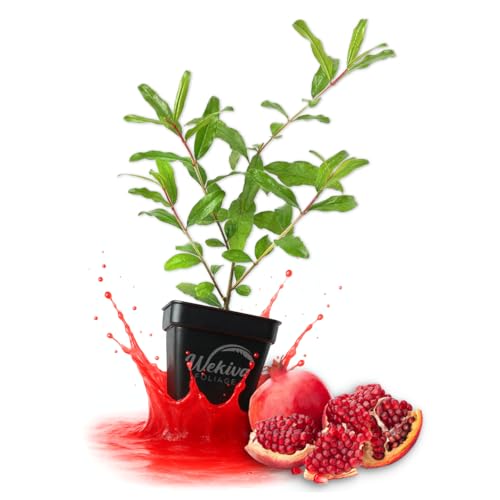
Small Fruit Trees That Can Be Grown in Pots
Discover compact, productive fruit trees perfect for patios, balconies, and small gardens. Learn which dwarf varieties thrive in containers and how to keep them healthy and fruitful.
Why grow fruit trees in pots? Not everyone has a sprawling backyard, but that shouldn't stop you from enjoying homegrown fruit. Dwarf and semi-dwarf fruit trees are specifically bred to stay compact, making them ideal for container growing. They offer the same delicious harvests as full-sized trees while fitting comfortably on a sunny patio or balcony. With the right pot, soil, and care, you can grow apples, citrus, figs, and more—even in limited spaces.
Why Growing Fruit Trees in Pots Makes Sense
Container gardening solves many common challenges. If your soil is poor, your climate is cold, or you simply lack garden space, pots give you complete control over the growing environment. You can move plants to follow the sun, protect them from frost, and tailor the soil mix to each tree's specific needs.
Dwarf fruit trees are the result of grafting a fruit-bearing scion onto a rootstock that restricts overall size. This means you get a tree that stays manageable—typically under 8 feet tall—while still producing full-sized fruit. For anyone exploring small fruit trees that can be grown in pots, the options are surprisingly diverse.
Beyond convenience, pots allow you to extend the growing season. Tender varieties like citrus and figs can be wheeled indoors or into a greenhouse during cold snaps, opening up possibilities that would be impossible in the ground.
Best Small Fruit Trees for Container Growing
Not all fruit trees adapt well to container life. The best candidates are dwarf varieties with shallow root systems, good disease resistance, and the ability to fruit at a young age. Below are the top performers, organized by ease of care.
Meyer Lemon
A compact citrus tree that rewards growers with fragrant blossoms and thin-skinned, sweet-tart lemons. Meyer lemons are self-fertile, so a single tree produces fruit on its own.
- Mature height in pot: 3–5 feet
- Sun needs: Full sun (6–8 hours)
- Best for: Sunny patios and south-facing balconies
- Notes: Bring indoors when temperatures dip below freezing. Use a well-draining citrus potting mix.
Dwarf Apple (Columnar Varieties)
Columnar apples grow straight up with very short side branches, making them perfect for tight spaces. Many varieties are self-fertile or require a partner for cross-pollination.
- Mature height in pot: 4–6 feet
- Sun needs: Full sun
- Best for: Small patios and even large balconies
- Notes: Choose a 15–20 gallon pot for mature trees. Check pollination requirements before buying.
Fig (Dwarf or Patio Varieties)
Figs respond beautifully to container growing. Their roots can be restricted to keep the tree small, which actually encourages fruiting. 'Brown Turkey' and 'Celeste' are excellent compact choices.
- Mature height in pot: 3–6 feet
- Sun needs: Full sun
- Best for: Warm, sheltered spots
- Notes: Figs can be moved indoors for winter in cold climates. Prune annually to maintain shape.
Dwarf Cherry (Container-Suitable)
Compact cherry varieties like 'Stella' (self-fertile) or 'Juliet' produce abundant fruit on small trees. They need a bit more attention to watering and feeding than apples or figs.
- Mature height in pot: 5–7 feet
- Sun needs: Full sun
- Best for: Larger patios and terraces
- Notes: Use a sturdy pot—cherries can become top-heavy. Netting may be needed to protect fruit from birds.
Dwarf Peach or Nectarine
Genetic dwarf peaches like 'Bonanza' stay naturally compact and produce full-sized, juicy fruit. They're a rewarding choice for growers who want something a little different.
- Mature height in pot: 3–5 feet
- Sun needs: Full sun
- Best for: Warm, sunny locations
- Notes: These trees are prone to peach leaf curl—choose resistant varieties and avoid overhead watering.
Dwarf Plum
Plums adapt well to pots and many dwarf varieties are self-fertile. They're less demanding than peaches and reward growers with sweet, abundant fruit.
- Mature height in pot: 4–6 feet
- Sun needs: Full sun
- Best for: Patios and small gardens
- Notes: Thin fruit in early summer to prevent branches from breaking under the weight.
Dwarf Pear
Compact pear trees produce elegant spring blossoms and sweet fruit. Most varieties need a pollination partner, so plan for two trees or choose a self-fertile variety if space allows.
- Mature height in pot: 5–7 feet
- Sun needs: Full sun
- Best for: Larger containers
- Notes: Pears prefer slightly heavier soil than other fruit trees—use a loam-based potting mix.
Other Dwarf Citrus (Lime, Kumquat, Calamondin)
Beyond lemons, many citrus varieties thrive in pots. Limes, kumquats, and calamondins are particularly well-suited to container life and reward growers with fragrant flowers and tangy fruit.
- Mature height in pot: 2–4 feet
- Sun needs: Full sun
- Best for: Sunny patios and indoor sunrooms in winter
- Notes: Citrus need consistent moisture and regular feeding with a citrus-specific fertilizer.
At-a-Glance Comparison
Use this table to quickly compare the most popular container-friendly fruit trees based on their care level and space requirements.
| Fruit Tree | Care Level | Pot Size (mature) | Pollination | Best For |
|---|---|---|---|---|
| Meyer Lemon | Beginner | 15–20 gallons | Self-fertile | Sunny patios |
| Dwarf Apple (Columnar) | Beginner | 15–20 gallons | Varies by variety | Small spaces |
| Fig (Dwarf) | Intermediate | 20–25 gallons | Self-fertile | Warm, sheltered spots |
| Dwarf Cherry | Intermediate | 20–25 gallons | Some self-fertile | Larger patios |
| Dwarf Peach/Nectarine | Intermediate | 15–20 gallons | Self-fertile | Warm, sunny spots |
| Dwarf Plum | Beginner | 15–20 gallons | Many self-fertile | Patios and small gardens |
| Dwarf Pear | Intermediate | 20–25 gallons | Needs partner | Larger containers |
| Dwarf Citrus (Lime, Kumquat) | Beginner | 10–15 gallons | Self-fertile | Sunny patios, sunrooms |
Essential Tips for Growing Fruit Trees in Pots
Getting the right tree is only half the battle. Container growing requires attention to a few key details that differ from in-ground planting.
Choose the Right Pot
Size matters. A pot that's too small will restrict growth and dry out quickly; too large and the soil may stay soggy, leading to root rot. As a rule of thumb, start with a 10–15 gallon pot for young trees and upscale as the tree grows. Ensure the pot has drainage holes—terracotta and fabric pots are excellent choices because they allow roots to breathe. For indoor or sheltered growing, consider plant stands for indoor plants to elevate pots and improve air circulation.
Use the Right Soil Mix
Fruit trees in containers need a well-draining, nutrient-rich mix. Avoid garden soil, which compacts and drains poorly in pots. Instead, use a quality potting soil and potting mix blended with perlite or pine bark for extra drainage. For citrus, look for a mix specifically formulated for citrus trees.
Water Consistently
Container trees dry out faster than in-ground plants. Check moisture daily during hot weather by sticking a finger into the top inch of soil. Water thoroughly until it runs out the drainage holes, then wait until the top inch dries out before watering again. Consistent moisture is key—fluctuating between drought and flooding stresses the tree and can cause fruit drop.
Feed Regularly
Potting soil depletes nutrients faster than garden soil. Feed your fruit tree with a balanced, slow-release fertilizer in spring and again in midsummer. Citrus and figs benefit from additional feeding during the growing season. Always follow the label directions—over-fertilizing can burn roots and harm the tree.
Prune for Shape and Size
Pruning keeps container trees manageable and encourages better fruiting. Remove dead, damaged, or crossing branches in late winter or early spring. For detailed guidance, see our pruning tips and use a sharp pair of pruning shears for clean cuts.
Protect from Pests and Weather
Container trees can be vulnerable to pests like aphids and scale. Inspect leaves regularly and treat problems early with organic methods. In cold climates, move pots to a sheltered spot or indoors before the first frost. For heat waves, provide afternoon shade and increase watering frequency.
Seasonal Care Calendar
Fruit trees in pots follow a natural rhythm. Here's what to focus on throughout the year:
Spring
- Repot if the tree has outgrown its container (do this before new growth starts).
- Apply a slow-release fertilizer as growth resumes.
- Prune dead or damaged wood and shape the canopy.
- Watch for pests as new leaves emerge.
Summer
- Water consistently—container trees dry out fast.
- Mulch the surface of the pot to retain moisture.
- Thin heavy fruit sets to prevent branch breakage.
- Protect from extreme heat with afternoon shade if needed.
Fall
- Harvest fruit as it ripens.
- Reduce watering as growth slows.
- Clean up fallen leaves and fruit to prevent disease.
- Move tender varieties indoors before frost.
Winter
- Protect pots from freezing—insulate with bubble wrap or move to a sheltered spot.
- Water sparingly but don't let soil dry out completely.
- Prune dormant trees (apples, pears, plums) in late winter.
- Plan next year's additions—browse nurseries near you for new varieties.
Common Mistakes to Avoid
- Using garden soil in pots: It compacts and drains poorly, leading to root rot.
- Overwatering: More container trees die from soggy roots than from drought. Always check soil moisture before watering.
- Skipping drainage holes: Every pot must have drainage. If your favorite pot lacks holes, drill them or use it as a cachepot.
- Ignoring pollination needs: Some fruit trees need a partner to set fruit. Check before buying, or choose self-fertile varieties.
- Letting the tree get pot-bound: Roots circling the pot restrict growth. Repot every 2–3 years or root-prune as needed.
Frequently Asked Questions
How long does it take for a potted fruit tree to produce fruit?
It depends on the variety and how old the tree was when you bought it. Dwarf trees often fruit within 2–3 years of planting, while some citrus may take 3–4 years. Buying a grafted tree that's already a couple of years old can speed up the timeline.
Can I grow fruit trees in pots indoors?
Most fruit trees need full sun and won't thrive indoors long-term. However, citrus and figs can be brought indoors for winter in cold climates, provided they receive bright light and are kept away from drafts. A sunny sunroom or greenhouse is ideal.
What size pot do I need for a dwarf fruit tree?
A 15–20 gallon pot is suitable for most mature dwarf fruit trees. Smaller citrus can thrive in 10–15 gallon pots. Start with a pot that's about twice the size of the root ball and upsize as the tree grows.
Do potted fruit trees need special fertilizer?
Yes—container trees rely entirely on you for nutrients. Use a balanced slow-release fertilizer in spring and midsummer. Citrus trees benefit from a citrus-specific fertilizer with micronutrients like iron and zinc. Avoid over-fertilizing, which can burn roots.
Can I grow fruit trees in pots on a balcony?
Absolutely. Dwarf citrus, columnar apples, and figs are excellent balcony choices. Make sure your balcony gets at least 6 hours of direct sun and that the structure can handle the weight of a large pot filled with soil. Consider wind protection for higher floors.
How often should I repot a container fruit tree?
Every 2–3 years is typical. Signs that it's time to repot include roots circling the drainage holes, slowed growth, or water running straight through the pot. Repot in early spring before new growth begins.
Final Thoughts
Growing small fruit trees in pots is one of the most rewarding ways to enjoy homegrown produce, even in limited spaces. Whether you choose a fragrant Meyer lemon, a compact columnar apple, or a productive dwarf fig, the key is matching the tree to your conditions and providing consistent care.
Start with one tree, learn its rhythms, and expand from there. Before long, you'll have a mini orchard on your patio—and the satisfaction of harvesting fruit you grew yourself. For more guidance on creating a thriving garden in any space, explore our other gardening tips and guides.