Small Area Cheap Simple Front Yard Landscaping Ideas
A compact front yard does not need a big budget to look beautiful. Discover practical, low-cost landscaping ideas that are easy to install, simple to maintain, and perfect for small spaces.
EXPLORE THE IDEAS
Why small front yards are a smart landscaping opportunity: A small area forces clarity of design. Every plant, stone, and edging choice has visible impact, which means affordable materials and a handful of well-chosen plants can completely transform curb appeal. The ideas below focus on layouts and materials that are accessible to most homeowners and forgiving for beginners.
Start With a Clear Plan for Your Small Front Yard
Before buying a single plant or bag of mulch, sketch your front yard on paper. Mark the walkway, the front door, windows, downspouts, and any existing trees or shrubs. A small area benefits from a simple, readable layout: one clear path, one focal point, and two or three plant groupings. Resist the urge to fill every gap. Open ground covered with mulch or gravel reads as intentional and calm rather than empty.
Measure the actual planting space so you can estimate how many plants and how much ground cover you need. This step alone prevents the most common budget mistake: overbuying plants that later crowd each other. If you want a more detailed starting point, our guide to simple front yard landscaping ideas with low maintenance expands on the planning process.
Choose Low-Cost Ground Covers Instead of Full Lawn
Grass is not always the cheapest or easiest option in a tiny front yard. Small lawns can be hard to mow efficiently and often struggle in shade. Replacing part of the lawn with mulch beds, gravel, or a low ground cover reduces both maintenance and long-term cost. Mulch beds around the foundation are among the most affordable landscaping upgrades available and instantly make a front yard look finished.
For areas where grass simply will not grow, consider a no-grass approach. Our article on small front yard landscaping ideas with low maintenance and no grass covers gravel, mulch, and ground cover alternatives that hold up over time.
Use Affordable Hardscaping to Define the Space
Hardscaping does not have to mean expensive pavers. In a small front yard, simple edging does most of the visual work. Options include metal landscape edging, recycled brick borders, and clean trenches between mulch and lawn. A short gravel strip along the foundation or beside the walkway adds texture without significant expense.
If your property has a slope or a retaining issue, budget-friendly solutions exist. The guide to retaining wall ideas for a sloped backyard on a budget is useful even for front yard slopes, since the same materials and techniques apply. Keep hardscape lines straight and simple in a small space; curved borders can look busy when the area is already tight.
Pick Plants That Deliver Maximum Visual Impact
In a compact front yard, a few reliable plants beat a large collection of fussy ones. Focus on structure first: one small ornamental tree or a tall evergreen shrub anchors the design. Then add mid-height perennials and a low border plant. This three-layer approach looks intentional and works with affordable, widely available plants.
For shaded front yards, choose plants that tolerate low light rather than fighting the conditions. Our lists of plants that do not need a lot of sunlight and plants that do well with little to no light are practical references for north-facing or heavily shaded front beds.
Budget tip: Buy smaller nursery plants rather than large specimen sizes. Most shrubs and perennials catch up within two to three seasons, and the savings let you plant more of them. Check local availability through nurseries near you and compare plants for sale nearby before ordering online.
Eight Practical Landscaping Ideas for Small Front Yards
1. Mulch Beds With Clean Edging
Replace bare soil with a fresh layer of mulch and define the bed with simple metal or brick edging. This is one of the most affordable ways to make a small front yard look maintained and deliberate. Refresh mulch annually to keep the color strong.
entry-level
2. A Single Focal Point Tree
One small ornamental tree gives a small yard height and character without crowding it. Compact varieties suited to pots or tight beds keep the design simple and the maintenance low. Choose a species that matches your light conditions.
mid-range
3. Gravel or River Rock Strips
A narrow band of gravel along the foundation or walkway adds texture and drainage while reducing planting area. Use landscape fabric underneath to suppress weeds. This is a durable, budget-friendly hardscape choice for tight spaces.
budget-friendly
4. Layered Foundation Planting
Combine a tall evergreen shrub, a mid-height perennial, and a low border plant in front of the house. Three layers create depth in a shallow bed and look complete with a modest number of plants.
mid-tier
5. Container Planters by the Door
Two matching planters flanking the front door frame the entry and add seasonal color without touching the ground beds. Use sturdy plastic or resin pots with drainage holes for durability and easy watering.
affordable
6. Solar Path Lighting
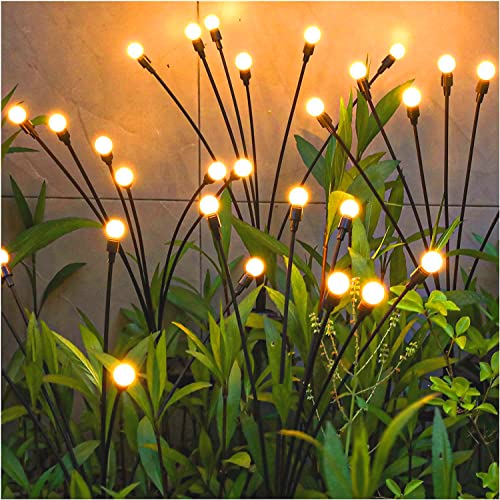
Line the walkway with solar garden lights for evening curb appeal with no wiring and no ongoing electricity cost. Space them evenly for a clean look and move them as plants grow.
budget-friendly
7. Low Ground Cover Instead of Lawn Edges
Replace awkward grass strips along walkways with a spreading ground cover. It reduces trimming work and looks tidy in narrow spaces where mowers cannot reach.
entry-level
8. Simple Shade Garden in Tight Beds
If your front yard faces north or sits under trees, lean into shade-loving plants rather than fighting the conditions. A deliberate shade garden can be lush and low maintenance. See our shade garden design ideas for layout guidance.
mid-range
Design Principles That Keep Small Front Yards Looking Good
Repetition is the most powerful tool in a small space. Repeating the same plant, the same edging, or the same pot style creates rhythm and makes a modest budget look intentional. Limit your palette to two or three plant types and one hardscape material. Contrast comes from texture rather than color variety: pair fine foliage with broad leaves, or upright plants with mounding ones.
Keep sight lines open. In a small front yard, tall dense hedges can make the entry feel closed in. Low plantings near the walkway and taller plants toward the house corners preserve a sense of space. If privacy is a concern, consider shade plants that attract hummingbirds and butterflies to add life and movement without adding bulk.
Soil Preparation Is Worth the Effort
Plants grow better and need less replacement when the soil is right. Test your soil and amend it before planting; healthy soil is the cheapest long-term investment in any landscape. Our soil testers guide explains how to check pH and drainage, and the soil guides section covers amendments for different plant types. For container plantings, use a quality potting soil and potting mix rather than garden soil.
Control Weeds Early to Protect Your Investment
Weeds steal water and nutrients from young plants and make a small yard look neglected quickly. A layer of mulch two to three inches deep suppresses most weeds. For persistent problems in beds, targeted products help; our guide to organic weed killer covers lower-impact options for family gardens.
Maintain With Simple Seasonal Routines
A small front yard rewards a short, regular maintenance routine. Prune shrubs lightly in the right season rather than heavily all at once. Our pruning tips explain timing for common landscape shrubs, and a pair of clean, sharp pruning shears handles most small-yard jobs. Water deeply and less often to encourage deep roots, and adjust watering by season rather than following a fixed schedule.
Frequently Asked Questions
What is the cheapest way to landscape a small front yard?
Start with mulch beds and simple edging, then add a few affordable shrubs and perennials in a layered arrangement. Replacing part of the lawn with mulch or gravel and using solar lighting keeps costs low while improving curb appeal noticeably.
How many plants do I need for a small front yard bed?
Measure the bed and plan for one anchor shrub per bed, a row of mid-height perennials, and a low border plant spaced according to its mature width. Fewer, well-spaced plants look better and cost less than a crowded planting.
Can I landscape a shaded small front yard affordably?
Yes. Choose plants suited to low light instead of sun-loving species that will struggle. Shade-tolerant shrubs, ferns, and ground covers are widely available and often need less watering, which reduces long-term cost.
How often should I refresh mulch in a small front yard?
Once a year is typical for most climates. A light top-up in spring restores color and keeps weed suppression effective. Avoid piling mulch against tree trunks or the house foundation.