
Retaining Wall Sloped Backyard Ideas on a Budget
Turn an awkward, unusable slope into a beautiful, functional outdoor space without draining your savings. These retaining wall ideas combine smart materials, simple techniques, and thoughtful design so you can reclaim your hillside backyard on a realistic budget.
Explore Budget-Friendly IdeasWhy a retaining wall matters on a slope: A sloped backyard looks charming until you try to walk on it, plant on it, or keep soil from washing away. A well-built retaining wall transforms that slope into terraced garden beds, flat lawn areas, or a usable patio. The good news is that you don't need an engineer's budget to make it happen. With the right material choice and a solid drainage plan, even a modest retaining wall can last for decades.
What Makes a Budget Retaining Wall Actually Work?
The secret to a budget retaining wall isn't just picking the cheapest block at the store — it's matching the material to your slope's height and soil type. A wall that fails after two seasons is never a bargain. Before you choose a design, think about three things: how tall the wall needs to be, what kind of soil sits behind it, and how water will drain. If your slope is steep or your soil is heavy clay, you'll want a more robust approach. For gentler slopes, the options open up dramatically, and you can explore a wider range of sloped yard solutions that pair retaining walls with terraces and swales.
For homeowners on a tight budget, the most reliable strategies are dry-stacked systems that don't require mortar, modular blocks that interlock without reinforcement, and timber walls for low heights. Each of these can be installed as a DIY project over a couple of weekends. If you're new to landscaping, starting with a retaining walls guide gives you a solid foundation before you dig.
Budget-Friendly Retaining Wall Design Ideas for Sloped Backyards
These ideas work best when your slope is under about four feet of elevation change. For steeper yards, combine two or more shorter walls into terraces — the "step-down" approach is both cheaper and more stable than a single tall wall.
- Terraced Garden Beds Stack two or three low walls in a stair-step pattern to create flat planting beds. This is the most cost-effective way to tame a slope because each wall stays under three feet, avoiding engineering and permit headaches.
- Dry-Stacked Block Wall Interlocking concrete blocks stack without mortar, cutting labor and material costs. The small gaps between blocks actually help with drainage, and the look stays clean for years.
- Pressure-Treated Timber Wall For slopes under two feet, timber is hard to beat on affordability. Use 4x6 or 6x6 timbers with rebar stakes and a gravel backfill. Timber weathers naturally and blends into a rustic landscape.
- Boulder or Fieldstone Wall If you have access to local stone, a boulder wall is both budget-friendly and visually striking. Stack irregular stones with a slight batter (lean-back) and pack soil between them for a natural, cottage-garden feel.
- Railroad Tie Retaining Wall Reclaimed railroad ties are a classic budget option for short walls. Be sure to source ties that are safe for garden use and avoid older creosote-treated ties near edible plants.
- Concrete Block with Capstones Standard cinder blocks are inexpensive and easy to find. Stack them dry with a gravel base, then add a simple capstone for a finished look. Paint or stucco the face for a cleaner appearance.
- Gabion Wall (Wire Cages with Stone) Gabion baskets filled with local stone are surprisingly affordable and excellent for drainage. They're especially useful on slopes where water flow is a concern, and the texture adds visual interest.
- Timber and Gravel Combo Pair low timber walls with gravel terraces to create a low-maintenance, modern look. Gravel is cheap, drains well, and eliminates the need for extensive planting or soil import.
Material Comparison: Which Option Fits Your Budget Tier?
Use this comparison to match a material to your project's height and DIY comfort level. Remember that tiers describe relative market positioning, not exact pricing — local availability and delivery costs can shift the picture.
| Material | Best For | Max DIY Height | Market Tier | Durability |
|---|---|---|---|---|
| Pressure-Treated Timber | Low slopes, garden beds | Up to 2 ft | Budget-friendly | 10–15 years |
| Dry-Stacked Concrete Block | Terraces, medium slopes | Up to 3 ft | Mid-tier | 30+ years |
| Boulder / Fieldstone | Natural look, steep spots | Up to 3 ft | Mid-range | 50+ years |
| Gabion Baskets | High-drainage areas | Up to 4 ft | Mid-priced | 25+ years |
| Railroad Ties | Rustic, low walls | Up to 2 ft | Affordable | 15–20 years |
| Poured Concrete | Tall walls, structural | Pro only | Premium / high-end | 50+ years |
Step-by-Step: Building a Budget Retaining Wall the Right Way
Whether you choose timber, block, or stone, the process follows the same core logic. Skipping steps — especially excavation and drainage — is the most common reason budget walls fail.
- Check local codes first. Most municipalities allow walls up to three or four feet tall without a permit. Confirm the limit for your area before buying materials.
- Plan the layout with stakes and string. Mark the wall's front face, add a slight batter (lean-back) of about one inch per foot of height, and mark excavation lines.
- Excavate a level trench. Dig down 6–12 inches, wider than your block or timber, and level the bottom carefully. A level base is the single biggest factor in wall longevity.
- Lay a compacted gravel base. Add 4–6 inches of crushed gravel, compact it, and check level in all directions. This base spreads the wall's weight and prevents settling.
- Add drainage behind the wall. Place a perforated drain pipe at the base, wrap it in filter fabric, and backfill with gravel. Water pressure — not the wall itself — is what destroys budget walls.
- Stack your first course carefully. Take extra time on the first layer. Every block or timber should be level, tight, and aligned. All subsequent rows follow this foundation.
- Install filter fabric and backfill. Line the back of the wall with landscape fabric to keep soil out of the gravel, then backfill with free-draining soil and gravel in alternating layers.
- Cap and finish. Add capstones, timber caps, or a finished top course. Plant behind the wall with low-maintenance perennials and mulch to hide edges and lock in moisture.
⚠️ A Critical Budget Warning
The single most expensive mistake in retaining wall projects is skipping drainage. A wall that holds back water will lean, crack, or collapse within a season or two — and repairing it costs far more than building it right the first time. Always budget for gravel, drain pipe, and filter fabric, even on the smallest wall.
Planting and Finishing Ideas That Keep Costs Low
Once the wall is built, the fun part begins. Terraced beds created by your retaining wall are perfect for low-maintenance, drought-tolerant plants that hold soil and add color. Ornamental grasses, sedums, creeping thyme, and daylilies are budget-friendly and thrive in the well-drained conditions behind a retaining wall. If your slope gets partial shade, consider shade garden design ideas that use hostas and ferns to soften the wall's hard edges.
For the top of the wall, add a simple mulch layer and a few native shrubs to reduce erosion. If you want a truly low-cost finish, let the wall's natural material take center stage — clean lines and a single accent plant often look better than an overplanted bed. For a more decorative finish, consider small solar garden lights along the terrace edges, which add evening ambiance without wiring or electrician costs.
Common Mistakes to Avoid on a Budget Build
Budget builds have less margin for error than premium ones. Here are the mistakes that most often turn a cheap wall into an expensive repair:
- Building Too Tall Without Reinforcement Any wall over three feet needs engineering. If your slope demands more height, use multiple short terraces instead of one tall wall.
- Skipping the Gravel Base Setting blocks directly on soil leads to settling and leaning within a year. Gravel is cheap insurance.
- Ignoring Water Flow Water must move through and around the wall, not into it. Add drainage and direct runoff away from the wall's base.
- Using the Wrong Soil for Backfill Heavy clay backfill traps water. Use a free-draining mix and keep the clay layer away from the wall.
- Skipping Filter Fabric Without fabric, fine soil particles clog your gravel drainage over time, defeating the entire system.
- Choosing Style Over Structure Aesthetic choices like stone veneer or decorative caps are great, but only after the base, drainage, and structural design are solid.
Keeping Your Retaining Wall in Shape for Years
A well-built budget wall needs very little maintenance. Inspect it twice a year — once in spring and once in fall — for signs of leaning, settling, or clogged drainage. Clear debris from the drain outlet, and top up mulch or gravel where it has washed away. If you notice soil accumulating against the wall face, remove it promptly; trapped moisture accelerates decay in timber and freeze-thaw damage in stone. Pruning nearby shrubs and trees regularly keeps roots from pushing into the wall and keeps airflow moving, which helps everything stay dry and stable.
If you later decide to upgrade your landscape with features like a small pond or fountain along the terrace, explore ponds and fountains that pair beautifully with sloped gardens. And if your yard also struggles with weeds in the flat areas you create, a targeted organic weed killer keeps the space clean without harming your new plantings.
Recommended Tools and Materials for Budget Retaining Wall Projects
⚠️ AFFILIATE DISCLOSURE: This website contains affiliate links. As an Amazon Associate, we earn from qualifying purchases. If you make a purchase through these links, we may receive a small commission at no additional cost to you. Read our full affiliate policy.

Grenebo Heavy Duty Gardening Tools with Handbag, Gardening Gifts for Women | Rust-Resistant Steel Garden Tool Sets for Women, Men, Durable, Ergonomic Wooden Handle, Idea for Planting Work
Check price on Amazon
Heavy Duty Gardening Tools - Gardening Gifts for Women, Men, Mom, Dad - Durable, Ergonomic Garden Tools Set (Green)
Check price on Amazon
MelonArt Garden Tool Set,10 Pcs Heavy Duty Gardening Hand Tool Kit for Women Aluminum with Non Slip Ergonomic Handle, Storage Tote Bag and Gardening Gloves, Ideal Gifts for Women and Men
Check price on Amazon
Kynup Garden Tool Set, Heavy Duty Aluminum Gardening Tools with Storage Bag | Rust Resistant Garden Essential Kit with Trowel, Shovel & Repotting Mat, Ideal Gardening Gift for Women for Outdoor Planting
Check price on Amazon
Fiskars 3-Piece Garden Hand Tools Set w/Trowel, Transplanter & Cultivator
Check price on Amazon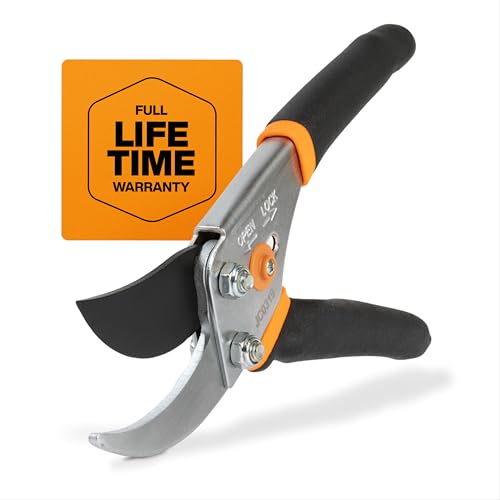
Fiskars Bypass Pruning Shears, 5/8" Cut Capacity Garden Clippers | Self-Cleaning Sap Groove Prevents Sticking, Non-Slip Grip for Cutting Stems & Branches, Steel Blades w/ Low-Friction Coating
Check price on Amazon
Garden Tools Set, 3 Pack Heavy Duty Gardening Tools Set Include Garden Shovel, Transplant Trowel and Hand Rake with Ergonomic Handle, Aluminum Alloy Lawn for Planting, Orange
Check price on Amazon
Garden Tools Set, 8 Piece, Gardening Tools Set with Storage Bag Orange | Non Slip Ergonomic Handle, Heavy Duty, Gardening Kit for Women, Gift for Women and Men
Check price on AmazonFrequently Asked Questions
What is the cheapest type of retaining wall for a sloped backyard?
Dry-stacked cinder block, pressure-treated timber, and stacked fieldstone are typically the most budget-friendly options. They require minimal excavation and can be built as a DIY project, especially for walls under three feet tall. The right choice depends on your slope's height and how much time you want to invest in the build.
How high can a DIY retaining wall be without professional help?
Most building codes allow homeowners to build retaining walls up to three to four feet tall without a permit or engineer. Anything taller than that typically requires professional design, permits, and sometimes reinforced footings. When in doubt, check with your local building department before buying materials.
Do I need drainage behind a budget retaining wall?
Yes — drainage is non-negotiable even on a budget. Gravel backfill and a perforated drain pipe behind the wall release water pressure that could otherwise cause the wall to lean or fail. Skipping drainage is the most common reason budget walls collapse within a few seasons.
Can I build a retaining wall with reclaimed materials?
Absolutely. Reclaimed railroad ties, salvaged concrete blocks, and local fieldstone can dramatically reduce material costs. Just make sure reclaimed materials are structurally sound and safe for garden use — avoid old creosote-treated ties near edible plants and check that salvaged blocks haven't been damaged by frost.
How long does a budget retaining wall last?
Timber walls typically last 10–15 years, dry-stacked block and gabion walls 25–30+ years, and stone walls 50 years or more when properly built. Durability depends far more on base preparation and drainage than on the material itself, so invest time in the foundation.