Moth Orchids: Expert Care Guide for Phalaenopsis
Moth orchids (Phalaenopsis) are stunning and surprisingly easy to care for. Discover everything you need to know to keep them healthy, happy, and blooming.
Shop Orchid Supplies →Why Moth Orchids? Phalaenopsis orchids, commonly known as moth orchids, are among the most popular indoor plants. Their long-lasting blooms, elegant form, and relatively low-maintenance care make them a favorite for both beginners and experienced plant lovers. With the right knowledge, you can enjoy their beauty for years to come.
Why You'll Love Growing Moth Orchids
🌸 Long-Lasting Blooms
Moth orchid flowers can last for 2-3 months or more. With proper care, they'll rebloom year after year, providing continuous beauty.
🌿 Low Maintenance
Phalaenopsis orchids are forgiving and adaptable. They thrive in typical home conditions and don't require daily attention.
🏡 Perfect for Indoors
They thrive in bright, indirect light and average room temperatures, making them ideal for homes, offices, and apartments.
🌱 Air Purifying
Like many houseplants, moth orchids help improve indoor air quality by filtering out toxins and releasing oxygen.
Understanding Moth Orchids (Phalaenopsis)
Phalaenopsis orchids are native to Southeast Asia and Australia. They are epiphytic, meaning they grow on trees in the wild, drawing moisture and nutrients from the air and rain. This unique growth habit influences their care requirements. They have broad, flat leaves and produce flower spikes with multiple blooms that can last for months.
If you're new to orchids, indoor plants like the moth orchid are a wonderful place to start. They are more resilient than many people think, and with a few simple care tips, they will reward you with spectacular displays.
Choosing the Right Moth Orchid
When selecting a moth orchid, look for healthy, firm leaves that are a rich green color. The roots should be plump and green or silvery-white. Avoid plants with yellowing leaves or mushy roots, as these can indicate overwatering or disease. Check for signs of pests like mealybugs or scale.
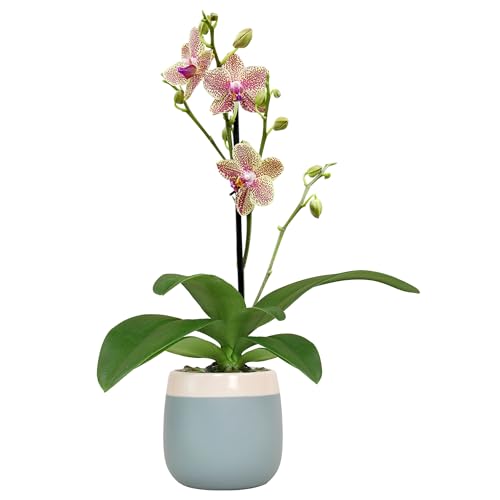
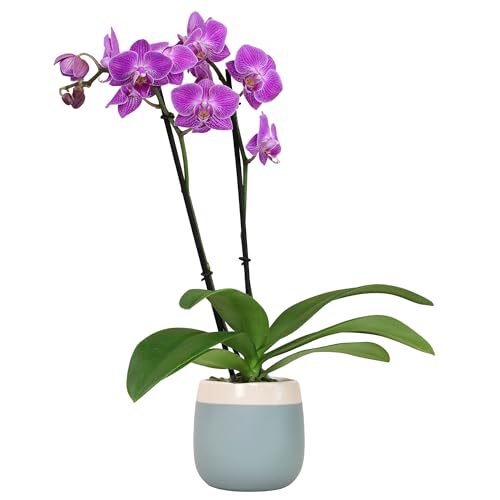
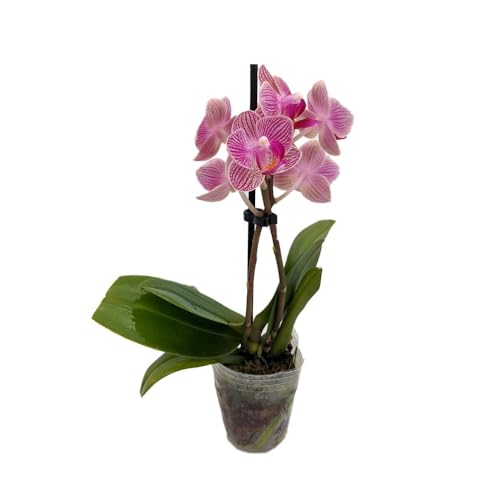
You'll find a wide variety of colors and patterns, from pure white to deep purple, and even variegated blooms. Choose the one that speaks to you!
Essential Moth Orchid Care
Here are the key factors to keep your Phalaenopsis thriving:
Light
Moth orchids prefer bright, indirect light. An east- or west-facing window is ideal. Avoid direct sunlight, which can scorch the leaves. If the leaves are dark green, your orchid may need more light. If they're yellow or reddish, it may be getting too much sun. A sheer curtain can help diffuse harsh light.
Watering
This is the most common area of confusion for orchid owners. The key is to water thoroughly but infrequently. Allow the potting medium to dry out almost completely between waterings. A good rule of thumb is to water once every 7-10 days, depending on your home's humidity and temperature.
Water your orchid by placing it under a faucet and running lukewarm water through the pot for about 30 seconds. Allow all excess water to drain completely. Never let your orchid sit in standing water, as this can lead to root rot.
| Season | Watering Frequency | Notes |
|---|---|---|
| Spring & Summer | Every 7-10 days | More frequent during active growth |
| Fall & Winter | Every 10-14 days | Reduce watering during dormancy |
| Hot or Dry Climate | Every 5-7 days | Check moisture level more frequently |
For more information on keeping your indoor plants properly hydrated, you might find our watering guide helpful.
Potting Medium
Moth orchids require a well-draining, chunky potting medium. Standard potting soil is too dense and will suffocate the roots. Use a specialized orchid mix made from fir bark, perlite, and sphagnum moss. This allows air to circulate around the roots and prevents waterlogging.
Repot your orchid every 1-2 years, or when the potting medium breaks down and becomes compacted. Spring is the best time to repot.
Fertilizing
Feed your moth orchid with a balanced, water-soluble fertilizer specifically formulated for orchids. Use a weak concentration (about half the recommended strength) every other week during the growing season (spring and summer). Reduce feeding to once a month in fall and winter. Regular feeding promotes strong growth and abundant blooms.
Humidity
Phalaenopsis orchids appreciate higher humidity levels (around 50-70%). If your home is dry, especially in winter, consider placing a humidifier nearby or setting your orchid on a humidity tray (a tray filled with pebbles and water). Misting the leaves can also help, but avoid getting water in the crown (the center of the plant) as this can cause rot.
Temperature
These orchids thrive in typical room temperatures of 65-75°F (18-24°C) during the day and slightly cooler at night. A drop in nighttime temperature (around 55-60°F) is actually beneficial for triggering blooming. Avoid placing your orchid near drafts, heating vents, or air conditioners.
Encouraging Reblooming
After the flowers have faded, you can encourage your moth orchid to rebloom. Cut the flower spike back to just above the second or third node (the small bump on the stem) from the base. This can sometimes stimulate a secondary bloom from the same spike. If the spike turns brown and dries out, remove it entirely. With proper care, your orchid should produce a new spike within a few months.
Common Problems and Solutions
- Yellowing Leaves: Could be a sign of overwatering, too much direct light, or nutrient deficiency. Check your watering schedule and light exposure.
- Root Rot: Caused by overwatering. If roots are brown and mushy, trim them off and repot in fresh, dry medium.
- No Blooms: Usually due to insufficient light or lack of temperature drop. Move to a brighter spot and ensure nighttime temperatures are cooler.
- Pests: Mealybugs and scale can be treated with insecticidal soap or neem oil. Isolate the plant to prevent spread.
Ready to Grow Beautiful Moth Orchids?
Explore our curated selection of orchids, pots, potting mixes, and care supplies. Start your orchid collection today!
Shop Orchid SuppliesFinal Thoughts: The Joy of Moth Orchids
Moth orchids are a true gift to indoor gardeners. Their elegant, long-lasting blooms and relatively simple care requirements make them a joy to grow. Whether you're a seasoned plant parent or a complete beginner, a Phalaenopsis orchid can brighten your home and bring a touch of the exotic to your everyday life.
We hope this guide has given you the confidence to care for your moth orchid. Explore the products below to find everything you need—from orchids to specialized supplies—and enjoy the beauty of these magnificent plants.