Pumpkin Seeder: The Ultimate Guide to Precision Planting
Discover the best pumpkin seeders for your garden or farm. From manual push planters to high-efficiency vacuum seeders, we compare top models to help you plant smarter, faster, and more accurately.
Shop Top Pumpkin Seeders →Why a dedicated pumpkin seeder? Pumpkins have large, irregular seeds that require precise spacing and depth for optimal germination and yield. A pumpkin seeder eliminates the guesswork of hand planting, ensuring consistent seed placement, reducing waste, and saving you hours of labor. Whether you're a small-scale organic farmer or a passionate home gardener, the right seeder transforms planting from a chore into a smooth, efficient process. Let's explore the best options available.
What to Look for in a Pumpkin Seeder
Seed Size Compatibility
Pumpkin seeds are large and flat. Ensure the seeder has interchangeable plates or adjustable mechanisms to handle seeds from ½ to 1 inch. Vacuum seeders excel with irregular shapes.
Spacing Precision
Optimal pumpkin spacing (18–36 inches) is critical for vine growth. Look for models with adjustable row spacing and depth control to match your garden layout and soil conditions.
Ease of Use
Manual push seeders are lightweight and require no power, while vacuum seeders offer speed for larger plots. Consider your physical strength and the size of your planting area.
Durability & Maintenance
Choose seeders with rust-resistant metal components or reinforced plastics. Easy-clean designs prevent clogging and ensure long-term reliability season after season.
Top Pumpkin Seeders Compared
| Model / Type | Best For | Price Range | Key Feature |
|---|---|---|---|
| EarthWay 1001-B (Manual Push) | Small gardens, raised beds | $150–$200 | Interchangeable seed plates, 6-row spacing |
| Hoss Garden Seeder (Push) | Home gardens, light commercial | $250–$350 | Heavy-duty frame, 10 seed plates included |
| Planet Jr. 200 (Push/Pull) | Small farms, diverse crops | $400–$600 | Cast iron construction, adjustable depth |
| MaterMacc 2-Row (Vacuum) | Medium to large farms | $1,500–$2,500 | Vacuum precision, 2-row planting, fast |
| Wintersteiger Mono (Vacuum) | Professional, high precision | $1,800–$2,200 | Singulation accuracy, easy calibration |
Manual vs. Vacuum Pumpkin Seeders: Which is Right for You?
🚜 Manual Push Seeders
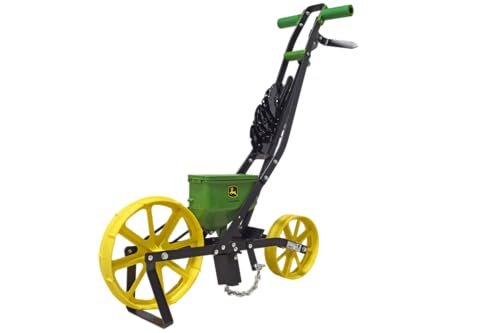
Perfect for small to medium gardens. They are affordable, lightweight, and require no fuel or batteries. You control the pace, making them ideal for uneven terrain. Most models come with multiple seed plates for various crops, including pumpkins.
- Pros: Low cost, no power needed, easy to maintain.
- Cons: Slower than vacuum models, physical effort required.
⚡ Vacuum Seeders
Designed for efficiency and precision, vacuum seeders use air pressure to pick up individual seeds and place them at exact intervals. They excel with large-scale planting and irregular seeds like pumpkins. Models range from 1-row to multi-row configurations.
- Pros: High speed, unmatched accuracy, reduces seed waste.
- Cons: Higher cost, requires power source (tractor/PTO), more complex.
How to Use a Pumpkin Seeder: Step-by-Step
Get the Most from Your Seeder
- 1. Prepare the Soil: Ensure your bed is tilled, level, and free of debris. Pumpkins thrive in well-drained soil rich in organic matter.
- 2. Select the Right Plate: Choose the seed plate designed for large, flat seeds. Test with a few seeds to ensure proper singulation.
- 3. Calibrate Depth & Spacing: Set the planting depth to 1–1.5 inches. Adjust row spacing to match your pumpkin variety (bush vs. vining).
- 4. Test Run: Push the seeder for a few feet to check seed drop and depth. Make adjustments as needed.
- 5. Plant in Straight Rows: Use a guide string or marker to keep rows straight. Maintain a steady, consistent pace.
- 6. Backfill & Water: Lightly cover seeds with soil and water gently. Mark rows for future care.
For more tips on vegetable planting, check our vegetable gardening guides.
Maintaining Your Pumpkin Seeder
- ✔ Clean after each use: Remove soil and seed residue to prevent corrosion and clogging.
- ✔ Lubricate moving parts: Apply a light machine oil to wheels, gears, and springs annually.
- ✔ Store in a dry place: Moisture is the enemy of metal components. Store in a shed or garage.
- ✔ Inspect seed plates: Check for wear or damage. Replace if seeds are not dropping uniformly.
Ready to Plant Smarter?
Browse our curated selection of the best pumpkin seeders. Click below to see current prices and availability.
View Products