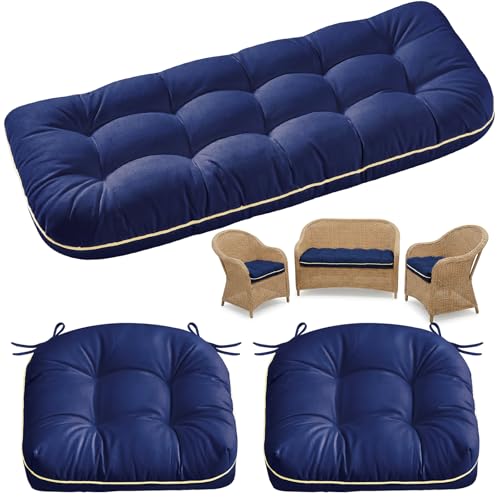
Replacement Cushions for Wicker Chair and Ottoman: The Complete Buyer's Guide
Restore the comfort and beauty of your patio seating. Learn how to choose durable, well-fitting replacement cushions for wicker chair and ottoman sets — from accurate measuring to fabric selection and long-term care.
SHOP RECOMMENDED CUSHIONSWhy Replace Instead of Replacing the Whole Set? Wicker chairs and ottomans are built to last for years, but their cushions take the brunt of sun, rain, and daily use. A fresh set of replacement cushions for wicker chair and ottoman furniture instantly revives the look and feel of your outdoor space at a fraction of the cost of new furniture — and it keeps serviceable frames out of landfills. This guide walks you through every decision so you can buy with confidence.
Why New Cushions Transform Wicker Furniture
Wicker frames — whether made from natural rattan, synthetic resin, or woven polymer — are remarkably durable. The cushions, however, are the first component to show wear. Sun exposure fades fabric, humidity encourages mildew, and repeated use compresses foam until it no longer supports you properly. Replacing the cushions restores ergonomic comfort, refreshes the color palette of your patio, and extends the usable life of furniture you already own. If you are also upgrading the surrounding space, browse our outdoor living ideas to coordinate your new look.
Many homeowners assume cushions are one-size-fits-all. In reality, wicker chair and ottoman sets vary widely in seat depth, back height, and arm configuration. A properly fitted cushion stays in place, looks tailored, and prevents premature wear at the seams. That is why measuring carefully — and shopping with measurements in hand — is the single most important step in this process.
How to Measure Your Wicker Chair and Ottoman
Before you shop for replacement cushions for wicker chair and ottoman sets, take precise measurements of both pieces. Use a soft measuring tape and record everything in writing.
For the Chair Seat Cushion
- Width: Measure from the inside of the left arm to the inside of the right arm at the widest point.
- Depth: Measure from the front edge of the seat to the backrest.
- Thickness: Note the original cushion's loft — typically two to four inches for outdoor seating.
For the Back Cushion
- Height: Measure from the seat surface to the top of the backrest.
- Width: Measure across the back frame between the arms.
For the Ottoman
- Measure the full top surface — width and depth — plus the desired cushion thickness.
Pro tip: Add one to two inches of allowance to your seat measurements so the cushion fills the frame snugly without bulging. If your furniture came with a manufacturer's label or model number, check the brand's sizing chart first — it removes all guesswork. For related patio furniture projects, see our guides on replacement ottoman cushions for outdoor furniture and replacement cushions for wicker loveseat and chairs.
Choosing the Right Fabric for Outdoor Cushions
The fabric determines how long your cushions stay attractive and comfortable. For wicker chair and ottoman cushions that live outdoors, prioritize weather resistance over everything else.
| Fabric Type | Weather Resistance | Comfort & Feel | Best For |
|---|---|---|---|
| Solution-dyed acrylic | Excellent — resists fading, mildew, and water | Soft, canvas-like | Premium, long-term outdoor use |
| Olefin | Very good — quick-drying and colorfast | Textured, durable | Mid-range sets with heavy sun exposure |
| Polyester blends | Good with water-repellent treatment | Smooth, affordable | Covered porches and budget-friendly refreshes |
| Cotton blends | Fair — best kept under cover | Very soft | Screen porches and sunrooms |
If your wicker furniture sits fully exposed to rain and sun, choose solution-dyed acrylic or high-quality olefin. These fabrics hold color for years and dry quickly after a shower. Our replacement waterproof cushions for outdoor furniture guide covers additional water-resistance features worth considering.
Filling and Foam: The Comfort Layer
Fabric gets the attention, but the filling determines how your cushions feel season after season.
- High-density polyurethane foam — the standard for outdoor seat cushions. Entry-level cushions often use lower-density foam that compresses within a season or two, while mid-range and premium options use denser foam that holds its shape for years.
- Foam wrapped in polyester fiber — adds a plush crown to the seat, giving a softer, more tailored look.
- Quick-dry foam — engineered with open cells that let water pass through, ideal for uncovered patios.
- Fiber-only filling — common in back cushions, where a softer, compressible feel is desirable.
As a rule, seat cushions benefit from denser foam for support, while back cushions can be softer. If you are replacing cushions on a matching loveseat as well, our wicker loveseat cushion guide explains how to keep the whole set consistent.
Style, Color, and Coordination
Replacement cushions are a chance to update your patio's palette without buying new furniture. Neutral tones — sand, stone, charcoal, and olive — offer timeless versatility and pair well with almost any wicker finish. Bold colors and patterns can add personality to a seating area, but they tend to date faster. If you plan to keep the cushions for years, a classic neutral base with patterned accent pillows gives you the best of both worlds.
Coordinate the chair and ottoman cushions so they read as a set, then layer in outdoor throw pillows for seasonal color. If your patio includes a fire pit or fire table, warm earthy tones complement the flame. Explore our propane fire tables and small outdoor table with fire pit guides if you are building a complete seating vignette.
Caring for Your New Cushions
Proper care dramatically extends cushion life. Follow these habits:
- Brush off debris weekly and wipe spills promptly with mild soap and water.
- Allow cushions to dry fully after rain — stand them on edge so air circulates on all sides.
- Store cushions during off-season or prolonged wet weather; a plastic storage outdoor cabinet keeps them clean and dry.
- Rotate cushions periodically so both chairs and the ottoman wear evenly.
- Deep clean annually with a fabric-appropriate cleaner, and check zippers and seams for wear.
Most quality outdoor cushions last three to five years with this routine. When the foam stops springing back or the fabric thins at stress points, it is time for another refresh.
Common Mistakes to Avoid
- Guessing the size. Always measure — cushions that are too small slide around, and oversized ones strain the seams.
- Ignoring the fill. A beautiful fabric over low-density foam will feel flat within a season.
- Choosing indoor fabric. Standard upholstery fabric mildews quickly outdoors. Stick to outdoor-rated textiles.
- Skipping the care routine. Even premium cushions degrade without basic cleaning and storage.
Furniture from different brands varies in frame geometry, so double-check fit before buying — especially if you are also considering cushions for other pieces such as wrought iron patio furniture.
Frequently Asked Questions
How do I measure my wicker chair for replacement cushions?
Measure the seat width, depth, and thickness, plus the back height and width. Add one to two inches of allowance for a comfortable fit, and always check the manufacturer's sizing chart if available.
What is the best material for outdoor wicker chair cushions?
Solution-dyed acrylic and olefin fabrics are the top choices because they resist fading, mildew, and moisture while remaining comfortable and easy to clean.
How often should I replace my wicker chair and ottoman cushions?
With regular care, quality outdoor cushions last three to five years. Replace them sooner if the filling is compressed, the fabric tears easily, or mold and mildew persist despite cleaning.
Can I use indoor cushions on outdoor wicker furniture?
It is not recommended. Indoor fabrics absorb moisture and mildew quickly outdoors. Choose outdoor-rated fabrics and quick-dry foam for best results.