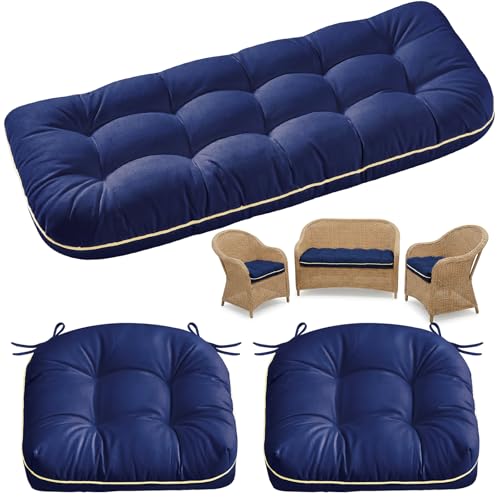
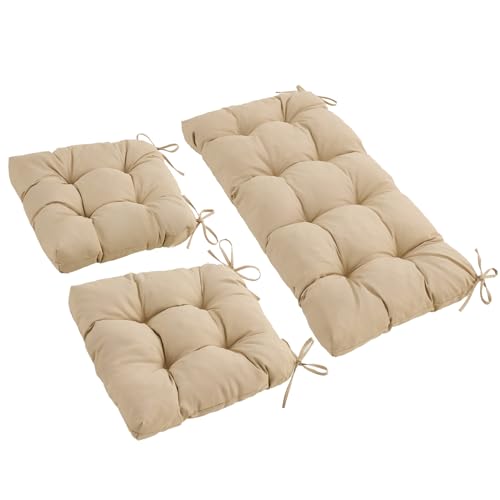
Replacement Cushions for Wicker Loveseat and Chairs: The Complete Buying Guide
Your wicker furniture frame is still sturdy — the cushions are what make it feel new again. Learn exactly how to measure, choose fabrics, and pick replacement cushions that fit right and last for seasons.
SEE RECOMMENDED CUSHIONSWhy this guide matters: Wicker loveseats and chairs are built to last, but their cushions are not. Sun, rain, and daily use flatten foam and fade fabric long before the frame shows wear. Replacing the cushions is one of the most cost-effective ways to restore comfort and refresh your patio — but only if the new cushions fit and survive the outdoors. This guide walks you through every decision, from measuring your frame to comparing fabric tiers, so you can buy with confidence.
When Should You Replace Wicker Furniture Cushions?
Cushions reach the end of their useful life in stages. Knowing the signs helps you decide whether to replace, deep-clean, or simply re-cover. Watch for these indicators:
- Compressed or lumpy foam: If the seat no longer springs back after you stand up, the foam core has broken down. No amount of fluffing will restore it.
- Fabric fading or pilling: UV exposure dulls colors and weakens fibers. Once fabric feels thin or shows a chalky surface, it is no longer protecting the filling.
- Persistent mildew or odor: Mildew that returns after cleaning usually means moisture is trapped inside the foam. Replacement is the safer, healthier option.
- Tears at seams or zippers: Small rips spread quickly under body weight. If the zipper track is broken, repairing is often more effort than replacing.
- Stains that will not lift: Tree sap, bird droppings, and sunscreen stains can set permanently in older fabrics.
If your frame is sound — no broken weave, loose joints, or rust — new cushions will make the set feel brand new. For broader patio refresh projects, pair cushion replacement with upgrades like a poolside table or rectangular outdoor coffee table with umbrella hole to complete the seating area.
How to Measure Your Wicker Loveseat and Chairs
Accurate measurements are the difference between cushions that look custom-made and cushions that slide, bunch, or overhang. Measure the frame, not the old cushion, whenever possible — old cushions may have stretched or compressed.
| Measurement | How to Measure | Why It Matters |
|---|---|---|
| Seat width | Measure the usable seating area from left inner frame to right inner frame. | Prevents side overhang and keeps the cushion centered. |
| Seat depth | Measure from the front edge of the seat to the backrest frame. | Ensures full coverage without pushing the back cushion forward. |
| Cushion thickness | Measure the old cushion's compressed height, or check frame clearance. | Affects seat height and how the cushion sits in the frame. |
| Back height (if applicable) | Measure from seat level to the top of the backrest frame. | Needed when buying a one-piece cushion with an attached back. |
| Corner radius | Check whether the frame has square or rounded corners. | Rounded frames need rounded-corner cushions for a flush fit. |
Pro tip: Round each measurement down to the nearest half inch. A cushion that is slightly smaller sits neatly inside the frame; a cushion that is slightly too large will buckle at the seams and wear out faster. For chairs, take separate measurements for the seat and back if the frame accepts two cushions. If you are also replacing cushions on related pieces, see our guide to replacement cushions for wicker chair and ottoman for matching dimensions.
One-Piece vs. Two-Piece Cushion Sets
Wicker loveseats and chairs typically accept either a single seat-and-back cushion or two separate cushions. Both work — the right choice depends on your priorities.
One-Piece Cushions
A one-piece cushion combines the seat and back into a single unit, often with a hinged seam. They look tailored, stay in place, and eliminate the gap where debris collects between seat and back. However, they are heavier to move, harder to clean, and if one section wears out, the whole cushion must be replaced. One-piece designs suit frames with fixed backrests and buyers who want a clean, uncluttered look.
Two-Piece Cushion Sets
Separate seat and back cushions are easier to remove, wash, rotate, and replace individually. They also let you mix thicknesses — a thicker seat cushion with a slimmer back cushion, for example. The trade-off is that back cushions can slide or sag over time unless they have ties or non-slip backing. Two-piece sets are the practical choice for households that clean cushions frequently or live in rainy climates.
Whichever style you choose, confirm that the cushion's tie-down straps or gripper backing align with your frame's support bars. Frames with open weave need straps; solid seats can use non-slip underlays.
Choosing the Right Fabric for Outdoor Wicker Cushions
Fabric determines how long your cushions look good. Outdoor cushions face UV radiation, humidity, rain, and mildew — indoor upholstery fabric will fail quickly in these conditions. Here is how the main fabric families compare:
Solution-Dyed Acrylic — Premium Tier
The gold standard for outdoor cushions. Color is infused into the fiber itself, so it resists fading far better than surface-dyed fabrics. It also repels water and mildew. Premium-tier acrylic cushions cost more but typically deliver the longest service life in full sun.
Olefin — Mid-Range Tier
A durable polypropylene fiber that handles moisture well and resists mildew. Olefin is a strong mid-range choice for covered patios and mixed climates. It is slightly less fade-resistant than acrylic in intense, year-round sun.
Polyester Blends — Entry-Level Tier
Budget-friendly and available in many patterns, but standard polyester fades and weakens faster under UV exposure. Entry-level polyester cushions work best on shaded porches or for seasonal use. Look for "outdoor-rated" polyester with UV inhibitors for better longevity.
For a deeper look at how fabric choice interacts with the rest of your patio setup, explore our outdoor living guides. If your wicker set sits near a water feature, consider how splashing affects fabric — the same moisture-resistance principles apply to accessories like ponds and fountains that create humid microclimates.
Filling Types: Foam, Fiber, and Wrapped Cores
The filling inside the cushion determines comfort, support, and how quickly the cushion flattens. Most outdoor cushions use one of three constructions:
- High-density foam core: The most supportive and durable option. Density matters more than thickness — a dense 3-inch foam outlasts a soft 5-inch foam. Foam retains its shape best but can feel firm at first.
- Polyester fiber fill: Soft and lightweight, but compresses over time and needs frequent fluffing. Often used in back cushions where deep support is less critical.
- Foam core wrapped in fiber: Combines the support of foam with the softness of fiber. This hybrid is common in mid-range and premium cushions and offers the best balance of comfort and durability.
Check whether the cushion cover has a zipper. Removable covers make cleaning far easier and let you replace the foam insert separately if it flattens. Cushions with sealed covers are more water-resistant but must be replaced entirely when the filling degrades.
Weather Resistance and Maintenance
Even the best outdoor cushions benefit from smart habits. A few practical steps dramatically extend cushion life:
- Store cushions during off-season or heavy rain. A plastic storage outdoor cabinet keeps cushions dry and ventilated without cluttering the patio.
- Stand cushions on edge after rain so water drains and air circulates through the seams.
- Clean with mild soap and water, then rinse thoroughly. Avoid harsh bleach on colored fabrics.
- Rotate seat and back cushions every few weeks to distribute wear evenly.
- Use a cover on the whole furniture set when it will sit unused for extended periods.
If your wicker set is part of a larger outdoor room, coordinating cushion care with your shade and privacy setup helps — for example, shade sails reduce direct UV exposure and slow fabric fading. Similarly, retractable awnings can protect seating areas from sun and sudden showers.
Matching Cushions to Your Wicker Frame and Decor
Wicker comes in natural tones, painted finishes, and resin weaves in gray, black, and white. The cushion should complement the frame, not compete with it:
- Natural brown or honey wicker: Cream, sage, olive, and terracotta cushions echo the organic look. Textured fabrics add interest without clashing.
- White or light gray wicker: Navy, charcoal, and bold stripes provide contrast. Pastels keep the look airy and coastal.
- Black or dark brown wicker: White, sand, and soft gray cushions brighten the set. Jewel tones work for a more dramatic look.
Consider the surrounding hardscape and greenery too. A small outdoor table with fire pit in the middle creates a warm focal point that pairs well with neutral cushions, while solar garden lights add evening ambience without requiring wiring.
Common Mistakes to Avoid When Buying Replacement Cushions
- Measuring the old cushion instead of the frame. Old cushions stretch and compress, leading to undersized replacements.
- Ignoring seat height. A cushion that is too thick raises the seat and can make the chair uncomfortable or unstable.
- Buying indoor fabric for outdoor use. It will fade, mildew, and tear within a season in most climates.
- Skipping the tie-downs. Untethered cushions blow away in wind and slide forward constantly.
- Choosing soft foam over dense foam. Soft foam feels great on day one but flattens quickly under daily use.
- Forgetting to check corner shape. Square cushions in rounded frames leave gaps and wear unevenly.
Ready to Refresh Your Wicker Seating?
Browse our curated selection of replacement cushions sized for wicker loveseats and chairs, chosen for fit, fabric quality, and outdoor durability.
VIEW RECOMMENDED CUSHIONSFrequently Asked Questions
How do I measure wicker furniture for replacement cushions?
What is the best fabric for outdoor wicker replacement cushions?
Should I choose one-piece or two-piece cushions for a wicker loveseat?
How thick should replacement cushions for wicker chairs be?
Can I use indoor cushions on outdoor wicker furniture?
Related reading: replacement waterproof cushions for outdoor furniture, replacement cushions for wrought iron patio furniture, and replacement ottoman cushions for outdoor furniture.