Riding Lawn Mower: The Complete Guide to Choosing, Operating & Maintaining Your Ride-On Mower
Whether you are upgrading from a push mower or replacing an aging ride-on, this guide breaks down everything you need to know — from deck size and transmission types to seasonal maintenance and safe slope operation — so you can invest with confidence.
EXPLORE TOP RIDING MOWERSWhy a riding lawn mower changes everything: For lawns larger than half an acre, a ride-on mower transforms mowing from a weekend chore into a 30-minute task. But with dozens of models, deck sizes, and transmission types on the market, the wrong choice can mean wasted money and frustrating cut quality.
This guide is built for research-stage buyers who already know they want a riding mower but need clarity on which type fits their property, what features actually matter, and how to keep the machine running for a decade or more. Every section is designed to answer the questions that come up right before you add a mower to your cart.
Riding Lawn Mower Types: Which One Fits Your Property?
Riding mowers are not one-size-fits-all. The three main categories below differ in maneuverability, speed, and terrain handling. Understanding these differences is the single most important decision you will make before buying.
Lawn Tractors
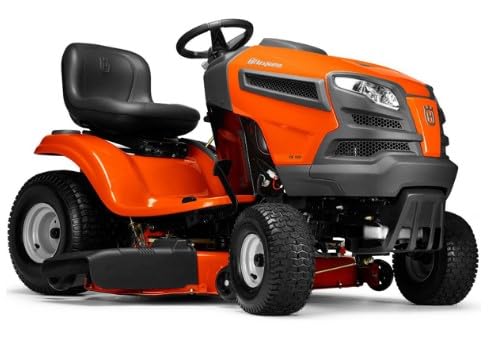
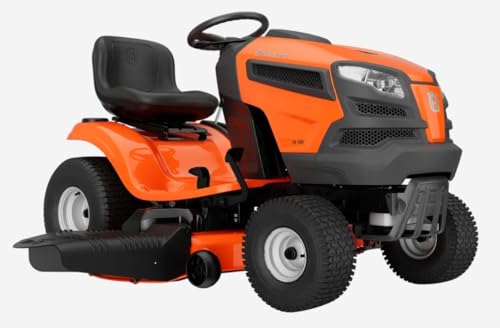
The classic riding mower with a steering wheel, ideal for flat to gently sloped lawns of one to three acres. They offer comfortable seating, large grass catchers, and attachments like carts and aerators. Best for homeowners who prioritize comfort and versatility over speed.
Entry-level to mid-rangeZero-Turn Mowers
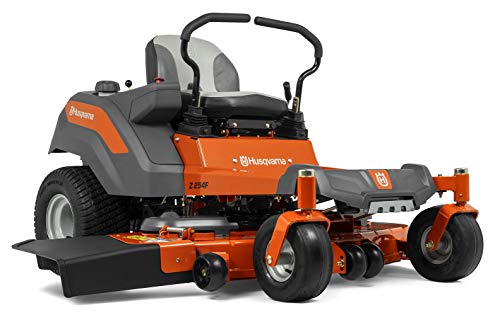
Steered with lap bars or a steering wheel, these mowers pivot in place for unmatched maneuverability around trees, beds, and fences. They mow significantly faster on open properties but require a learning curve and are less suited to steep slopes. Ideal for two acres or more with minimal obstacles.
Mid-range to premiumRear-Engine Riding Mowers
Compact and budget-friendly, with the engine mounted behind the seat for a tighter turning radius than traditional tractors. Perfect for smaller lawns (under one acre) with complex landscaping. Less powerful for heavy attachments but nimble and easy to store.
Budget-friendlyIf you are still weighing whether to buy new or explore pre-owned riding lawn mowers for sale near me, consider that used machines can offer excellent value if you inspect the deck, transmission, and engine hours carefully. For buyers who prefer the reassurance of a warranty and dealer support, riding lawn mowers for sale near me searches will surface local inventory you can test-drive before committing.
Key Features That Actually Matter
Marketing brochures list dozens of features, but only a handful directly affect your mowing experience, safety, and long-term ownership costs. Focus your comparison on these five areas:
- Deck size (42–54 inches): Wider decks cut faster but struggle to fit through narrow gates. A 46- to 48-inch deck is the sweet spot for most residential lawns. Always verify the riding lawn mower clearance needed for sheds and gates before purchase.
- Transmission type: Hydrostatic transmissions offer smooth, pedal-free speed control and are worth the upgrade for hilly terrain. Manual gear transmissions are simpler and more budget-friendly but require more shifting.
- Engine power (18–26 HP): More horsepower helps with thick grass, slopes, and attachments. Mid-range models typically pair 20–22 HP engines with 46-inch decks for balanced performance.
- Cutting height adjustment: Look for a lever or dial that adjusts all four wheels simultaneously. Manual pin adjustments are common on entry-level models but slower to change.
- Bagger and mulch capability: If you want a clean lawn, a bagger collects clippings; mulching decks return nutrients to the soil. Many models support both with optional kits.
⚠️ Safety First: Slope Operation
Most residential riding mowers are rated for slopes up to 15 degrees (about a 27% grade). Never mow across a slope — always go up and down. If your property has steeper inclines, consider a zero-turn with a differential lock or a model specifically rated for hillside use. Wet grass dramatically increases tip-over risk, so wait for dry conditions.
Riding Lawn Mower Maintenance Schedule
A well-maintained riding mower can last 10–15 years. The schedule below covers the essentials; always cross-reference your owner's manual for model-specific intervals. Regular maintenance also protects your investment and keeps the riding lawn mower pick up and repair near me services unnecessary for as long as possible.
| Task | Frequency | Why It Matters |
|---|---|---|
| Check engine oil | Every use | Prevents engine seizure; low oil is the #1 cause of premature mower death. |
| Change engine oil | Every 50 hours or once per season | Removes metal particles and maintains lubrication under load. |
| Clean or replace air filter | Every 25 hours (clean) / annually (replace) | Dusty conditions choke airflow and reduce power. |
| Sharpen or replace blades | Every 20–25 hours | Dull blades tear grass, causing brown tips and disease susceptibility. |
| Check tire pressure | Monthly | Uneven pressure causes an uneven cut and deck scalping. |
| Grease fittings & check belts | Every 50 hours | Prevents wear on moving parts and avoids mid-season breakdowns. |
| Winterize (fuel stabilizer, battery removal) | Before storage | Protects the carburetor and extends battery life through the off-season. |
For major repairs — such as transmission issues or deck spindle replacement — professional service is often the safer choice. If you prefer not to transport the mower yourself, many dealers now offer riding lawn mower repair pickup and delivery near me services that collect the machine, service it, and return it to your door.
Buying Checklist: What to Confirm Before You Purchase
Before finalizing any riding mower purchase, run through this checklist. It takes five minutes and prevents the most common post-purchase regrets.
- Measure your lawn and gates: Confirm the mower's width fits through your narrowest gate and storage entrance.
- Test the steering and seat: Sit on the mower (or a floor model) to check legroom, steering effort, and seat comfort during a simulated 30-minute session.
- Verify the warranty: Look for at least a two-year limited warranty on the machine and a separate warranty on the transmission.
- Check dealer support: A nearby authorized dealer simplifies warranty claims and parts availability. Search riding lawn mowers for sale and filter by local dealers with service departments.
- Compare bagger options: If leaf collection matters, confirm a bagger kit is available. For fall cleanup, consider a riding lawn mower with bagger for sale near me as a bundled option.
- Review attachment compatibility: Carts, aerators, and snow blades add year-round value — confirm the model supports the attachments you need.
Frequently Asked Questions
What is the difference between a riding lawn mower and a zero-turn mower?
A riding lawn mower uses a steering wheel and typically has a tighter turning radius suited for residential lawns with obstacles. A zero-turn mower uses lap bars or a steering wheel with zero-turn capability, allowing it to pivot in place, making it faster and more efficient for large, open properties but requiring more practice to operate safely.
How often should I change the oil in my riding lawn mower?
Most manufacturers recommend changing the oil after the first 5 hours of use, then every 50 hours or at least once per mowing season. Always check your owner's manual for the specific interval, as it varies by engine type and usage conditions.
Can a riding lawn mower handle slopes?
Yes, but with limitations. Most residential riding mowers are safe on slopes up to 15 degrees (about 27% grade). Zero-turn mowers and models with differential lock can handle slightly steeper inclines. Always mow up and down slopes, never across, and avoid wet grass to prevent tipping.
How long does a riding lawn mower last?
With proper maintenance, a quality riding mower lasts 10–15 years or roughly 1,000–1,500 operating hours. Entry-level models may last 7–10 years, while premium models with hydrostatic transmissions and reinforced decks frequently exceed 15 years.
Should I buy a new or used riding mower?
New mowers offer warranties, dealer support, and the latest safety features. Used mowers can deliver strong value if you inspect engine hours, deck condition, and transmission smoothness. If buying used, request maintenance records and test-drive the machine on a slope before purchase.
If you are replacing an older machine and need a quick turnaround, exploring riding lawn mower for sale by owner near me listings can uncover well-maintained local options, while dealer inventory remains the best route for warranty coverage. For compact properties, rear-engine riding lawn mowers for sale near me searches will surface the nimble models that excel in tight spaces.