Riding Lawn Mowers for Sale: The Complete Buyer's Guide
Choosing the right riding lawn mower transforms lawn care from a weekend chore into a quick, comfortable task. This guide breaks down mower types, essential features, and buying considerations so you can confidently select the perfect machine for your property.
Browse Top Riding MowersWhy Invest in a Riding Lawn Mower
A walk-behind mower works fine for small, flat yards, but once your lawn grows beyond a quarter acre or includes gentle slopes and obstacles, a riding mower becomes a practical necessity. Sitting at the controls reduces physical strain, shortens mowing time dramatically, and makes it far easier to maintain a consistent cut across large areas. For homeowners who take pride in a well-kept landscape, a riding mower is an investment in both comfort and curb appeal.
Beyond convenience, riding mowers often support attachments that turn a single machine into a year-round landscaping tool. Mulching kits, baggers, snow blades, and tow-behind carts expand functionality far beyond simple grass cutting. If you are still weighing whether a riding mower suits your needs, exploring the broader riding lawn mower overview can help you understand the full range of capabilities before you commit.
Types of Riding Lawn Mowers
Riding mowers generally fall into four categories, each defined by its intended use, maneuverability, and market positioning. The tier labels below describe relative market position, not absolute pricing.
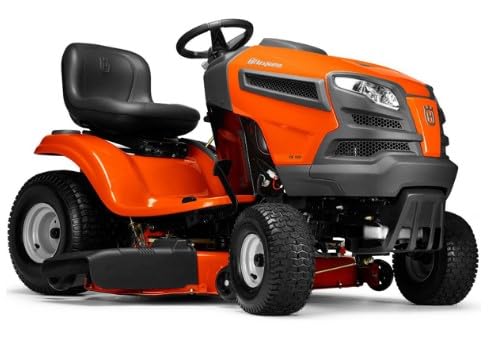
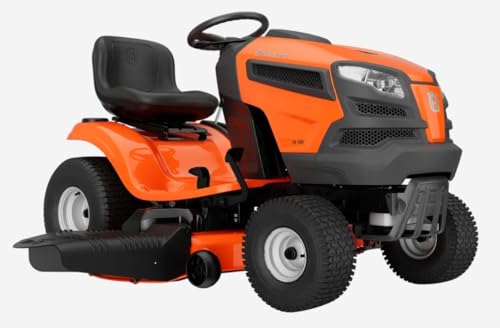
Lawn Tractors
The most familiar style, with a steering wheel and a front-mounted engine. Best suited to flat or gently rolling lawns of half an acre or more.
- Simple, intuitive steering-wheel control
- Compatible with baggers, mulchers, and carts
- Comfortable for long, straight mowing passes
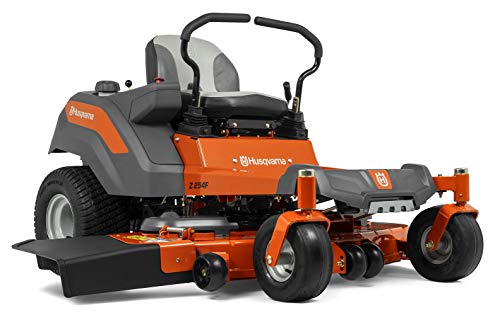
Zero-Turn Mowers
Dual lap bars or a steering-wheel variant allow independent wheel control, delivering exceptional maneuverability around obstacles.
- Very tight turning radius
- Higher mowing speed on open ground
- Ideal for complex lawns with trees and beds
Garden Tractors
Heavier frames and stronger transmissions designed for ground-engaging attachments and year-round property maintenance.
- Supports tillers, plows, and snow equipment
- Robust hydraulic or shaft-drive systems
- Built for larger properties and mixed tasks
Rear-Engine Riders
Compact, agile machines with the engine mounted behind the operator. Excellent for smaller or irregular lawns.
- Small footprint and easy storage
- Good visibility and tight maneuverability
- Great for lawns under an acre
If you are leaning toward a compact option for a modest yard, a rear-engine riding lawn mower offers an agile solution that fits through narrow gates and stores easily. For larger properties with varied terrain, zero-turn models deliver the speed and precision that make weekly maintenance effortless.
Key Features to Evaluate
Cutting Deck Size
Decks range from compact widths suited to tight spaces up to wide decks that shorten mowing time on open lawns. A wider deck is faster but demands more clearance around obstacles.
Transmission Type
Hydrostatic transmissions offer smooth, pedal-free speed control and are favored for comfort. Gear-drive systems are simpler and more budget-friendly but require manual shifting.
Engine and Power
Engine displacement and cylinder count affect durability and torque. Single-cylinder engines suit smaller lawns, while twin-cylinder engines handle larger properties with less vibration and more consistent power.
Mulching and Bagging
Mulching returns clippings as natural fertilizer, while bagging keeps the lawn pristine. Many mowers support both via interchangeable kits. A riding mower with a bagger is a smart choice if you prefer a spotless finish.
Comfort and Ergonomics
Adjustable seats, cruise control, and vibration-dampening mounts make longer mowing sessions far more pleasant. Mid-range and premium models typically offer more ergonomic refinements than entry-level machines.
Terrain Capability
Sloped or uneven lawns require models with reliable traction, wide tires, and stable low centers of gravity. Consider your property's grade and drainage before committing to a model.
Matching a Mower to Your Lawn
Lawn size is the single most important factor in choosing a riding mower. Properties under half an acre are usually well served by compact rear-engine riders, while half-acre to two-acre lawns benefit from lawn tractors or zero-turn mowers. Larger properties demand heavier garden tractors or commercial-grade machines with robust cooling and larger decks.
Terrain comes next. A flat, open lawn can be handled by nearly any rider, but slopes, trees, and garden beds reward maneuverability. Zero-turn mowers shine in obstacle-dense landscapes, whereas lawn tractors excel on broad, uninterrupted stretches. If your property includes multiple terrain types, prioritize a versatile mid-range model that balances speed, stability, and attachment compatibility.
Practical tip: Measure your lawn area and note the location of trees, beds, and slopes before shopping. A mower matched to your terrain and acreage will always outperform a larger or smaller machine that is poorly suited to the job.
Smart Buying Strategies
Buying a riding mower is a long-term investment, so approach it with the same care you would give any major garden equipment purchase. Start by establishing your lawn size, terrain, and required attachments, then narrow the field by transmission type and deck width. If you prefer the convenience and verified condition of a pre-owned machine, exploring a pre-owned riding lawn mower can stretch your budget significantly while still delivering dependable performance.
When shopping local listings, a riding lawn mower for sale by owner may offer excellent value, but always inspect the machine in person. Check the deck for rust, verify the engine starts cold, test the transmission, and confirm maintenance records if available. For buyers who prefer the security of a dealer, a riding lawn mower for sale near me search will surface local inventory with potential warranty support and service options.
Finally, factor in long-term costs such as blades, belts, filters, and seasonal servicing. A mid-range model with readily available parts often proves more economical to own than an entry-level machine with limited support. Take your time, compare specifications, and prioritize durability and serviceability over flashy extras.
Pre-Purchase Checklist
- Confirm your lawn size in acres or square footage.
- Note slopes, obstacles, and gate widths on your property.
- Decide whether mulching, bagging, or both are important to you.
- Choose between hydrostatic and gear-drive transmission.
- Verify the cutting deck width suits your lawn's layout.
- Check engine type and cylinder count for your property size.
- Confirm attachment compatibility for future needs.
- Inspect the machine in person if buying pre-owned.
- Ask about warranty, service availability, and parts support.
- Factor in seasonal maintenance and replacement part costs.
Frequently Asked Questions
Ready to Find Your Perfect Riding Mower?
Explore our curated selection of riding lawn mowers for sale, chosen to cover every lawn size, terrain, and budget tier. Each option is evaluated for performance, durability, and long-term value.
View Recommended Mowers