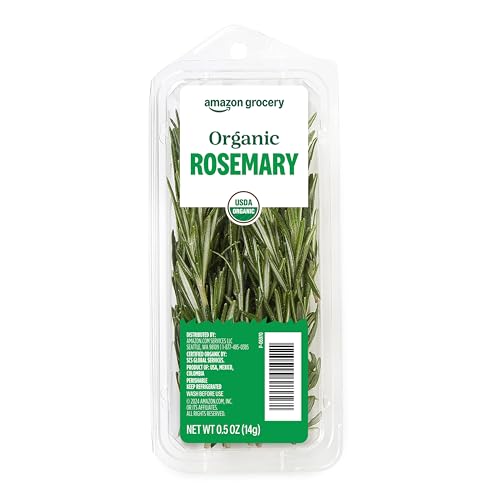
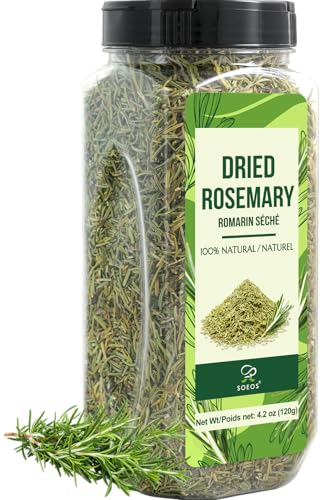
Romero Plant: The Ultimate Guide to Growing & Using Rosemary
Discover everything you need to know about the Romero plant (rosemary). From care tips and health benefits to culinary uses and landscaping ideas — let this versatile herb inspire your garden and kitchen.
Start Your Romero JourneyDid you know? The Romero plant, known botanically as Salvia rosmarinus (formerly Rosmarinus officinalis), is a perennial herb native to the Mediterranean region. It has been used for centuries in cooking, medicine, and even in traditional ceremonies. Its name comes from the Latin "ros marinus" meaning "dew of the sea" — a nod to its coastal origins.
Whether you're a seasoned gardener or just starting out, the Romero plant is a fantastic addition to any home or garden. It's drought-tolerant, deer-resistant, and attracts pollinators like bees and butterflies. In this guide, we'll cover everything from planting and care to harvesting and using your Romero plant.
🌱 Romero Plant Care & Growing Guide
Light: Full sun is best — at least 6-8 hours of direct sunlight daily. If growing indoors, place near a south-facing window.
Soil: Well-draining soil is crucial. A mix of potting soil, sand, and perlite works well. Avoid heavy clay soils.
Water: Allow the soil to dry out between waterings. Overwatering can lead to root rot. In hotter months, water more frequently.
Temperature: Hardy in USDA zones 8-10. Can be grown as an annual in cooler climates or brought indoors during winter.
Pruning: Regular pruning encourages bushier growth and prevents legginess. Harvest sprigs as needed — the more you harvest, the more it grows!
Pests & Diseases: Generally pest-free, but watch for powdery mildew in humid conditions. Ensure good air circulation.
Learn more about soil mixes for herbs →✨ Health Benefits & Everyday Uses
Culinary Uses: Romero (rosemary) is a staple in Mediterranean cuisine. Use fresh or dried sprigs to flavor roasted meats, vegetables, breads, and oils.
Health Benefits: Rich in antioxidants and anti-inflammatory compounds. May improve memory, boost immune function, and support digestion.
Aromatic: The distinctive pine-like fragrance is used in aromatherapy to reduce stress and improve concentration.
Natural Remedy: Rosemary tea can soothe headaches and digestive discomfort. Always consult a professional before using herbs medicinally.
Gardening Benefits: Repels certain pests and attracts pollinators, making it an excellent companion plant for vegetables and flowers.
Attract more pollinators with these plants →Why Grow Romero? Top Benefits
💪 Drought-Tolerant
Perfect for water-wise gardens. Once established, it thrives with minimal watering.
🐝 Pollinator Magnet
Attracts bees, butterflies, and other beneficial insects to your garden.
🍲 Culinary Essential
Adds incredible flavor to a wide range of dishes, from roasts to breads.
🌿 Aromatic & Therapeutic
Its scent promotes relaxation and mental clarity — great for home and garden.
🛡️ Natural Pest Repellent
Helps deter certain garden pests, reducing the need for chemical sprays.
🌱 Easy to Propagate
Grow new plants from cuttings or layering. A rewarding plant for beginners and experts alike.
How to Plant and Propagate Romero
From Seeds: Start seeds indoors 8-10 weeks before the last frost. Sow on the surface of moist soil, as light aids germination. Keep at 65-70°F (18-21°C). Germination can be slow (14-21 days).
From Cuttings: The easiest method! Take 4-6 inch stem cuttings from a healthy plant in spring or early summer. Remove lower leaves, dip in rooting hormone, and plant in well-draining soil. Keep moist but not waterlogged.
Transplanting: Space plants 18-24 inches apart in well-draining soil. Water thoroughly after planting, then water only when the top inch of soil is dry.
Container Growing: Choose a pot with drainage holes. Use a high-quality potting mix with added sand or perlite for drainage. Repot every 2-3 years.
Check out our guide on caring for succulents and drought-tolerant plants →
Harvesting & Storing Your Romero Plant
When to Harvest: Harvest sprigs in the morning after dew has dried. Regularly pinching tips encourages bushier growth.
How to Harvest: Use clean, sharp scissors to cut 4-6 inch sprigs. Avoid cutting more than one-third of the plant at a time.
Drying: Tie sprigs in small bundles and hang upside down in a dark, well-ventilated area. Dry for 1-2 weeks, then store in airtight containers.
Freezing: Chop leaves and freeze in ice cube trays with water or oil. Use frozen cubes directly in cooking.
Fresh Use: Store fresh sprigs in a glass of water at room temperature or wrap in a damp paper towel in the fridge.
Romero in Landscaping & Garden Design
🌿 Borders & Edging
Romero's compact, mounding habit makes it perfect for low hedges, path borders, and herb garden edges. Its fragrant foliage adds sensory appeal.
Idea: Plant along walkways to release fragrance when brushed against.
🌺 Mixed Gardens
Pair with lavender, sage, and thyme for a Mediterranean-style garden. Romero's silvery-green foliage contrasts beautifully with purple and blue flowers.
Explore low-maintenance landscaping ideas →🪴 Containers & Patios
Romero thrives in pots and makes an excellent container plant. Place on patios, balconies, or near kitchen doors for easy access.
Find more easy-care plants for your home →🌱 Ground Cover & Slopes
Prostrate varieties (like 'Prostratus') are excellent for cascading over walls or as ground cover on sunny slopes, preventing erosion.
Discover more ground cover options →Frequently Asked Questions About Romero
Q: Is Romero the same as rosemary?
A: Yes, Romero is the Spanish name for rosemary, but the plant is the same. The scientific name is Salvia rosmarinus.
Q: Can I grow Romero indoors?
A: Absolutely! Place it in a bright, sunny spot and rotate the pot occasionally for even growth. Ensure good air circulation.
Q: How often should I water my Romero plant?
A: Water when the top inch of soil feels dry. In winter, reduce watering. Overwatering is a common mistake — let the soil dry between waterings.
Q: Is Romero toxic to pets?
A: Rosemary is generally considered non-toxic to cats and dogs, but large amounts can cause digestive upset. Always monitor your pets around plants.
Q: When is the best time to prune Romero?
A: Prune in early spring or after flowering. Light pruning throughout the growing season keeps the plant bushy and productive.
Ready to Grow Your Own Romero Plant?
Start your herb garden today with the right tools, soil, and care. Explore our recommended products below to help you succeed.
Shop Recommended Supplies