
Self-Propelled Gas Lawn Mower with Push Button Start: Effortless Lawn Care
Discover how push button start technology transforms gas mowing. Learn about self-propelled drive systems, key features, tier comparisons, and expert tips to choose the right mower for your lawn.
Explore Recommended ModelsWhy Choose a Self-Propelled Gas Mower with Push Button Start? Traditional gas mowers require a firm pull of the starter cord—a task that can be exhausting, especially for those with limited strength or mobility. A self-propelled gas lawn mower with push button start eliminates both the physical strain of pushing and the hassle of pull-starting. Instead, you get the power and endurance of a gas engine combined with the convenience of electric ignition and the ease of a drive system that moves the mower forward. This guide explains everything you need to know before choosing your next mower.
What Is a Self-Propelled Gas Lawn Mower with Push Button Start?
A self-propelled gas lawn mower with push button start is a gas-powered mower equipped with two key technologies. First, the self-propelled system uses a transmission and belt-driven mechanism to turn the mower's wheels, pulling the machine forward so you only need to guide it. Second, the push button start replaces the traditional pull cord with an electric starter powered by a small battery or capacitor. Together, these features make mowing faster, less tiring, and far more accessible for a wide range of users.
These mowers are particularly valuable for homeowners with medium to large lawns, sloped yards, or anyone who finds manual push mowing physically demanding. Unlike self-propelled electric lawn mowers, gas models offer unlimited runtime without battery recharge cycles, making them ideal for extended mowing sessions or properties without convenient charging access. For those considering a broader range of options, comparing self-propelled gas lawn mower types can help clarify which drive system and feature set best matches your needs.
Key Features to Evaluate
Push Button Start System
The electric starter engages the engine with a simple press. Most systems use a rechargeable battery or capacitor that holds a charge for multiple starts. This feature is especially valuable for users who struggle with pull cords or mow frequently. Look for models with a backup pull cord in case the battery discharges unexpectedly.
Drive System: Front-Wheel vs Rear-Wheel
Front-wheel-drive (FWD) mowers are lighter and easier to maneuver around obstacles, making them ideal for flat, straightforward lawns. Rear-wheel-drive (RWD) models provide superior traction on slopes and uneven terrain. For hilly properties, RWD is generally the better choice, while FWD excels on flat, open yards.
Variable Speed Control
Variable speed allows you to match the mower's pace to your walking speed or the thickness of the grass. Entry-level models may offer a single forward speed, while mid-range and premium mowers often include a throttle or lever for on-the-fly adjustments. This feature significantly improves comfort during long mowing sessions.
Cutting Deck Width
Most self-propelled gas mowers feature a 20- to 23-inch deck. A wider deck reduces the number of passes required, saving time on large lawns. However, wider decks can be harder to maneuver in tight spaces. Choose based on your lawn's size and the presence of landscaping features that require trimming around.
Engine Displacement and Torque
Engine size affects cutting power and the ability to handle thick or wet grass. Mid-range models typically offer sufficient torque for most residential lawns, while premium models with larger engines excel in challenging conditions. Consider your grass type and mowing frequency when evaluating engine specifications.
Deck Material and Durability
Steel decks offer durability and a traditional feel, while aluminum or composite decks resist rust and reduce weight. Premium models often use heavy-gauge steel with powder-coated finishes for longevity. Inspect the deck material and warranty coverage as indicators of overall build quality.
Entry-Level vs Mid-Range vs Premium: Understanding the Tiers
Self-propelled gas mowers with push button start are available across a spectrum of quality tiers. Understanding what each tier typically offers helps you align your expectations with real-world performance—without relying on price as the sole indicator.
Budget-Friendly Essentials
Entry-level models provide the core benefits of self-propulsion and push button start at an accessible point. They typically feature a single forward speed, a lighter-duty engine, and a basic steel deck. These mowers suit small to medium flat lawns and occasional use. Expect simpler controls and fewer premium materials, but reliable performance for straightforward mowing tasks.
Balanced Performance
Mid-range mowers often introduce variable speed control, upgraded engines with better torque, and more durable deck materials. They may offer both front- and rear-wheel-drive options and improved ergonomics such as adjustable handles. For homeowners with larger lawns or moderate slopes, mid-range models deliver a noticeable step up in comfort and capability without venturing into premium territory.
Top-Tier Durability and Features
Premium self-propelled gas mowers feature heavy-duty engines, commercial-grade transmissions, and advanced vibration-dampening systems. They often include electric start with maintenance-free batteries, wider cutting decks, and superior traction for challenging terrain. These models are built for frequent use, large properties, and users who prioritize longevity and refined performance above all else.
Benefits of Push Button Start and Self-Propulsion
- Effortless Starting: No more yanking a pull cord repeatedly. Press a button and the engine fires up instantly, even after winter storage.
- Reduced Physical Strain: The self-propelled drive moves the mower forward, so you only steer. This is especially beneficial for sloped lawns, large properties, or users with limited mobility.
- Consistent Cutting Speed: A drive system maintains a steady pace, resulting in a more uniform cut compared to manual pushing, which can vary in speed.
- Time Savings: Faster starts and smoother operation reduce overall mowing time. Wider decks and variable speed further streamline the process.
- Accessibility: Push button start makes gas mowing viable for people who may struggle with pull cords due to age, injury, or physical limitations.
- Unlimited Runtime: Unlike battery-powered mowers, gas models run as long as you have fuel, making them ideal for large lawns or multi-property use.
How to Choose the Right Model for Your Lawn
| Lawn Characteristic | Recommended Drive Type | Suggested Tier | Key Consideration |
|---|---|---|---|
| Small, flat lawn (under 1/4 acre) | Front-wheel drive | Entry-level to mid-range | Lighter weight and easy maneuverability around obstacles |
| Medium, flat lawn (1/4 to 1/2 acre) | Front-wheel drive | Mid-range | Variable speed and wider deck reduce mowing time |
| Large, flat lawn (over 1/2 acre) | Rear-wheel drive | Mid-range to premium | Durability, engine power, and larger fuel tank capacity |
| Gently sloped lawn | Rear-wheel drive | Mid-range | Traction and control on inclines |
| Steep or uneven terrain | Rear-wheel drive | Premium | High-torque engine and superior traction features |
Before finalizing your choice, it's worth exploring self-propelled gas lawn mowers with electric start to compare ignition systems. Electric start and push button start are sometimes used interchangeably, but there can be subtle differences in how the starter engages. If you're interested in how drive type affects performance, the self-propelled rear-wheel drive gas push lawn mower guide provides detailed insights. For those who prefer larger wheels for stability and easier rolling over rough terrain, consider self-propelled lawn mowers with large rear wheels.
Maintenance Tips for Long-Term Reliability
A self-propelled gas mower with push button start is an investment in convenience, but it still requires regular care to perform at its best. Key maintenance tasks include:
- Battery Care: Keep the starter battery or capacitor charged, especially during off-season storage. Many systems recharge during engine operation, but extended idle periods may require a trickle charge.
- Engine Oil: Check oil levels before each use and change according to the manufacturer's schedule. Clean oil extends engine life and ensures reliable starting.
- Spark Plug: Inspect and replace the spark plug annually or as needed. A worn plug can cause hard starting and rough running.
- Air Filter: Clean or replace the air filter regularly to maintain airflow and engine efficiency.
- Drive Belt and Transmission: Inspect the drive belt for wear and tension. A slipping belt reduces propulsion efficiency and should be adjusted or replaced.
- Blade Maintenance: Sharpen or replace the mower blade at least once per season. A dull blade tears grass, leaving it vulnerable to disease.
- Fuel System: Use fresh fuel and consider a fuel stabilizer during storage to prevent carburetor issues.
Ready to Upgrade Your Mowing Experience?
Browse our curated selection of self-propelled gas lawn mowers with push button start, chosen for their reliability, ease of use, and performance across different lawn types and budgets.
View Recommended ModelsFrequently Asked Questions
A self-propelled gas lawn mower with push button start combines a gas-powered engine with an easy-start ignition system and a drive mechanism that moves the mower forward without pushing. This eliminates the need to pull a starter cord and reduces physical effort during mowing. The drive system can be front-wheel, rear-wheel, or all-wheel, each suited to different lawn conditions.
Push button start systems use a small battery or capacitor to turn the engine over electronically. When you press the button, an electric starter engages the engine, similar to how a car ignition works. This removes the need for manual pull-cord starting. Most systems recharge during engine operation, but a backup pull cord is often included for emergencies.
Yes, many models are designed to handle moderate slopes. Front-wheel-drive models work well on flat to gently sloped terrain, while rear-wheel-drive models provide better traction and control on uneven or sloped yards. Always check the manufacturer's slope recommendations before purchasing, and never mow on slopes steeper than the mower is rated for.
Regular maintenance includes checking the battery or capacitor charge, cleaning the spark plug, changing the engine oil, replacing the air filter, and inspecting the drive belt and blades. Following the manufacturer's schedule ensures reliable starting and optimal performance. Store the mower with a charged battery and fresh fuel stabilizer during the off-season.
For small to medium lawns up to half an acre, a mid-range 21-inch model with front-wheel drive is often sufficient. For larger lawns or hilly terrain, consider a premium rear-wheel-drive model with a wider cutting deck and variable speed control. Match the mower's features to your lawn's size and topography, and prioritize build quality and engine reliability over extra features you may not need.
If you're also considering alternatives for smaller properties or quieter operation, explore self-propelled electric lawn mowers with battery and charger for a different approach to effortless mowing. For those who may be looking for a used option, self-propelled gas lawn mowers for sale near me can help you find local listings. And if you're weighing the benefits of different drive configurations, the rear-wheel drive gas push mower overview is a useful resource.
Recommended Self-Propelled Gas Lawn Mowers with Push Button Start
⚠️ AFFILIATE DISCLOSURE: This website contains affiliate links. As an Amazon Associate, we earn from qualifying purchases. If you make a purchase through these links, we may receive a small commission at no additional cost to you. Read our full affiliate policy.

SENIX 201cc 22" 3-in-1 Variable Speed Self Propelled Gas Lawn Mower | Self Propelled Lawn Mower, 22" Self Propelled Gas Lawn Mower, 6 Height Adjustable
Check price on Amazon
YARDMAX 22 in. 201cc Select PACE 6 Speed CVT High Wheel FWD 3-in-1 Gas Walk Behind Self Propelled Lawn Mower, Black (YG2860)
Check price on Amazon
BILT HARD 21 Inch 201cc 4-Cycle Engine Push Lawn Mower, 3-in-1 Gas Lawn Mower with Bagging, Mulching and Side Discharge, Easy Start with Adjustable 8-Positions Cutting Height for Lawn, Yard, Garden
Check price on Amazon
24 in. 201cc Electric Start Select PACE 6 Speed CVT High Wheel RWD 3-in-1 Gas Walk Behind Self Propelled Lawn Mower w/Blower
Check price on Amazon
SENIX 21 in Self Propelled Gas Lawn Mower, 6 Cutting Height Adjustment | 3-in-1 (Mulching, Side Discharge and Rear Bagging), 170CC 4-Cycle OHV Gas Lawn Mowwer, Front-wheel Drive 8 Inch/11 Inch
Check price on Amazon
SENIX 201cc 22" 3-in-1 Single Speed Self Propelled Gas Lawn Mower | 6 Height Adjustable, Self Propelled Lawn Mower, 22" Self Propelled Gas Lawn Mower
Check price on Amazon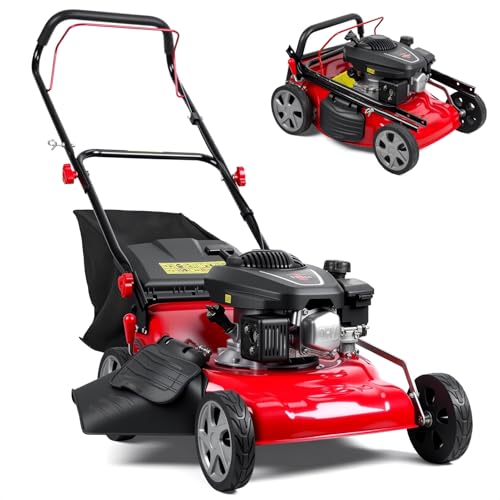
131cc Foldable Gas Lawn Mower, Self-Propelled Rear-Wheel Drive, 18 Inch Cutting Width, 50L Grass Bag, 3-in-1 Mulching/Side Discharge/Rear-Bagging, Lightweight Push-Button Start Mower
Check price on Amazon