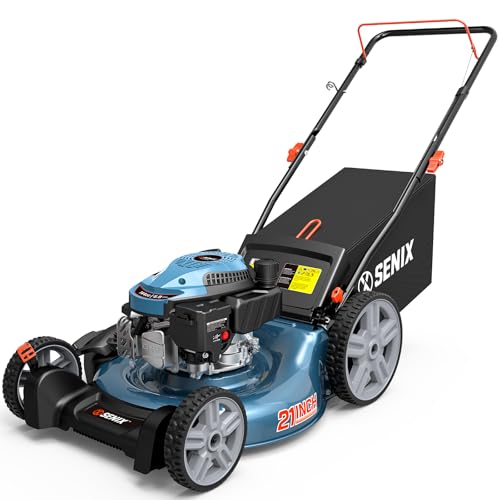
Self Propelled Gas Lawn Mower: The Complete Guide to Easier Mowing
If you are researching a self propelled gas lawn mower, you already know what you want — a machine that takes the strain out of mowing. This guide walks you through how drive systems work, which features actually matter, and how to match a mower to your lawn, so you can buy with confidence.
Browse Recommended ModelsWhy this guide matters: A self propelled gas lawn mower is one of the most practical investments a homeowner can make for a medium to large yard. Unlike a basic push mower, it uses a drive system to move forward under its own power, so you only steer and control the pace. The result is less fatigue, more consistent cutting, and a lawn that looks better with far less effort.
What Is a Self Propelled Gas Lawn Mower?
A self propelled gas lawn mower combines a gasoline engine with a mechanical drive system that turns one or both axles. Instead of pushing the machine, you engage a lever or bar and the mower pulls itself forward. Most models offer variable speed control, letting you match the pace to your stride or the density of the grass.
This class of mower sits comfortably between a simple push mower and a heavy riding lawn mower. It is ideal for homeowners who want walk-behind convenience with far less physical strain. If your property is larger or you are comparing options, it helps to understand where a self propelled unit fits relative to a riding lawn mower — the former is lighter, easier to store, and better suited to tighter spaces.
Front-Wheel vs Rear-Wheel Drive: Which Is Right for You?
The drive system is the single most important decision when choosing a self propelled gas lawn mower. Each layout has clear strengths, and the right pick depends on your terrain and mowing habits.
Front-Wheel Drive (FWD)
Lighter and easier to maneuver around obstacles. Best for flat, even lawns with few slopes. Typically more affordable within the self propelled category.
Rear-Wheel Drive (RWD)
Superior traction on hills and thick grass. The larger rear wheels handle uneven ground better. A strong choice for sloped or challenging yards.
All-Wheel Drive (AWD)
Maximum grip on difficult terrain. Usually heavier and positioned in the premium tier. Best for steep slopes or consistently wet, thick lawns.
Variable Speed vs Single Speed
Variable speed lets you match pace to conditions. Single-speed models are simpler and lighter but less flexible on mixed terrain.
If your yard is mostly flat, a front-wheel-drive model is often the most comfortable choice. For hilly properties, rear-wheel drive is worth prioritizing. Many buyers also consider a self propelled rear wheel drive gas push lawn mower for the extra traction without moving up to a full riding unit.
Key Features That Matter on a Self Propelled Gas Mower
Beyond the drive system, several features separate a frustrating mower from a genuinely enjoyable one. Use this checklist when comparing models.
- Engine reliability: Look for well-known engine brands with accessible service networks. A dependable engine matters more than a long feature list.
- Cutting deck size: A wider deck reduces passes but adds weight. Smaller decks are easier to maneuver in tight spaces.
- Start system: Electric start and push-button start remove the effort of pull-starting. If convenience is a priority, explore a self propelled gas lawn mower with electric start or a push button start model.
- Wheel size: Larger wheels roll over uneven ground more smoothly. Some buyers prefer self propelled mowers with large rear wheels for stability.
- Mulching and bagging: A three-in-one deck (mulch, bag, side discharge) adds flexibility for different seasons and lawn conditions.
- Height adjustment: Single-lever adjustment across all wheels saves time and keeps cuts even.
- Folding handle: Important for storage in smaller sheds or garages.
If you are still in the research phase and want to see what is available locally, browsing a self propelled gas lawn mower for sale near me search can help you compare models in person before committing.
Understanding Quality Tiers Without the Price Tag
Rather than focus on numbers, it helps to think about self propelled gas lawn mowers in terms of build quality and intended use. The table below uses consistent tier descriptors so you can compare models on substance, not sticker shock.
| Tier | Typical Characteristics | Best For |
|---|---|---|
| Entry-level | Reliable basic engine, front-wheel drive, single-speed drive, smaller deck | Flat, modest lawns and first-time buyers |
| Mid-range | Variable speed, rear-wheel drive options, electric start, larger wheels | Mixed terrain and regular weekly mowing |
| Premium | Stronger engines, all-wheel drive, advanced deck materials, smoother drive engagement | Large, sloped, or demanding properties |
| Top-tier | Commercial-grade components, refined transmission, longest service life | Heavy use and owners who prioritize durability |
Mid-range models usually offer the smoothest balance of capability and comfort. Entry-level units are perfectly capable on flat ground, while premium and top-tier models justify themselves on challenging terrain or with frequent use.
Maintenance Tips to Keep Your Mower Running Smoothly
A self propelled gas lawn mower rewards basic care with years of dependable service. The routine is straightforward and does not require specialist tools.
- Change the oil each season and check the level before every few uses.
- Clean or replace the air filter regularly, especially in dusty conditions.
- Sharpen the blade a few times per season for a clean cut and healthier grass.
- Inspect the drive belt and wheels for wear, since the propulsion system carries extra load.
- Store with stabilized fuel during the off-season to avoid carburetor issues.
- Keep the underside of the deck clean to prevent grass buildup and rust.
For broader lawn health, pair mower maintenance with a solid seasonal routine. Our pruning tips and guidance on soil guides can help you keep the whole yard in shape, not just the grass.
How to Choose the Right Self Propelled Gas Mower
Before you decide, answer these practical questions about your property and habits. They will narrow the field quickly.
- How large is your lawn? Larger yards benefit from wider decks and variable speed.
- Is the terrain flat or sloped? Slopes favor rear-wheel or all-wheel drive.
- How much storage space do you have? A folding handle and compact footprint matter in small sheds.
- Do you want electric start? It removes the physical effort of pull-starting.
- Will you mulch, bag, or discharge? A three-in-one deck covers all three.
If you are also considering battery-powered alternatives, it is worth comparing a self propelled electric lawn mower with battery and charger against gas models. Electric units are quieter and require less maintenance, while gas models typically offer more sustained power for larger properties.
Frequently Asked Questions
What does self propelled mean on a gas lawn mower?
It means the mower has a drive system that moves the machine forward under its own power, so you only guide it rather than push it. This reduces fatigue on large or sloped lawns.
Is front-wheel drive or rear-wheel drive better?
Rear-wheel drive generally provides better traction on slopes and thick grass, while front-wheel drive is lighter and easier to maneuver on flat, even lawns. The best choice depends on your terrain.
How often should I maintain a self propelled gas lawn mower?
Change the oil and inspect the spark plug each season, clean the air filter regularly, and check the drive belt and wheels for wear. Sharpening the blade a few times per season keeps cuts clean.
Can a self propelled mower handle thick grass?
Yes, but rear-wheel or all-wheel drive models handle dense growth more effectively than front-wheel drive. Cutting in multiple passes at a higher height also helps.
Is electric start worth it?
For many owners, yes. Electric start removes the effort of pull-starting and is especially welcome for those who mow less frequently or have limited strength.