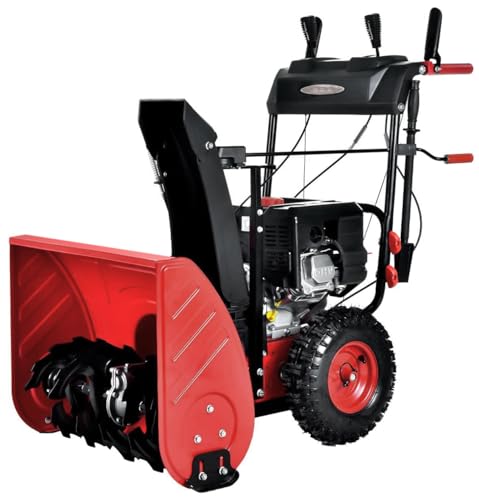
Snow Blowers: The Complete Guide to Choosing the Right Machine
Whether you face light powder or heavy drifts, a snow blower can transform winter chores into a quick task. This guide breaks down the types, key features, and important considerations so you can clear your driveway with confidence.
EXPLORE SNOW BLOWERSWhy a snow blower matters: Shoveling heavy snow is strenuous and time-consuming. A snow blower saves you effort, reduces the risk of injury, and clears your driveway or walkway quickly so you can get on with your day. With the right model, you can handle winter weather efficiently and safely — whether you live in a region with occasional flurries or months of deep snow.
Types of Snow Blowers: Which One Fits Your Needs?
Snow blowers come in several designs, each suited to different snow conditions and property sizes. Understanding the differences helps you make an informed decision without over- or under-buying.
- Single-stage snow blowers: These lightweight machines use a rubber auger to scoop and throw snow in one motion. They are ideal for light to moderate snowfall on paved surfaces and are easy to maneuver. Most are electric or small gas models, making them a great choice for smaller driveways and walkways. They are typically entry-level to mid-range in the market.
- Two-stage snow blowers: These use a metal auger to break up snow and a separate impeller to throw it out of the chute. They handle heavy, wet snow and larger volumes with ease, and they work well on gravel or uneven surfaces. Two-stage models are generally mid-range to premium and are better suited to larger driveways and regions with significant snowfall.
- Electric vs. gas: Electric snow blowers (corded or cordless) are quieter, lighter, and require less maintenance. Gas models offer more power and unlimited runtime for bigger jobs. Cordless electric models have improved significantly and now handle moderate snow well, while gas remains the choice for heavy-duty use.
If you are also thinking about maintaining your outdoor space year-round, you might find useful tips in our guide to soil guides and pruning tips for the warmer months.
Key Features to Consider Before Buying
Clearing Width & Depth
Clearing width determines how much snow you can clear in one pass. For a single-car driveway, 18–21 inches is often enough; two-car driveways benefit from 24–30 inches. Intake height matters for deep snow — taller intakes handle drifts better.
Engine & Power Source
Electric motors are low-maintenance and quiet. Gas engines provide more torque for heavy snow. Cordless electric models balance convenience and performance. Choose based on your typical snow volume and whether you prefer the simplicity of electric or the raw power of gas.
Throw Distance & Chute Control
A longer throw distance lets you direct snow further away from driveways and walkways. Adjustable chute controls (manual or remote) make it easier to change direction without stopping. This is especially useful for keeping snow off cars and pathways.
Wheels & Maneuverability
Single-stage models often use small wheels or none at all (they rely on the auger to pull forward). Two-stage models have larger wheels, sometimes with power drive, making them easier to move through deep snow. Consider your terrain and physical effort required.
Snow Blower Comparison by Tier
To help you compare relative market positioning, the table below groups snow blowers by tier. These descriptors are universal and do not reference specific prices or currencies. Use them as a general guide to understand what you get at each level.
| Feature / Tier | Entry-Level | Mid-Range | Premium |
|---|---|---|---|
| Best For | Light snowfall, small driveways, walkways | Moderate to heavy snow, mid-sized driveways | Heavy, wet snow, large driveways, long use |
| Power Source | Electric (corded) or small gas | Gas or high-capacity cordless electric | Gas with larger engines |
| Stages | Single-stage | Single-stage (high-end) or two-stage | Two-stage or three-stage |
| Clearing Width | 11–18 inches | 18–26 inches | 26–36 inches or more |
| Snow Type Handled | Light, dry snow | Most snow types including wet | Heavy, wet, icy snow with ease |
| Drive System | Push or assisted | Manual or power drive | Power drive with multiple speeds |
| Maintenance | Low (electric) | Moderate (gas) | More involved (gas, larger engines) |
Safety and Maintenance Tips
Snow blowers are powerful machines. Always read the manual and follow safety guidelines. Keep hands and feet away from moving parts, and never clear a clogged chute with your hands — use a tool provided by the manufacturer. Regular maintenance, such as checking belts, oil levels (for gas models), and battery health (for cordless), extends the life of your machine.
For homeowners who also maintain a lawn, our article on organic weed killer offers natural solutions for warmer months, and pruning shears reviews can help you choose the right tool for shrubs and branches.
Frequently Asked Questions
What is the difference between a single-stage and two-stage snow blower?
A single-stage snow blower uses a rubber auger to both scoop and throw snow, making it ideal for light to moderate snowfall on paved surfaces. A two-stage model uses a metal auger to collect snow and a separate impeller to throw it, handling heavy, wet snow and gravel driveways with greater ease.
Are electric snow blowers as powerful as gas models?
Electric snow blowers are excellent for light to moderate snow on small to mid-sized driveways and are quieter and easier to maintain. Gas models generally offer more power for deep, heavy snow and larger areas. Cordless electric models provide the convenience of no cord while still delivering solid performance for typical residential use.
How wide of a clearing path do I need for my driveway?
For a single-car driveway, a clearing width of 18 to 21 inches is usually sufficient. Two-car driveways benefit from a 24 to 30-inch width. Larger driveways or commercial use may require models with clearing widths over 30 inches.