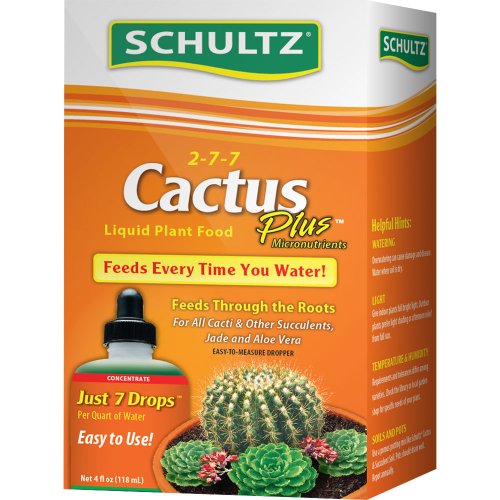
What Is the Best Plant Food for Christmas Cactus?
Your holiday cactus deserves the right nutrition to bloom year after year. This complete fertilizer guide explains NPK ratios, feeding schedules, and the exact nutrients that keep Schlumbergera healthy, green, and full of flowers.
Quick answer: The best plant food for a Christmas cactus is a balanced, water-soluble fertilizer (such as 10-10-10 or 20-20-20) diluted to half strength during the growing season, then switched to a low-nitrogen, high-phosphorus formula in late summer to trigger bud formation. Read on for the complete feeding schedule, nutrient breakdown, and troubleshooting tips.
Understanding What a Christmas Cactus Really Needs
The Christmas cactus (Schlumbergera) is an epiphyte native to the humid coastal forests of Brazil. Unlike desert cacti, it grows in organic debris on tree branches, so its roots are fine, shallow, and sensitive to salt accumulation. That biology shapes everything about how you should feed it: light, frequent, well-diluted nutrients beat heavy, infrequent doses every time.
A healthy feeding program supports three distinct phases — vegetative growth in spring, bud set in early fall, and blooming in winter. Each phase calls for a slightly different nutrient emphasis. If you are still sorting out the potting medium before you even think about fertilizer, our guide to the best potting soil for Christmas cactus is the right starting point, because soil quality determines how efficiently those nutrients are absorbed.
The Three Nutrients That Matter Most
| Nutrient | Role in Christmas Cactus Health | When It Matters Most |
|---|---|---|
| Nitrogen (N) | Drives green leafy growth and segment production | Spring through midsummer |
| Phosphorus (P) | Supports root development and flower bud formation | Late summer through bloom |
| Potassium (K) | Improves overall vigor, stem strength, and bloom quality | Year-round, especially before flowering |
| Calcium & Magnesium | Prevent segment discoloration and support chlorophyll production | Year-round (often present in tap water) |
Best Plant Food Types for Christmas Cactus
1. Balanced Water-Soluble Fertilizer (Best All-Round Choice)
A balanced water-soluble fertilizer with an NPK ratio around 10-10-10 or 20-20-20 is the most reliable, forgiving option for most growers. Dilute it to half the label strength and apply every two to four weeks from spring through early fall. Water-soluble formulas dissolve evenly, rinse cleanly through porous epiphyte soil, and let you fine-tune concentration easily — all important for a plant that dislikes salt buildup.
2. Low-Nitrogen Bloom Booster (Best for Bud Formation)
From late August through October, switch to a low-nitrogen, high-phosphorus formula such as 2-10-10. This shift nudges the plant away from vegetative growth and toward flower bud initiation. Many experienced growers treat this late-season switch as the single most important feeding decision of the year — it is often the difference between a leafy green plant and one covered in holiday blooms.
3. Slow-Release Granules (Best for Low-Maintenance Growers)
A light application of slow-release granules in spring can carry a Christmas cactus through much of the growing season with minimal effort. Use a modest amount — epiphytes are sensitive to concentrated salts — and supplement with a diluted liquid feed only if growth looks sluggish. Slow-release products are a good fit for busy gardeners who still want steady nutrition.
4. Organic and Compost-Based Options (Best for Natural Growing)
Worm castings tea, diluted fish emulsion, and compost extracts are gentle, biologically rich alternatives that suit the Christmas cactus's forest-floor origins. They release nutrients slowly and improve soil life. Because organic options vary in strength, always dilute conservatively and observe how the plant responds before increasing frequency.
Quality tiers at a glance: Budget-friendly balanced powders handle the basics well. Mid-tier water-soluble fertilizers with micronutrients offer steadier results and fewer deficiencies. Premium bloom-specific formulas provide the most predictable bud set for serious hobbyists. Entry-level organic teas are gentle and forgiving; high-end slow-release products offer the longest feeding windows but require careful dosing.
Seasonal Feeding Schedule for Christmas Cactus
- Spring (March–May): Resume feeding with a balanced formula at half strength every three to four weeks as new segments appear.
- Summer (June–August): Continue balanced feeding every two to four weeks. Ensure good drainage and never feed dry roots — water first, then fertilize.
- Early Fall (September–October): Switch to a low-nitrogen, high-phosphorus bloom formula. Feed every three to four weeks until buds are visible.
- Late Fall & Winter (November–February): Stop fertilizing entirely once buds form. Continue only watering as needed while the plant blooms and rests.
This rhythm mirrors the plant's natural cycle and prevents the two most common feeding mistakes: over-fertilizing in winter, and under-feeding during active growth. If you want to understand how light and temperature interact with this schedule, the broader principles in our soil and growing-medium guide for Mediterranean plants highlight how matching care to a plant's native environment produces the best results — the same logic applies here.
How to Apply Fertilizer Correctly
Always Dilute
Use half the label strength. Christmas cactus roots are fine and shallow, making them prone to fertilizer burn from concentrated solutions.
Water First, Then Feed
Applying fertilizer to dry soil can scorch roots. Water lightly first so the root zone is moist before nutrients arrive.
Flush Periodically
Every few months, water thoroughly with plain water until it drains freely to rinse away accumulated salts.
Watch the Leaves
Yellowing, limp segments, or white crust on the soil surface signal over-feeding. Reduce frequency and flush the pot.
Signs Your Christmas Cactus Needs More — or Less — Food
Under-feeding signs: Pale, yellowish new segments, slow growth in spring, and weak, spindly stems. These usually point to a nitrogen or general nutrient shortfall during the growing season.
Over-feeding signs: Soft, drooping segments, white mineral crust on the soil, leaf drop, or lots of leafy growth with no buds in fall. Excess nitrogen is the most common culprit — it pushes foliage at the expense of flowers.
If the plant looks generally stressed despite a reasonable feeding schedule, review its light and moisture needs. Our guide to easy-care indoor plants covers the general care principles that keep houseplants resilient between feedings.
Frequently Asked Questions
What is the best NPK ratio for Christmas cactus?
A balanced 10-10-10 or 20-20-20 water-soluble fertilizer diluted to half strength works well during the growing season. In late summer and early fall, switch to a low-nitrogen, high-phosphorus formula such as 2-10-10 to encourage bud formation.
How often should I fertilize a Christmas cactus?
Feed every two to four weeks from spring through early fall while the plant is actively growing. Stop fertilizing in late fall and winter when the plant enters its rest and blooming phase.
Can I use regular houseplant fertilizer on a Christmas cactus?
Yes, but always dilute it to half strength. Christmas cactus is sensitive to salt buildup, so a balanced, water-soluble houseplant fertilizer applied at reduced concentration is safer than full-strength feeding.
Why is my Christmas cactus not blooming even after fertilizing?
Blooming depends on light and temperature as much as nutrients. Christmas cactus needs long nights and cooler temperatures in early fall to set buds. Over-fertilizing with nitrogen can also produce leafy growth at the expense of flowers. Learn more about general plant health in our indoor plant care guide.
Ready to Feed Your Christmas Cactus Right?
Browse our recommended fertilizer and supply picks below — chosen to match the feeding schedule and nutrient needs covered in this guide.