What Is the Best Potting Soil for Christmas Cactus?
Discover the ideal soil mix for your Schlumbergera to thrive, bloom beautifully, and stay healthy year after year. Expert guidance on drainage, pH, and organic matter.
The Christmas cactus (Schlumbergera) is a beloved holiday plant known for its vibrant, tubular flowers that bloom in shades of pink, red, white, and purple. Unlike desert cacti, this tropical epiphyte is native to the humid coastal forests of Brazil, where it grows on tree branches and rocks, absorbing moisture from the air and organic debris. This unique growing habit means that the best potting soil for Christmas cactus must replicate its natural environment—light, airy, well-draining, and rich in organic matter.
Choosing the wrong soil is one of the most common mistakes that leads to root rot, yellowing segments, and poor blooming. In this comprehensive guide, we'll explore the ideal soil characteristics, recommend specific mixes, and provide a DIY recipe so you can create the perfect home for your Christmas cactus.
Why the Right Soil Matters for Christmas Cactus
Christmas cacti are epiphytes, meaning they don't grow in traditional garden soil. In their natural habitat, their roots are exposed to air and organic matter that drains quickly. When grown indoors, using a heavy, dense potting mix can suffocate the roots, retain too much moisture, and cause rot. The right soil provides:
- Excellent drainage: Prevents water from pooling around the roots and causing rot.
- Aeration: Allows oxygen to reach the roots, which is essential for healthy growth.
- Moisture retention: Retains just enough water to keep the plant hydrated without becoming waterlogged.
- Proper pH: Christmas cacti prefer slightly acidic soil (pH 5.5–6.5) for optimal nutrient uptake.
- Organic matter: Provides nutrients and mimics the leaf litter found in their natural habitat.
Key Characteristics of the Best Potting Soil
When shopping for or mixing soil for your Christmas cactus, look for these essential characteristics:
| Characteristic |
Why It Matters |
Ideal Level |
| Drainage |
Prevents root rot and waterlogged soil |
Excellent (fast-draining) |
| Aeration |
Provides oxygen to roots |
High (porous structure) |
| pH |
Ensures nutrient availability |
Slightly acidic (5.5–6.5) |
| Organic Matter |
Mimics natural leaf litter habitat |
Moderate to high |
| Moisture Retention |
Keeps roots hydrated without soggy conditions |
Balanced (moist but not wet) |
A high-quality mix will typically contain ingredients like peat moss or coco coir (for moisture retention), perlite or pumice (for drainage and aeration), and orchid bark or coarse sand (for structure). Avoid heavy garden soil or mixes that contain a lot of vermiculite, which can hold too much water.
Best Commercial Potting Mixes for Christmas Cactus
While you can create your own mix, many gardeners prefer the convenience of a ready-made potting soil. Here are the types of commercial mixes that work well for Christmas cactus, categorized by quality tier:
Orchid Potting Mix Premium
Orchid mixes are designed for epiphytes and typically contain bark, perlite, and peat moss. They offer excellent drainage and aeration, making them an ideal choice for Christmas cactus. Look for a mix with fine to medium-grade bark.
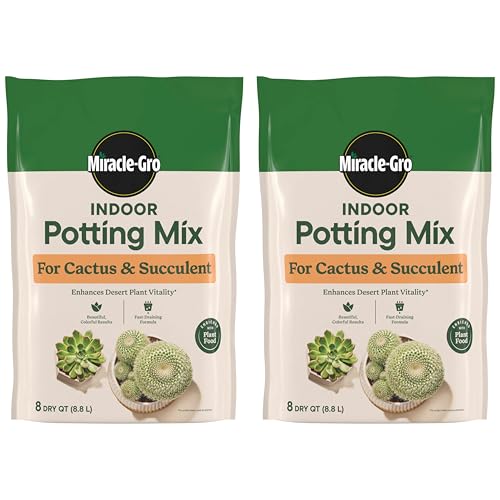
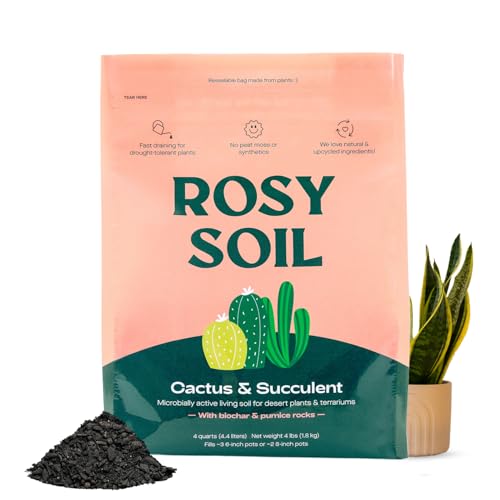
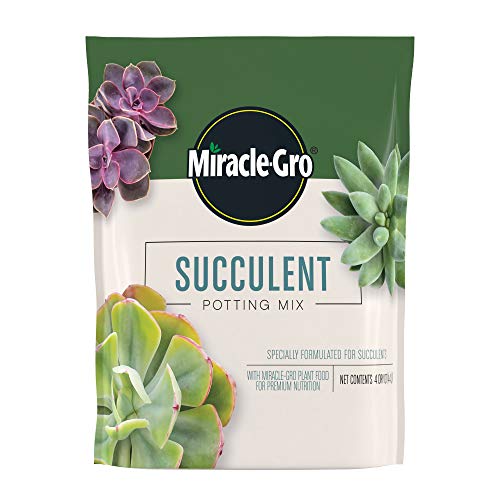
Cactus and Succulent Potting Mix Mid-range
These mixes are formulated for fast drainage and contain ingredients like pumice, perlite, and coarse sand. While designed for desert cacti, they can work for Christmas cactus if amended with a bit of organic matter like peat moss or compost to increase moisture retention.
African Violet Potting Mix Entry-level
African violet mixes are light, airy, and rich in organic matter. They drain well but retain some moisture, which is suitable for Christmas cactus. However, you may need to add perlite to improve drainage further.
General Purpose Potting Mix (Amended) Budget-friendly
A standard potting mix can be used if you amend it with perlite (about 30–40% by volume) to improve drainage. Avoid mixes that contain a lot of vermiculite or are labeled "moisture control," as they can hold too much water.
DIY Potting Soil Recipe for Christmas Cactus
If you prefer to mix your own soil, here's a simple, effective recipe that provides excellent drainage, aeration, and organic matter:
Homemade Christmas Cactus Mix Premium
- 40% orchid bark (fine to medium grade) — provides structure and drainage
- 30% peat moss or coco coir — retains moisture and adds organic matter
- 20% perlite or pumice — improves aeration and drainage
- 10% coarse sand or horticultural charcoal — adds weight and prevents compaction
Mix all ingredients thoroughly and use within a few days. Store any leftover mix in an airtight container.
This recipe mimics the natural environment of the Christmas cactus, providing a light, airy medium that drains quickly while retaining enough moisture to keep the roots happy.
Common Soil Mistakes to Avoid
- Using garden soil: Garden soil is too heavy and dense, leading to poor drainage and root rot.
- Overwatering: Even with the right soil, overwatering can cause problems. Allow the top inch of soil to dry out between waterings.
- Using moisture-control mixes: These mixes contain water-retaining crystals that can keep the soil too wet for too long.
- Ignoring pH: Christmas cacti prefer slightly acidic soil. If your mix is too alkaline, add a small amount of peat moss to lower the pH.
- Repotting too often: Christmas cacti prefer to be slightly root-bound. Repot every 2–3 years or when the plant outgrows its container.
Repotting Your Christmas Cactus
When it's time to repot your Christmas cactus, follow these steps to ensure a smooth transition:
- Choose a pot that is 1–2 inches larger in diameter than the current pot, with drainage holes.
- Water the plant lightly a day before repotting to make the roots more pliable.
- Gently remove the plant from its pot and shake off excess soil from the roots.
- Fill the new pot about one-third full with your chosen soil mix.
- Place the plant in the pot and fill in around the roots with more soil, pressing gently.
- Water thoroughly and allow the excess to drain away.
- Keep the plant in a shaded area for a few days to recover before moving it back to its normal spot.
The best time to repot is in spring or early summer, after the blooming season has ended. Avoid repotting while the plant is budding or blooming, as this can cause stress and bud drop.
Frequently Asked Questions
Can I use regular potting soil for Christmas cactus?
Regular potting soil is too dense and retains too much moisture for Christmas cactus. If you must use it, amend it with perlite or orchid bark to improve drainage and aeration.
How often should I water my Christmas cactus?
Water when the top inch of soil feels dry to the touch. In general, this means watering every 1–2 weeks, depending on your home's humidity and temperature. Reduce watering during the dormant period after blooming.
Does Christmas cactus need special soil?
Yes, Christmas cactus benefits from a light, well-draining, epiphyte-friendly mix. Orchid mix or a DIY blend of bark, perlite, and peat moss is ideal.
What is the best pH for Christmas cactus soil?
Christmas cactus prefers slightly acidic soil with a pH between 5.5 and 6.5. This range ensures optimal nutrient availability.
Can I use cactus mix for Christmas cactus?
Cactus mix can work, but it's designed for desert cacti and may be too lean and fast-draining. Amend it with a bit of peat moss or compost to increase moisture retention and organic matter.
How do I know if my Christmas cactus soil is too wet?
Signs of overly wet soil include yellowing segments, mushy stems, and a sour smell. If you notice these symptoms, stop watering, improve drainage, and consider repotting in fresh, well-draining soil.
Ready to Give Your Christmas Cactus the Perfect Home?
Browse our recommended potting mixes and gardening supplies below to find everything you need for a thriving Christmas cactus.
Shop Recommended Supplies