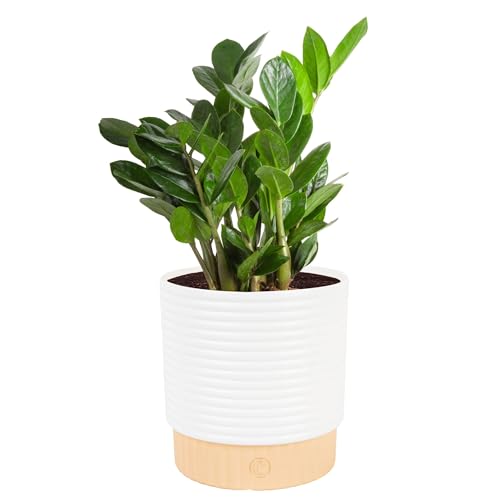
What Is a Zanzibar Gem Plant?
The Zanzibar Gem — scientifically known as Zamioculcas zamiifolia — is a tropical perennial plant native to eastern Africa, particularly Zanzibar and Tanzania. It is the only species in its genus and belongs to the Araceae family, making it a relative of peace lilies and philodendrons. Despite its exotic origins, the Zanzibar Gem has become a household favorite worldwide thanks to its striking appearance and almost indestructible nature.
The plant features thick, glossy, dark green leaves that grow along fleshy stems, giving it a sculptural, almost artificial look. Its leaves are so shiny that some people mistake them for plastic. Beneath the soil, the Zanzibar Gem stores water in large, potato-like rhizomes, which is why it can survive weeks — even months — without watering. This natural water reservoir makes it an ideal choice for busy plant owners, frequent travelers, and anyone who has struggled with more demanding houseplants.
The ZZ Plant is often recommended alongside other low-maintenance indoor plants like the best plants to grow indoors for air purification and tall indoor plants that don't need much light. Its ability to thrive in dim corners and forgetful watering schedules has earned it a reputation as one of the most forgiving houseplants on the market.
Essential Care Requirements
Caring for a Zanzibar Gem is remarkably straightforward. The plant has evolved to survive harsh conditions in its native habitat, and it brings that resilience into your home. Here are the key care requirements summarized:
⚡ The Golden Rule of ZZ Plant Care
When in doubt, do less. The Zanzibar Gem thrives on neglect. Overwatering is the number one killer of this plant — not underwatering. If you're unsure whether to water, wait another week. The plant will thank you.
- Light: Low to bright indirect light (avoid direct sun)
- Water: Every 2–3 weeks, allowing soil to dry completely
- Soil: Well-draining potting mix with perlite or sand
- Temperature: 60–75°F (15–24°C); avoid cold drafts
- Humidity: Average household humidity is fine
- Fertilizer: Once every 2–3 months during growing season (optional)
- Repotting: Every 2–3 years or when root-bound
Light: How Much Does It Really Need?
The Zanzibar Gem is famous for its ability to tolerate low light, but "tolerate" doesn't mean "prefer." The plant will survive in a dim corner, but it will grow very slowly and may produce smaller, darker leaves. For optimal growth, place your ZZ Plant in bright, indirect light — near a window that receives filtered sunlight or in a room with plenty of ambient light.
Direct sunlight should be avoided, as the glossy leaves can scorch and turn brown. If you notice the leaves developing yellow or brown patches, move the plant away from the window or use a sheer curtain to diffuse the light. Interestingly, the Zanzibar Gem's light flexibility makes it a great companion to other shade-tolerant plants like the spider plant hanging basket and the tall indoor plants that don't need much light.
Watering: The #1 Secret to Success
If there is one thing that determines the success or failure of your Zanzibar Gem, it's watering. This plant stores water in its thick rhizomes, which means it can go weeks — even a month or more — without a drink. Overwatering is the most common mistake and leads to root rot, which is often fatal if not caught early.
How Often Should You Water?
Water your ZZ Plant every 2–3 weeks, but always check the soil first. Stick your finger about an inch into the soil — if it feels dry, it's time to water. If it's still moist, wait. During winter, when the plant is dormant, you may only need to water once a month or even less. The key is to let the soil dry completely between waterings.
Signs of Overwatering
- Yellowing or mushy leaves
- Brown, soft stems
- Foul odor from the soil
- Leaves dropping suddenly
Signs of Underwatering
- Leaves curling inward
- Dry, crispy leaf tips
- Slow growth (though this is normal for the plant)
When you do water, water thoroughly until water drains out of the bottom of the pot, then empty the saucer. Never let the pot sit in standing water. If you're looking for the right watering tools, check out our guide on watering cans for precise, gentle watering.
Soil and Potting Mix
The Zanzibar Gem needs well-draining soil to prevent root rot. A standard potting mix works, but it should be amended with perlite, coarse sand, or pumice to improve drainage. A mix of 60% potting soil, 20% perlite, and 20% coarse sand is ideal. Avoid heavy, moisture-retaining soils, and always use a pot with drainage holes.
If you're repotting, choose a pot that is only slightly larger than the current one — the ZZ Plant actually prefers being slightly root-bound. Repot every 2–3 years or when you see roots emerging from the drainage holes. For more on soil and potting mixes, see our guide on what soil should I use for aloe vera plant — many of the same principles apply.
Temperature and Humidity
The Zanzibar Gem is comfortable in average household temperatures between 60°F and 75°F (15°C–24°C). It does not tolerate cold drafts or temperatures below 45°F (7°C), so keep it away from drafty windows and doors during winter. The plant is not fussy about humidity and does well in the typical 40–50% humidity found in most homes. If your home is extremely dry, you can place a tray of water near the plant, but this is rarely necessary.
Fertilizing Your ZZ Plant
Fertilizing is optional for the Zanzibar Gem, as it is a slow grower and doesn't require much nutrition. If you want to encourage growth, apply a balanced liquid fertilizer diluted to half strength once every 2–3 months during the growing season (spring and summer). Avoid fertilizing in fall and winter when the plant is dormant. Over-fertilizing can cause leaf burn and salt buildup in the soil.
How to Propagate a Zanzibar Gem
Propagating a Zanzibar Gem is rewarding but requires patience. There are three main methods: division, stem cuttings, and leaf cuttings. Each has its own timeline and difficulty level.
1. Division (Easiest)
When repotting, gently separate the rhizomes and their attached stems, ensuring each division has roots. Pot each division in fresh soil and water lightly. This method is the fastest way to get a new plant and is best done in spring or summer.
2. Stem Cuttings
Cut a healthy stem with a few leaves attached, let it callus over for a day, then place it in water or moist perlite. Roots will develop in 4–8 weeks. Once roots are established, pot the cutting in well-draining soil.
3. Leaf Cuttings (Slowest)
Remove a single leaf and place it in a small pot with moist potting mix, keeping it warm and humid. This method can take several months to produce a new rhizome and shoot. Be patient — the reward is worth it.
For more propagation tips and techniques, explore our full guide on plant propagation.
Common Problems and Solutions
Even though the Zanzibar Gem is tough, it can run into a few issues. Here's how to diagnose and fix them:
| Problem | Likely Cause | Solution |
|---|---|---|
| Yellow leaves | Overwatering or poor drainage | Reduce watering, check drainage, repot in fresh soil if root rot is suspected |
| Brown, crispy leaf tips | Underwatering or low humidity | Water more regularly, but ensure soil dries between waterings |
| Leggy, sparse growth | Too little light | Move to a brighter spot with indirect light |
| Musky odor from soil | Root rot from overwatering | Remove affected roots, repot in fresh, dry soil, reduce watering |
| White spots on leaves | Mineral deposits from tap water | Wipe with a damp cloth, use filtered water |
Toxicity and Pet Safety
The Zanzibar Gem is toxic to cats and dogs if ingested. It contains calcium oxalate crystals, which can cause oral irritation, drooling, vomiting, and difficulty swallowing. While it is not usually fatal, it can cause significant discomfort. If you have pets, keep the plant out of reach or choose pet-safe alternatives. For more pet-friendly plant options, see our list of non-toxic plants for cats.
Ready to Add a Zanzibar Gem to Your Home?
Browse our recommended selection of ZZ plants and essential care tools below. These are the products our readers love most.
VIEW RECOMMENDED PRODUCTSPros and Cons of the Zanzibar Gem
✅ Pros
- Extremely low maintenance
- Tolerates low light
- Drought-tolerant (great for travelers)
- Resistant to most pests
- Air-purifying qualities
- Attractive, glossy foliage
- Slow-growing (rarely needs repotting)
❌ Cons
- Toxic to pets
- Slow growth (may frustrate impatient gardeners)
- Sensitive to overwatering
- Can be more expensive than common houseplants (mid-tier pricing)
How the Zanzibar Gem Compares to Other Low-Light Plants
The Zanzibar Gem is often compared to other popular low-light houseplants. Here's how it stacks up:
| Plant | Light Needs | Watering Frequency | Pet Safety | Maintenance |
|---|---|---|---|---|
| Zanzibar Gem (ZZ Plant) | Low to bright indirect | Every 2–3 weeks | Toxic | Very low |
| Snake Plant | Low to bright indirect | Every 2–4 weeks | Toxic | Very low |
| Spider Plant | Bright indirect | Weekly | Pet-safe | Low |
| Pothos | Low to bright indirect | Every 1–2 weeks | Toxic | Low |
| Peace Lily | Low to medium indirect | Weekly | Toxic | Moderate |
As you can see, the Zanzibar Gem holds its own against other low-maintenance champions. Its drought tolerance and slow growth make it particularly well-suited for busy households. If you're looking to expand your indoor garden, check out our guides on air-purifying indoor plants and non-toxic plants for cats.