Zero Turn Riding Lawn Mowers For Sale Near Me: Your Complete Buying Guide
Searching for "zero turn riding lawn mowers for sale near me"? This expert guide breaks down deck sizes, engine options, comfort features, and ownership considerations so you can choose the right zero turn mower with confidence.
Why this guide matters: A zero turn riding mower is one of the most significant outdoor power equipment purchases a homeowner can make. It can cut mowing time dramatically, deliver a cleaner finish, and handle large or complex lawns with ease. But with dozens of brands, deck configurations, and engine choices available, the research phase can feel overwhelming. Below you will find a structured, jargon-free breakdown of everything you need to know before you buy — from hydrostatic drive systems to deck materials and local dealer considerations.
What Is a Zero Turn Riding Lawn Mower?
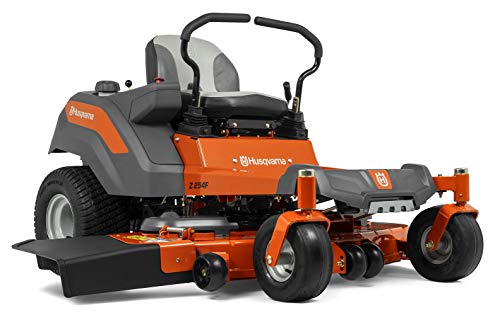
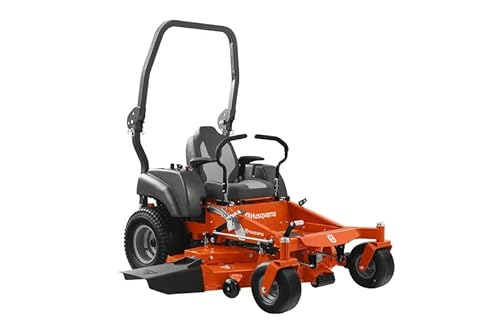
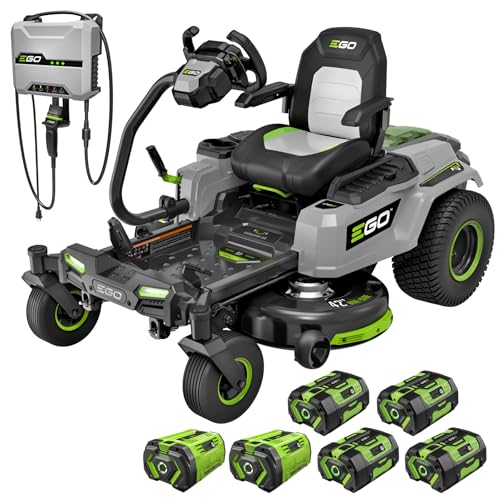
A zero turn riding lawn mower — often called a zero turn radius mower or ZTR — is a ride-on mower that uses independent hydraulic wheel motors to steer the rear wheels. Instead of a traditional steering wheel and front-wheel steering, the operator controls speed and direction with two lap bars (or, on some models, a steering wheel). This design allows the mower to pivot in place, making tight turns around trees, flower beds, and landscaping features without the back-and-forth maneuvering required by conventional riding mowers.
The practical result is a dramatic reduction in trimming time. Where a lawn tractor might need several passes and hand trimming around obstacles, a zero turn mower can navigate those same areas in a single, fluid motion. If your property includes landscaping ideas for front of house flower beds or intricate bed layouts, the maneuverability advantage becomes especially pronounced.
Key Features to Evaluate Before You Buy
Understanding the core components of a zero turn mower helps you compare models on equal footing. The following feature categories are the ones that most directly affect performance, durability, and long-term satisfaction.
Deck Size & Cutting Width
Residential zero turn mowers typically offer decks ranging from 42 to 54 inches. A 42-inch deck suits smaller, gated yards; a 48- to 54-inch deck is ideal for larger open lawns. Wider decks cut more grass per pass but require more storage space and careful navigation around tight obstacles.
Engine & Drive System
Engine options range from reliable single-cylinder units to powerful V-twin engines. The drive system — usually hydrostatic — determines how smoothly the mower accelerates and turns. Mid-range models generally offer smoother hydrostatic response and better cooling than entry-level units.
Frame & Deck Construction
Fabricated steel decks and welded tubular frames deliver superior durability compared to stamped decks. Premium models often use thicker gauge steel and reinforced spindle assemblies, which translate to longer service life and fewer vibration-related issues.
Comfort & Ergonomics
High-end zero turn mowers include suspension seats, adjustable lap bars, vibration-dampening floor mats, and ergonomic control layouts. These features matter for larger properties where mowing sessions can exceed an hour.
Deck Size Comparison at a Glance
The table below summarizes how deck width relates to typical property size and maneuverability. Use it as a starting reference, not a rigid rule — your specific landscape layout will ultimately determine the best fit.
| Deck Width | Best For | Maneuverability | Typical Tier |
|---|---|---|---|
| 42 inches | Small to medium lawns, gated yards, properties with many obstacles | Excellent — fits through most standard gates | Entry-level to mid-range |
| 46–48 inches | Medium lawns, mixed landscaping, residential properties | Very good — balanced width and agility | Mid-range |
| 52–54 inches | Large open lawns, rural properties, commercial use | Good — best on open ground | Mid-range to premium |
| 60+ inches | Very large acreage, estate lawns, professional landscaping | Moderate — requires wide clearance | Premium to luxury |
New vs. Used: What to Consider
Many buyers begin their search with the phrase "zero turn riding lawn mowers for sale near me" and quickly discover that the market includes both new dealer inventory and a robust used market. Each path has distinct advantages.
Buying New
New mowers come with factory warranties, dealer support, and the latest engine and deck designs. You also get the peace of mind of knowing the machine's full service history. For buyers who prioritize reliability and long-term support, new is often the safer route. If you are comparing new battery-powered options as well, see our guide to the top-rated self-propelled battery-powered lawn mowers for a complementary perspective on electric equipment.
Buying Used
The used market can offer substantial value, particularly for premium brands that hold up well over time. However, inspection is critical: check the hydrostatic drive, deck spindles, belts, and frame welds. Hour meters tell only part of the story. For buyers exploring pre-owned options, our guide to used zero turn riding lawn mowers for sale near me covers inspection checklists and negotiation points in detail.
How to Evaluate a Zero Turn Mower in Person
When you visit a dealer or a private seller, bring a focused inspection routine. The following checklist covers the areas most likely to reveal hidden issues.
- Hydrostatic drive response: Test forward, reverse, and turning at low speed. The mower should respond smoothly without lag or whining noises that suggest pump wear.
- Deck condition: Inspect the underside for rust, cracks, or bent edges. Check spindle bearings for play by rocking the blades gently.
- Engine health: Start the engine from cold if possible. Listen for consistent idle, check for smoke, and inspect oil and air filter condition.
- Frame and welds: Look for cracks at stress points, especially around the deck hangers and caster wheel mounts.
- Safety systems: Confirm that the seat safety switch, parking brake, and blade engagement controls function correctly.
- Tire condition: Worn rear tires affect traction and can indicate high hours; uneven wear may point to alignment issues.
Maintenance and Ownership Expectations
Zero turn mowers reward consistent maintenance. Routine tasks include engine oil changes, air filter replacement, blade sharpening, belt inspection, and hydrostatic fluid checks. Storing the mower under cover and keeping the deck clean after each use significantly extends service life.
For homeowners who also maintain a traditional lawn tractor or walk-behind mower, keeping a shared maintenance calendar helps. Our guides to string trimmers and sprinkler systems cover complementary equipment care that rounds out a complete lawn maintenance routine.
Landscape Considerations That Affect Your Choice
The best zero turn mower for your property depends heavily on your landscape layout. Properties with gentle slopes, mature trees, and defined bed lines tend to benefit most from the agility of a zero turn. Very steep slopes, however, may require a different approach — some homeowners combine a zero turn for flat areas with specialized equipment for embankments.
If you are planning landscape improvements alongside your mower purchase, resources on hardscaping and walkways and paths can help you design a yard that is both beautiful and easy to maintain with a zero turn mower.
Ready to Compare Models?
Explore our curated selection of zero turn riding lawn mowers and related lawn care equipment below. Each listing is chosen to help you evaluate options across quality tiers without the guesswork.
View Recommended Mowers ↓Frequently Asked Questions
What size zero turn mower do I need for a one-acre lawn?
For a one-acre lawn with typical obstacles, a 48- to 54-inch deck is usually a good balance of cutting efficiency and maneuverability. If the lawn is mostly open and flat, a 54-inch deck can reduce mowing time; if there are many trees and beds, a 48-inch deck may be more practical.
Are zero turn mowers good on slopes?
Zero turn mowers can handle gentle slopes, but they are not recommended for steep inclines due to their rear-wheel steering and higher center of gravity. Always follow the manufacturer's slope rating and consider a different mower type for very steep terrain.
How long does a zero turn mower last?
With proper maintenance, a quality residential zero turn mower can last 10 to 15 years or more. Commercial-grade models often exceed that lifespan. Regular oil changes, blade maintenance, and clean storage are the biggest factors in longevity.
Should I buy a zero turn mower with a steering wheel or lap bars?
Lap bars offer the most precise control and are the traditional zero turn configuration. Steering-wheel zero turn models can feel more familiar to first-time buyers and may reduce learning time. Both styles deliver zero turn capability; the choice comes down to personal comfort and intended use.
What should I check when buying a used zero turn mower?
Focus on the hydrostatic drive response, deck condition, engine health, frame welds, safety switches, and tire wear. Request service records if available, and test the mower under load if possible. A thorough inspection can reveal issues that a simple visual check would miss.
Final Thoughts
Choosing a zero turn riding lawn mower is a decision best made with clear information about your property, your maintenance habits, and your long-term expectations. Whether you lean toward an entry-level model for a modest yard or a premium machine for a larger property, the key is matching the mower's capabilities to your actual needs — not just the specifications on a showroom floor.
Use the product recommendations below as a starting point for comparison, and combine that research with the feature and inspection guidance in this guide. With the right preparation, your zero turn mower can deliver years of efficient, comfortable mowing.