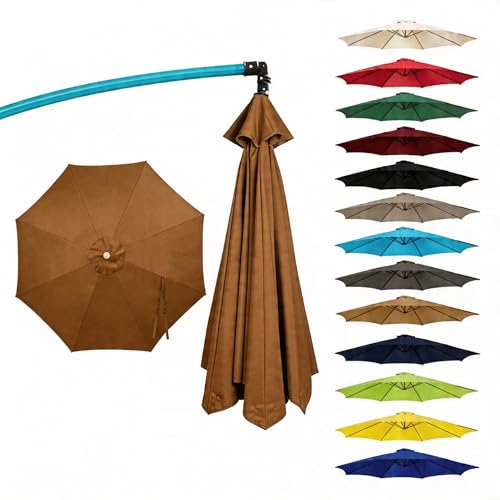
11 Ft Cantilever Umbrella Replacement Canopy With Zipper: The Complete Buying Guide
Restore your patio shade without replacing the entire umbrella. Learn how to choose the right zippered canopy, verify fit, and install it with confidence.
Why this guide matters: A faded, torn, or mildewed canopy does not mean your cantilever umbrella is finished. In most cases, replacing just the fabric top is the smartest and most sustainable solution. This guide walks you through everything you need to know about an 11 ft cantilever umbrella replacement canopy with zipper — from measuring your frame correctly to comparing fabric tiers and installing the new canopy step by step.
Why Replace Just the Canopy Instead of the Whole Umbrella?
Cantilever umbrellas are built around a sturdy offset frame, crank mechanism, and weighted base. These structural components typically outlast the fabric by several seasons. When only the canopy shows wear, replacing the fabric is the most efficient path forward.
- Cost-effective: A replacement canopy is a fraction of the investment compared to a new cantilever umbrella.
- Environmentally responsible: You keep the metal frame and base out of the waste stream.
- Design flexibility: A new canopy lets you refresh the color and style of your outdoor space without changing the footprint.
- Quick turnaround: Most zippered canopies can be installed in under an hour with basic tools.
If your frame is still stable and the crank operates smoothly, a replacement canopy is almost always the right call. If the arms are bent or the hub is cracked, consider whether a full umbrella replacement makes more sense. For patio layout inspiration that pairs well with offset shade, see our landscaping ideas.
What Is an 11 Ft Cantilever Umbrella Replacement Canopy With Zipper?
An 11 ft cantilever umbrella replacement canopy with zipper is a fabric cover designed to fit an offset umbrella frame with an 11-foot span. The zipper is the defining feature: instead of threading the canopy through the frame arms, you wrap the fabric around the hub and close the zipper, which secures the canopy in place.
This design is especially useful on cantilever umbrellas because the offset arms and rotating hub make traditional slot-in canopies difficult to install. A zippered canopy simplifies both installation and seasonal removal.
Key Components of a Replacement Canopy Set
- Fabric top: The main canopy panel, usually made from solution-dyed acrylic or high-density polyester.
- Zipper: A heavy-duty closure that wraps around the frame hub; often paired with a protective flap.
- Top cap or finial: Some sets include a vented top cap that improves airflow and reduces wind lift.
- Valance (optional): A hanging skirt along the canopy edge for a finished look.
Note that the frame, arms, crank, and base are typically not included. Always confirm what is in the box before ordering.
How to Verify Fit Before You Buy
Fit is the single most important factor in a successful canopy replacement. A canopy that is slightly too small will not tension properly; one that is too large will sag and flap. Follow these steps to confirm compatibility.
Step 1: Measure Your Existing Canopy
Measure across the widest point of the canopy from rib tip to opposite rib tip. If the canopy is still attached, measure the frame span instead. An 11 ft umbrella will measure approximately 11 feet across the widest span.
Step 2: Count the Ribs
Most cantilever umbrellas use 8 ribs, but 6-rib and 10-rib designs exist. The replacement canopy must match the rib count exactly, because the fabric panels are cut to align with each rib pocket.
Step 3: Check the Attachment Style
Confirm whether your frame uses a zippered attachment, a slot-in attachment, or a combination. This guide focuses on zippered canopies, but some frames accept either style. If your frame is a slot-in design, a zippered canopy may not seat correctly.
Step 4: Confirm the Model Number
Check the label on the frame or the original manual. Many manufacturers publish a compatibility chart listing which canopy models fit which frames. When in doubt, contact the seller with your frame model number before ordering.
Pro tip: Photograph your frame's hub and rib connections before ordering. Sellers can often confirm compatibility quickly when they see the attachment points.
Fabric Options: Acrylic vs. Polyester vs. Blends
The fabric determines how long your canopy will look good and how well it resists fading, mildew, and water. Use the table below to compare the three most common options.
| Fabric Type | Fade Resistance | Mildew Resistance | Water Repellency | Relative Tier |
|---|---|---|---|---|
| Solution-dyed acrylic | Excellent | Very good | Good (often treated) | Premium / top-tier |
| High-density polyester | Good | Good | Very good (often treated) | Mid-range / mid-tier |
| Polyester-cotton blend | Fair | Fair | Moderate | Entry-level / budget-friendly |
For most homeowners, solution-dyed acrylic is the best long-term choice because the color is locked into the fiber itself, which means it resists fading even under intense sun. High-density polyester is a strong mid-range option that balances durability and value. Blends are best reserved for covered patios or seasonal use.
Whichever fabric you choose, look for UV-resistant, water-repellent, and mildew-resistant treatments. A vented top cap also helps hot air escape, which reduces wind lift and condensation.
Why the Zipper Matters on a Cantilever Canopy
Cantilever umbrellas have a complex hub where the arms meet the central pole. Threading a traditional canopy through that hub is awkward and often requires two people. A zippered canopy solves this problem elegantly.
- Easier installation: Wrap the canopy around the hub, align the rib pockets, and close the zipper.
- Easier removal: Unzip and lift the canopy off without disassembling the frame.
- Better tension: A well-placed zipper lets you pull the fabric taut evenly around the hub.
- Cleaner look: A protective zipper flap hides the closure for a finished appearance.
Inspect the zipper quality before buying. Metal zippers with large teeth and a reinforced pull tend to last longer than plastic zippers. A zipper guard or flap also protects the closure from UV degradation.
Step-by-Step Installation Guide
Installing an 11 ft cantilever umbrella replacement canopy with zipper is a manageable DIY project. Set aside about 45 to 60 minutes and, if possible, recruit a helper for the initial lift.
What You Will Need
- The replacement canopy and any included top cap
- A step ladder (for taller cantilever frames)
- Clean cloth and mild soap for wiping down the frame
- Optional: silicone spray for stiff zippers
Installation Steps
- Lower the umbrella: Crank the canopy down and lock the tilt mechanism so the frame is stable.
- Remove the old canopy: Unzip the old canopy (if zippered) or unthread it from the rib pockets. Set it aside for recycling or disposal.
- Inspect and clean the frame: Wipe down the ribs and hub. Check for bent ribs or loose screws and tighten as needed.
- Lay out the new canopy: Spread the canopy on a clean, flat surface with the zipper facing up. Identify the rib pockets and the hub opening.
- Position the canopy: With a helper, lift the canopy over the frame and align the hub opening with the central hub.
- Insert the ribs: Slide each rib into its corresponding pocket. Work around the frame evenly to avoid tension imbalances.
- Close the zipper: Zip the canopy closed around the hub, then secure the zipper flap.
- Attach the top cap: If your set includes a top cap or finial, install it now.
- Test the crank: Open and close the umbrella slowly to confirm the canopy tensions evenly and the zipper stays closed.
Pro tip: If the zipper feels stiff, apply a small amount of silicone spray or zipper wax. Avoid petroleum-based lubricants, which can degrade the fabric over time.
Maintenance Tips to Extend Canopy Life
A replacement canopy is an investment, and a few simple habits will keep it looking new for years.
- Clean regularly: Rinse with mild soap and water, then air dry fully before closing the umbrella.
- Close in high wind: Cantilever canopies are vulnerable to wind lift. Close the umbrella when gusts are forecast.
- Store seasonally: If you live in a region with harsh winters, remove and store the canopy in a dry, ventilated space.
- Check tension: A canopy that flutters in light wind may need re-tensioning or a rib adjustment.
- Avoid harsh chemicals: Bleach and abrasive cleaners can strip protective coatings.
Pairing your shade setup with a solid outdoor dining surface makes the most of your patio. Explore our guide to an 8-person outdoor dining table with umbrella hole to complete the space.
How to Choose the Right Value Tier
Replacement canopies fall into three broad value tiers. Choosing the right one depends on your climate, how often you use the umbrella, and how long you want the canopy to last.
Entry-Level / Budget-Friendly
Entry-level canopies are typically made from polyester-cotton blends or lighter polyester. They are a good fit for covered patios, seasonal use, or anyone replacing a canopy on a frame that may itself be nearing the end of its life.
Mid-Range / Mid-Tier
Mid-range canopies use high-density polyester with UV and water-repellent treatments. This tier offers the best balance of durability and value for most homeowners, and it is the most popular choice for full-sun patios.
Premium / Top-Tier
Premium canopies use solution-dyed acrylic with reinforced stitching and heavy-duty zippers. They are the best choice for intense sun, coastal conditions, or anyone who wants the canopy to last many seasons. This tier is worth considering if your cantilever frame is a long-term investment.
Whichever tier you choose, confirm the rib count, span, and attachment style before ordering. A mid-range canopy that fits perfectly will outperform a premium canopy that does not.
Common Mistakes to Avoid
- Ordering by umbrella size only: An "11 ft umbrella" can have different rib counts and attachment styles. Always verify the specifics.
- Ignoring the zipper direction: Some canopies zip from the outside in, others from the inside out. Match the orientation to your frame.
- Skipping the frame inspection: Installing a new canopy on a bent frame will cause uneven tension and premature wear.
- Closing a wet canopy: Moisture trapped in the folds encourages mildew. Always air dry before closing.
- Using the wrong cleaner: Harsh detergents strip protective coatings. Mild soap is almost always the right choice.
Complementary Outdoor Living Upgrades
A refreshed canopy is a great opportunity to upgrade the rest of your patio. Consider these related improvements:
- A 6-person outdoor dining table with umbrella hole for smaller gatherings.
- An acacia wood outdoor dining table with umbrella hole for a natural, warm look.
- A 48-inch round glass patio table with umbrella hole to pair with offset shade.
- A 7-piece modular wicker sectional conversation set for lounge seating under the shade.
For more shade and structure ideas, browse our outdoor living inspiration and landscaping guides.
Frequently Asked Questions
What does an 11 ft cantilever umbrella replacement canopy with zipper include?
A replacement canopy set typically includes the fabric top with a zippered closure, and may include a top cap or finial. The frame, arms, and base are usually sold separately and are not part of the canopy replacement.
How do I know my cantilever umbrella needs an 11 ft canopy?
Measure the existing canopy across its widest point or check your umbrella's model number and manual. An 11 ft canopy is designed for frames that specify an 11-foot span. Measuring the rib length and comparing it to the replacement canopy's rib length is the most reliable method.
Why is a zippered canopy easier to install?
The zipper allows the canopy to be wrapped around the frame and closed securely, which is especially helpful on cantilever umbrellas where the arms and hub are complex. It reduces the need to disassemble the entire frame and makes seasonal removal simpler.
What fabric is best for a replacement canopy?
Solution-dyed acrylic and high-density polyester are the most common choices. Acrylic offers excellent fade and mildew resistance, while polyester is generally more budget-friendly. Look for UV-resistant, water-repellent, and mildew-resistant treatments for longer service life.
Can I replace just the canopy on a cantilever umbrella?
Yes, in most cases the canopy is designed to be replaceable. Confirm that the replacement matches your frame's rib count and span, and check whether your model uses a zippered or slot-in attachment before ordering.
Ready to Restore Your Patio Shade?
An 11 ft cantilever umbrella replacement canopy with zipper is the practical, sustainable way to bring new life to your outdoor space. Verify your frame's rib count and span, choose a fabric tier that matches your climate, and follow the installation steps above. With the right canopy, your cantilever umbrella can deliver years of comfortable shade.