African Violets: The Complete Care Guide for Healthy, Blooming Plants
Discover everything you need to grow vibrant African violets indoors. From watering techniques and lighting requirements to soil mixes, fertilization, and propagation — master the art of Saintpaulia care with confidence.
START LEARNINGWhy African Violets Deserve a Place in Your Home
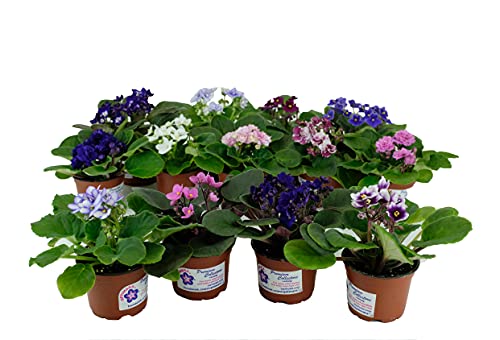
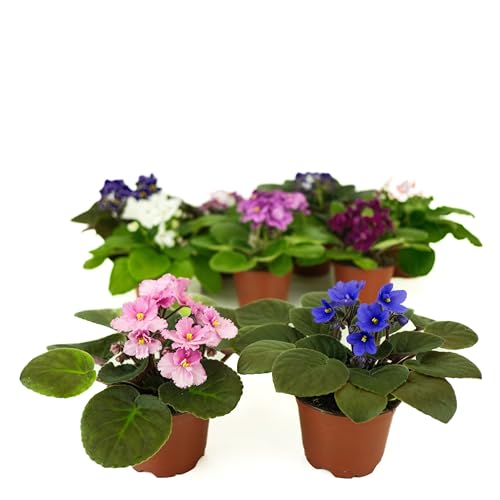
African violets (Saintpaulia ionantha) are among the most beloved flowering houseplants in the world — and for good reason. With their velvety leaves and clusters of delicate blooms in shades of purple, pink, white, and blue, these compact plants bring year-round color to windowsills, shelves, and tabletops. Native to the Usambara Mountains of Tanzania, African violets have been cultivated for over a century and now exist in thousands of named varieties, from tiny miniatures to large rosettes.
Unlike many flowering houseplants that require a rest period, African violets can bloom continuously when given the right conditions. They are also remarkably well-suited to indoor life, preferring the stable temperatures and filtered light of home environments. Whether you are a first-time plant parent or a seasoned collector, understanding their specific needs — especially their sensitivity to water on the leaves and their preference for bottom watering — is the key to success.
If you are building a collection of low-maintenance indoor plants, African violets pair beautifully with other humidity-loving varieties. Explore our guides on indoor plants for low light and high humidity and air-purifying plants for low light to create a thriving indoor garden. For those just starting out, our air-purifying plant guide offers excellent companion recommendations.
African Violet Care Basics: The Four Pillars
Successful African violet care rests on four fundamental pillars: light, water, soil, and temperature. Master these and you will be rewarded with vigorous growth and repeat blooms.
1. Light: Bright but Never Direct
African violets need bright, indirect light to bloom well. A north- or east-facing windowsill is ideal. If your only option is a south or west window, filter the light with a sheer curtain to prevent leaf scorch. In low-light conditions, a simple LED grow light positioned 6–12 inches above the plant for 12–14 hours daily works wonders. Rotate your plant a quarter turn each week so it grows evenly and does not lean toward the light source.
2. Water: Bottom-Watering Is Non-Negotiable
Water on African violet leaves causes permanent spotting and can lead to crown rot. Always water from the bottom by placing the pot in a saucer of room-temperature water for 20–30 minutes, then discard any excess. Alternatively, use a self-watering pot or a wick system. Allow the top inch of soil to dry slightly between waterings — typically every 5–7 days. Never use cold water, as it can shock the roots.
3. Soil: Light, Airy, and Well-Draining
Standard potting soil is too dense for African violets. Use a specialized mix containing peat moss, perlite, and vermiculite. This blend holds moisture without becoming waterlogged and allows fine roots to breathe. Repot every 6–12 months or when the plant outgrows its pot. Choose a pot that is roughly one-third the diameter of the leaf spread — African violets bloom best when slightly root-bound. For more on choosing the right growing medium for indoor plants, see our guide to potting soil for indoor plants without gnats.
4. Temperature and Humidity: Steady and Comfortable
African violets thrive at typical indoor temperatures of 65–75°F (18–24°C). Avoid placing them near drafty windows, heating vents, or air-conditioning units. They appreciate humidity of 50–60%, which you can provide with a pebble tray filled with water or a nearby humidifier. Do not mist the leaves — instead, raise ambient humidity around the plant.
Use room-temperature water and let it sit overnight to allow chlorine to dissipate. This simple step prevents leaf spotting and keeps roots happy.
Fertilizing African Violets for Continuous Blooms
African violets are heavy feeders relative to their size. A balanced, water-soluble fertilizer formulated specifically for African violets — typically with a higher phosphorus ratio — supports steady bloom production. Feed every 4–6 weeks during active growth, diluting to half strength to avoid salt buildup. If you prefer organic options, look for gentle, low-nitrogen formulas.
When selecting fertilizer, avoid products with high urea content, which can burn delicate roots. Always water the plant before fertilizing to prevent root shock. During the darker winter months, reduce feeding to every 8 weeks or pause entirely if growth slows. For companion plants that share similar feeding needs, our guide on organic potting soil for container vegetables and soil for raised bed vegetable gardens may be helpful if you are expanding your indoor and container garden.
Propagating African Violets: Grow Your Collection for Free
One of the joys of African violet ownership is how easily they propagate from leaf cuttings. Here is a simple step-by-step method:
- Select a healthy leaf from the middle or outer ring of the rosette — avoid very young or very old leaves.
- Cut the leaf stem at a 45-degree angle, leaving about 1–1.5 inches of stem attached.
- Let the cut end callous for 15–30 minutes to prevent rot.
- Insert the stem into a small pot of moist African violet soil or a perlite-peat mix, burying about half an inch of the stem.
- Cover with a clear plastic bag or place in a propagation dome to maintain humidity. Keep in bright, indirect light.
- Wait 4–8 weeks for tiny plantlets (pups) to emerge at the base. Once pups have 2–3 leaves, separate them and pot individually.
Water propagation in a small glass of water also works, but soil propagation produces stronger roots and fewer transplant shocks. Whichever method you choose, patience is key — African violets reward careful observation.
Popular African Violet Varieties to Explore
With thousands of registered cultivars, there is an African violet for every taste and space. Here are a few beloved categories:
Standard Varieties
Classic rosette form with single or double blooms in violet, pink, and white. Excellent for beginners and windowsill displays.
Miniatures & Semiminiatures
Compact plants under 6 inches across — perfect for small spaces, terrariums, and desk gardens. Require the same care in miniature.
Trailing Varieties
Spreading growth habit ideal for hanging baskets. Cascading stems covered in blooms create a spectacular display.
Variegated Foliage
Leaves edged or splashed with cream, pink, or white. Grown as much for foliage beauty as for flowers.
Fantasy & Star Varieties
Blooms with speckles, splashes, or star-shaped petals. Highly collectible and endlessly fascinating.
Chimera Varieties
Striped blooms with distinct color bands. Propagated by suckers rather than leaf cuttings to preserve the pattern.
If you are looking to expand your indoor plant collection further, our recommendations for air-quality plants for low light and air-purifying plants offer excellent companions that tolerate similar indoor conditions.
Troubleshooting Common African Violet Problems
Even experienced growers encounter issues. Here are the most common problems and how to solve them:
Yellowing Leaves
Often caused by overwatering, cold drafts, or too much direct sun.
No Blooms
Insufficient light, overpotting, or lack of phosphorus.
Brown Spots on Leaves
Usually caused by cold water droplets or direct sun.
Crown Rot
Water sitting in the crown of the plant causes fungal decay.
Leggy Growth
Uneven light causes the plant to stretch toward the source.
Pests (Thrips, Mealybugs, Mites)
Common indoor pests that attack stressed plants.
Seasonal African Violet Care Calendar
| Season | Key Tasks | Watch For |
|---|---|---|
| Spring | Repot if needed, resume regular fertilizing, propagate from leaves | New growth, pest activity |
| Summer | Maintain humidity, protect from hot afternoon sun, water more frequently | Leaf scorch, spider mites |
| Fall | Reduce fertilizer slightly, clean leaves, prepare for lower light | Slower growth, bud drop |
| Winter | Supplement light with grow lights, reduce watering, avoid cold windows | Crown rot, cold damage, dry air |
For gardeners who also maintain outdoor spaces, our guides on shrubs for full sun and small bushes for foundation planting can help you plan a landscape that complements your indoor plant passion.
Frequently Asked Questions About African Violets
How often should I water African violets?
Water when the top inch of soil feels dry — typically every 5–7 days. Always water from the bottom using a saucer or self-watering pot to keep leaves dry and prevent crown rot.
Why are my African violet leaves turning yellow?
Yellow leaves can indicate overwatering, cold drafts, too much direct sunlight, or nutrient deficiency. Check soil moisture first, ensure bright indirect light, and fertilize every 4–6 weeks with a balanced African violet formula.
Do African violets need special soil?
Yes — they thrive in light, airy, well-draining mixes containing peat moss, perlite, and vermiculite. Standard potting soil is too dense and retains too much moisture.
How do I get my African violet to bloom?
Provide bright indirect light for 12–14 hours daily, maintain consistent temperatures, fertilize with a bloom-boosting formula, and keep the plant slightly root-bound. Avoid overpotting.
Can African violets grow under artificial light?
Absolutely. A standard LED or fluorescent grow light placed 6–12 inches above the plant for 12–14 hours daily supports healthy growth and blooming, especially during darker months.
Are African violets toxic to pets?
African violets are considered non-toxic to cats and dogs by the ASPCA. However, it is always wise to discourage pets from chewing on any houseplant.
Continue Your Indoor Gardening Journey
African violets are just the beginning. If you enjoyed this guide, explore more of our expert resources for indoor and container gardening:
- Best Indoor Plants for Low Light and Clean Air — discover companion plants that thrive in similar conditions.
- Indoor Plants for Low Light and High Humidity — perfect for bathrooms and kitchens.
- Potting Soil for Indoor Plants Without Gnats — keep your indoor garden pest-free.
- Best Plants to Grow in a Raised Garden Bed — expand your gardening efforts outdoors.
- Where to Buy Pots for Plants Near Me — find the right containers for your African violets and more.
- Where to Buy Flowers to Plant Near Me — source healthy new plants for your home and garden.