
Balanced Fertilizer for Plants: The Complete Nutrient Guide
Give your garden the nutrition it craves. Discover the science of balanced fertilizer — NPK ratios, organic vs. synthetic, and feeding schedules for every plant type.
Shop Top-Rated Fertilizers →What Is Balanced Fertilizer?
A balanced fertilizer contains equal or near-equal proportions of the three primary macronutrients: Nitrogen (N), Phosphorus (P), and Potassium (K). These are the building blocks of plant health, and a balanced formula — such as 10-10-10 or 20-20-20 — delivers all three in a ratio that supports overall growth, flowering, and root development.
Unlike specialized fertilizers that target one aspect (like high-nitrogen for leafy greens or high-phosphorus for blooms), a balanced fertilizer is a versatile choice for general plant care. It's ideal for vegetable gardens, flower beds, houseplants, and even lawns. When you're unsure what your plants need, a balanced fertilizer is a safe and effective starting point.
Understanding NPK: What Those Numbers Mean
Every fertilizer label displays three numbers, representing the percentage by weight of N (Nitrogen), P (Phosphorus), and K (Potassium). Here's what each nutrient does:
🌱 Nitrogen (N)
Promotes vigorous leafy growth and vibrant green color. Essential for photosynthesis and protein production. Ideal for lawns, leafy vegetables, and fast-growing annuals.
🌸 Phosphorus (P)
Supports strong root development, flowering, and fruit production. Critical for transplanting, fruiting vegetables, and blooming flowers. Helps plants establish quickly.
🍎 Potassium (K)
Enhances overall plant health, disease resistance, and stress tolerance. Improves fruit quality, water regulation, and enzyme activation. Vital for perennials and fruiting plants.
⚖️ Balanced Ratio
Formulas like 10-10-10 or 14-14-14 deliver equal parts of all three. This balanced approach ensures no single nutrient dominates, making it a go-to for mixed plantings and general feeding.
💡 Quick Tip: For most home gardens, a balanced fertilizer with an NPK ratio of 10-10-10 or 14-14-14 works wonders. It provides a steady supply of nutrients without overstimulating one type of growth.
Organic vs. Synthetic Balanced Fertilizers
Both organic and synthetic balanced fertilizers can nourish your plants, but they work differently. Understanding the pros and cons will help you choose the right one for your garden.
🌿 Organic Fertilizers
Derived from natural sources like compost, manure, bone meal, or seaweed. They release nutrients slowly, improve soil structure, and encourage beneficial microbial life. They're eco-friendly and less likely to burn plants.
Examples: Espoma Garden-tone (4-6-6), Dr. Earth Premium Gold (4-4-4).
⚗️ Synthetic Fertilizers
Chemically formulated for fast nutrient delivery. They provide immediate results and precise NPK ratios. Ideal for correcting deficiencies quickly or feeding heavy feeders like tomatoes and roses.
Examples: Miracle-Gro All Purpose (24-8-16), Jack's Classic 20-20-20.
For most gardeners, a combination works best: use synthetic for quick boosts and organic for long-term soil health. If you're growing vegetables or herbs, organic options are often preferred to avoid chemical residues. For flowers and houseplants, synthetic balanced fertilizers are highly effective and easy to use.
How & When to Apply Balanced Fertilizer
Timing and method matter as much as the product itself. Follow these guidelines to maximize the benefits of your balanced fertilizer:
- Spring (March–May): Apply as plants break dormancy. This supports new growth and flower development. Ideal for perennials, shrubs, and lawns.
- Early Summer (June–July): A second application helps sustain vigorous growth, especially for vegetables and annual flowers.
- Fall (September–October): Light feeding prepares perennials for winter and strengthens roots. Avoid late-season nitrogen that encourages tender new growth.
- Houseplants: Feed every 4–6 weeks during the growing season (spring to early fall). Reduce feeding in winter.
Application Tips: Always water your plants before fertilizing to prevent root burn. Follow label instructions carefully — over-fertilizing is a common mistake. For granular fertilizers, apply evenly around the root zone and water in well. For liquid fertilizers, dilute as directed and apply during regular watering.
Top 5 Balanced Fertilizer Mistakes to Avoid
- Over-fertilizing: More is not better. Excessive nutrients can burn roots, cause salt buildup, and harm beneficial soil life. Stick to recommended rates.
- Ignoring Soil pH: Nutrient availability depends on pH. Test your soil and adjust if needed. Most plants thrive in slightly acidic to neutral soil (pH 6.0–7.0).
- Using the wrong ratio: While balanced is great for general use, some plants (like tomatoes or roses) may benefit from a higher phosphorus formula during blooming. Understand your plants' needs.
- Fertilizing dry soil: Always water before applying fertilizer to avoid root damage and ensure even distribution.
- Stopping too early: Continue feeding throughout the growing season to maintain steady growth. Plants need consistent nutrition, especially during flowering and fruiting.
Balanced Fertilizer Quick Reference
| Plant Type | Recommended NPK | Frequency | Best Time |
|---|---|---|---|
| Vegetable Gardens | 10-10-10 or 14-14-14 | Every 4–6 weeks | Spring & Summer |
| Flower Beds | 10-10-10 or 12-12-12 | Every 6–8 weeks | Spring to early Fall |
| Houseplants | 20-20-20 (diluted) | Every 4–6 weeks (growing season) | Spring & Summer |
| Lawns | 10-10-10 or 16-16-16 | Every 6–8 weeks | Spring & Fall |
| Shrubs & Trees | 10-10-10 or 14-14-14 | Twice a year | Early Spring & Late Fall |
Always adjust based on your specific plant's needs and soil conditions. When in doubt, a balanced fertilizer is a safe and effective choice.
Explore More Gardening Guides
If you're looking to fine-tune your plant care, we have a range of in-depth guides. For instance, understanding how much sun your aloe vera needs or learning how to get a Christmas cactus to bloom again can make a huge difference. For lawn enthusiasts, our natural clover removal guide and hydrangea pruning tips are must-reads.
Vegetable gardeners will benefit from our guide to determinate vs. indeterminate tomatoes and best practices for planting seed potatoes. For a well-rounded garden, explore our articles on fertilizing tomatoes and peppers in pots and pruning tomatoes for higher yields.
These resources are designed to complement your balanced fertilizer strategy, helping you grow healthier, more productive plants.
Shop the Best Balanced Fertilizers for Your Garden
⚠️ AFFILIATE DISCLOSURE: This website contains affiliate links. As an Amazon Associate, we earn from qualifying purchases. If you make a purchase through these links, we may receive a small commission at no additional cost to you. Read our full affiliate policy.

GARDENWISE 10-10-10 All Purpose Plant Food - Liquid Fertilizer with Seaweed Kelp & Iron - Indoor & Outdoor Plant Food, Vegetables, Flowers, Lawn & Garden 1x8oz

Miracle-Gro Water Soluble All Purpose Plant Food, 3 lb.

10-10-10 Plant Fertilizer Slow Release - 10 10 10 All Purpose Granular Garden Fertilizer for Vegetables, Tomato, Arborvitae, Shrubs, Rose, Flowers, Fruit, Fig Trees (1/2 Quart)

Indoor Plant Food – Liquid Fertilizer for Houseplants, New Growth, Greener Leaves, and Strong Roots, 8oz

Miracle-Gro Indoor Plant Food for All Plants, 8 fl. oz. (2-Pack)
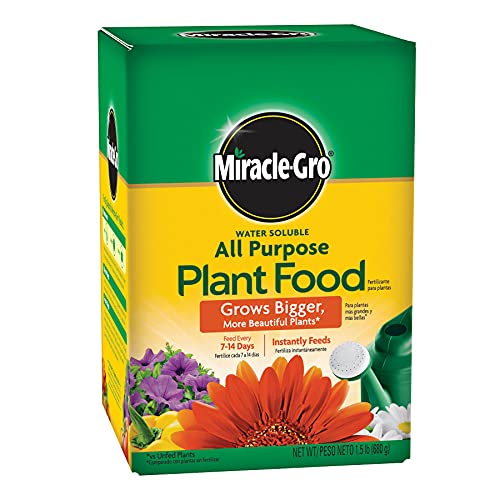
Miracle-Gro Water Soluble All Purpose Plant Food, 1.5 lbs.
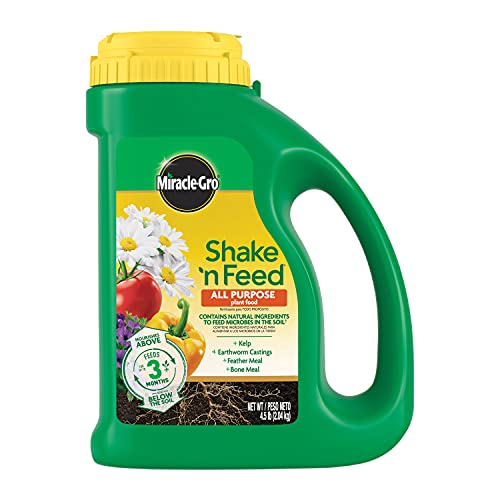
Miracle-Gro Shake 'N Feed All Purpose Plant Food, 4.5 lb.

Miracle-Gro Pour & Feed Plant Food, 32 fl. oz.
Disclaimer
Let Gardening provides educational content only. Not a substitute for professional horticulturist or landscape architect services. Always consult a qualified professional for major landscaping or agricultural work. Some content may use AI. We are not responsible for plant damage, injuries, or outcomes. By using this site, you accept these terms. If you do not agree, please leave this website and discontinue its use. Read full disclaimer.