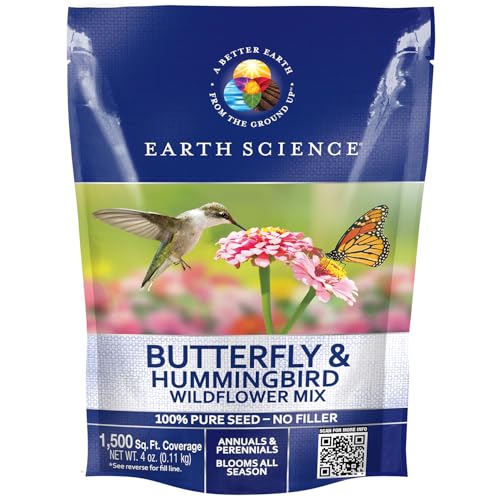
Best Flowers for Bees, Butterflies & Hummingbirds
Transform your garden into a vibrant pollinator haven. Learn which flowers attract bees, butterflies, and hummingbirds—and how to plant them for season-long color, movement, and ecological benefit.
Why pollinator-friendly flowers matter: Bees, butterflies, and hummingbirds are more than beautiful visitors—they are essential pollinators that support food crops, wild plant communities, and healthy ecosystems. This guide helps you choose the right flowers based on bloom time, flower shape, color preference, and regional climate so you can build a garden that feeds pollinators from early spring through late fall. Whether you are planting a balcony container or a full backyard meadow, the plant choices below are proven performers that reward you with life and color year after year.
Quick Comparison: Top Pollinator Flowers at a Glance
| Flower | Best For | Bloom Season | Light Needs | Value Tier |
|---|---|---|---|---|
| Lavender | Bees, butterflies | Late spring–summer | Full sun | Entry-level to mid-range |
| Purple Coneflower (Echinacea) | Bees, butterflies | Summer–early fall | Full sun | Entry-level |
| Bee Balm (Monarda) | Hummingbirds, bees, butterflies | Summer | Full sun to part shade | Entry-level to mid-range |
| Salvia | Hummingbirds, bees | Late spring–fall | Full sun | Mid-range |
| Butterfly Weed (Asclepias) | Monarchs, bees | Summer | Full sun | Entry-level |
| Lantana | Butterflies, hummingbirds | Summer–frost | Full sun | Mid-range |
| Zinnia | Butterflies, bees | Summer–frost | Full sun | Entry-level |
| Columbine | Hummingbirds, bees | Spring–early summer | Part shade | Entry-level to mid-range |
Best Flowers for Bees
Bees are attracted to flowers with open, shallow shapes that offer easy access to nectar and pollen. They favor blue, purple, white, and yellow blooms—and they need reliable food sources from early spring through late autumn. Plant in generous clusters so bees can forage efficiently. If you are also working on broader garden structure, consider pairing flowering beds with sturdy foundation shrubs that frame the garden without competing for pollinator attention.
Lavender
Fragrant purple spikes that bloom reliably in full sun and well-drained soil. Excellent for honeybees and native bees; drought-tolerant once established.
Tier: entry-level to mid-rangePurple Coneflower
A hardy perennial with daisy-like blooms. Bees love the raised cone; goldfinches later feed on seeds. Tolerates poor soil and heat.
Tier: entry-levelBorage
Star-shaped blue flowers that refill with nectar quickly. An annual that self-seeds readily—ideal for vegetable gardens and orchard edges.
Tier: entry-levelLungwort (Pulmonaria)
One of the first nectar sources for emerging bees in early spring. Prefers part shade and moist soil; pink-to-blue flower clusters.
Tier: mid-rangeBest Flowers for Butterflies
Butterflies need both nectar plants for adults and host plants for caterpillars. Flat-topped flowers provide landing pads, and bright colors—especially red, orange, yellow, and purple—act as visual beacons. Include a shallow water source and sun-warmed stones for basking. Many butterfly-friendly perennials pair beautifully with deer- and rabbit-resistant annuals to protect your investment without heavy fencing.
Butterfly Weed (Asclepias tuberosa)
Essential monarch host plant with vivid orange flower clusters. Thrives in full sun and sandy soil; deep taproot means it dislikes transplanting.
Tier: entry-levelZinnia
Easy annual with bold, flat blooms that butterflies love. Choose single-flowered varieties for easier nectar access; deadhead to extend bloom.
Tier: entry-levelJoe-Pye Weed
Tall native perennial with mauve flower heads that act as a butterfly landing pad in late summer and early fall. Prefers moist soil.
Tier: mid-rangeLantana
Heat-loving shrub with clustered flowers that change color as they age. A powerhouse for butterflies in warm climates and patios.
Tier: mid-rangeBest Flowers for Hummingbirds
Hummingbirds are drawn to tubular, trumpet-shaped flowers in red, orange, and pink—though they visit many colors. They need high-energy nectar and prefer flowers with a perch or the ability to hover. Plant in groupings and include early-blooming species for returning migrants. If you grow edibles alongside ornamentals, our guide to feeding container-grown tomatoes and peppers helps you balance pollinator borders with productive patio crops.
Bee Balm (Monarda)
Tubular flowers in red, pink, or purple. A top nectar source for hummingbirds; spreads readily, so give it room or divide regularly.
Tier: entry-level to mid-rangeSalvia
Spiky blooms that hummingbirds visit repeatedly. Choose perennial salvia in cool climates and annual types in cold zones for continuous color.
Tier: mid-rangeColumbine (Aquilegia)
Nodding, spurred flowers that open just as hummingbirds return in spring. Prefers part shade and rich, well-drained soil.
Tier: entry-level to mid-rangeTrumpet Vine (Campsis radicans)
Vigorous climber with orange-red trumpets; ideal for arbors and fences. Needs strong support and annual pruning to control spread.
Tier: mid-rangeHow to Design a Pollinator Garden That Works All Season
- Stagger bloom times. Aim for at least three flowers in bloom in spring, summer, and fall. Early bloomers like lungwort and columbine feed emerging bees and returning hummingbirds; late bloomers like Joe-Pye weed and asters sustain pollinators before winter.
- Plant in drifts, not singles. Pollinators forage more efficiently when flowers are grouped in patches at least 3–5 plants wide. Cluster by color and bloom time for visual impact and easy navigation.
- Match flower shape to visitor. Open, shallow flowers suit bees; flat-topped flowers suit butterflies; tubular flowers suit hummingbirds. A mix of shapes supports the widest range of pollinators.
- Skip pesticides. Even organic-approved sprays can harm caterpillars and bees. Rely on companion planting and hand removal instead—our guide to deer-resistant flowers can reduce browsing pressure without chemicals.
- Provide water and shelter. A shallow dish with pebbles gives butterflies and bees a safe drinking spot. Leave a small brush pile or bare patch of soil for ground-nesting native bees.
- Choose regionally appropriate plants. Native and adapted species require less water and support local pollinators best. Confirm hardiness and sun exposure before planting.
Season-by-Season Bloom Calendar
| Season | Flowers to Plant | Pollinators Served |
|---|---|---|
| Early Spring | Lungwort, Columbine, Willow | Emerging bees, returning hummingbirds |
| Late Spring | Lavender, Salvia, Catmint | Bees, butterflies, hummingbirds |
| Summer | Coneflower, Bee Balm, Butterfly Weed, Zinnia | All three groups at peak activity |
| Early Fall | Joe-Pye Weed, Aster, Lantana | Migrating butterflies, late bees |
| Late Fall | Asters, Goldenrod | Last nectar before frost |
Common Mistakes to Avoid
- Planting only hybrid doubles. Double-petaled flowers often lack accessible nectar and pollen. Include single-flowered varieties for pollinators.
- Ignoring host plants. Nectar alone does not sustain butterfly populations—caterpillars need host plants like milkweed, dill, and parsley.
- Overmulching. Thick mulch blocks ground-nesting bees. Leave some bare soil or use a thin layer in pollinator beds.
- Deadheading everything. Leave seed heads on coneflower and sunflower through winter for birds and overwintering insects.
- Forgetting water. A simple birdbath or pebble dish dramatically increases pollinator visits during hot, dry spells.
Frequently Asked Questions
What is the single best flower for all three pollinators?
Bee balm (Monarda) is hard to beat—it offers tubular flowers for hummingbirds, accessible nectar for bees, and flat landing areas for butterflies. It blooms in summer and returns reliably in most climates.
Can I create a pollinator garden in containers?
Yes. Choose compact varieties of zinnia, lantana, salvia, and lavender. Group containers together to create a micro-habitat, and keep a shallow water dish nearby. Use a quality potting mix and water consistently.
Do I need native plants?
Native plants are ideal because local pollinators co-evolved with them, but many non-invasive ornamentals also provide excellent nectar. Prioritize natives where possible, and always avoid invasive species.
How do I keep deer from eating my pollinator flowers?
Choose deer-resistant species like lavender, salvia, bee balm, and coneflower. Combine them with deer- and rabbit-resistant annuals and consider a low fence or repellent spray during peak browsing season.