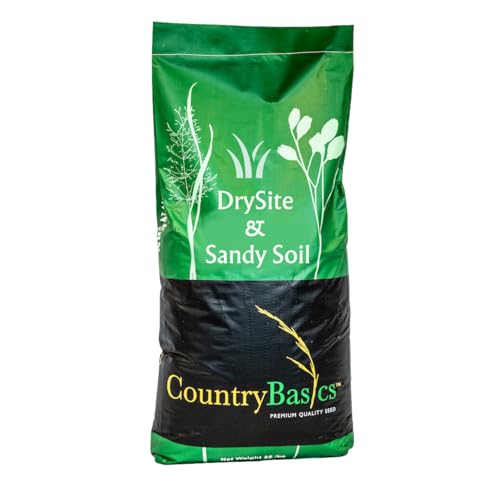
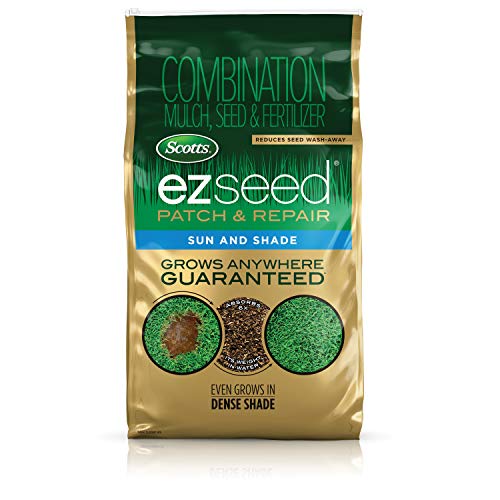
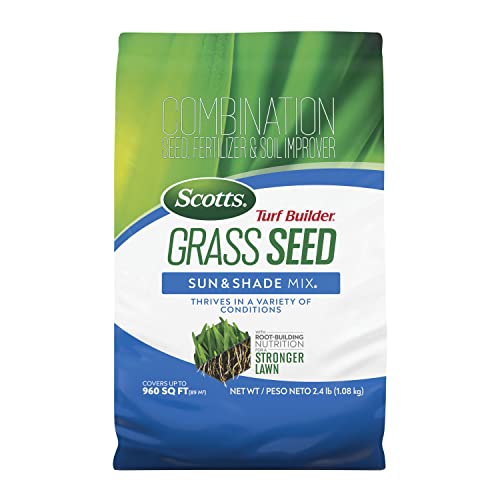
Best Grass Seed for Full Sun and Sandy Soil
Discover top-performing grass varieties that thrive in full sun and sandy soil. Get a lush, green lawn even in challenging conditions.
COMPARE TOP SEEDSLet Gardening Guide: Choosing the right grass seed for full sun and sandy soil is crucial for a healthy, resilient lawn. Sandy soil drains quickly and doesn't hold nutrients well, while full sun means intense heat and UV exposure. The best grass varieties are drought-tolerant, deep-rooted, and capable of thriving in these tough conditions.
Understanding Sandy Soil & Full Sun
Sandy soil is characterized by large particles that allow water and nutrients to drain rapidly. This means grass roots must grow deep to access moisture and food. Combined with full sun (6+ hours of direct sunlight), the lawn faces heat stress and drying out quickly. The ideal grass seed for this environment should have deep root systems, high drought tolerance, and excellent heat resistance.
When selecting grass seed, consider lawn and garden conditions specific to your region. Warm-season grasses like Bermuda and Zoysia are excellent choices for southern climates, while tall fescue is a versatile option for transition zones. Let's explore the top contenders.
Top 5 Grass Seed Varieties for Full Sun & Sandy Soil
Based on expert recommendations and real-world performance, here are the best grass seed options for full sun and sandy soil. Each variety is evaluated for drought tolerance, root depth, and overall resilience.
🌾 Bermuda Grass
Best for: Warm climates (USDA zones 7-10).
Bermuda grass is a top choice for full sun and sandy soil. Its deep root system (up to 6 feet) helps it access water deep in the soil. It's highly drought-tolerant and recovers quickly from heat stress.
- Excellent heat and drought tolerance
- Aggressive growth, fills bare spots fast
- Requires regular mowing
$45–$75 per 5 lbs
🌿 Zoysia Grass
Best for: Warm transition zones (USDA zones 6-11).
Zoysia is prized for its dense, carpet-like growth and excellent tolerance to heat and drought. It performs well in sandy soil due to its deep, extensive root system.
- Dense growth, chokes out weeds
- Moderate shade tolerance (but still loves sun)
- Slow to establish, but long-lasting
$60–$90 per 5 lbs
🌱 Tall Fescue
Best for: Cool-season and transition zones.
Tall fescue has a deep root system (up to 3 feet) and is more drought-tolerant than other cool-season grasses. It adapts well to sandy soil and full sun, especially improved varieties like 'Turf-Type Tall Fescue'.
- Deep roots, good drought tolerance
- Maintains color in moderate heat
- Low maintenance compared to Bermuda
$40–$65 per 5 lbs
🌻 Centipede Grass
Best for: Acidic sandy soils in the Southeast.
Centipede grass is a low-maintenance warm-season grass that thrives in sandy, acidic soils with full sun. It has moderate drought tolerance and requires less fertilizer than other warm-season grasses.
- Low fertilizer needs
- Good for poor, sandy soils
- Slow growth, less mowing
$50–$80 per 5 lbs
Grass Seed Comparison
| Variety | Sun Need | Drought Tolerance | Root Depth | Ideal USDA Zones |
|---|---|---|---|---|
| Bermuda | Full Sun | Excellent | Deep (6 ft) | 7-10 |
| Zoysia | Full Sun to Light Shade | Very Good | Deep | 6-11 |
| Tall Fescue | Full Sun to Partial Shade | Good | Moderate (3 ft) | 4-7 |
| Centipede | Full Sun | Moderate | Moderate | 7-10 |
How to Choose the Right Grass Seed
Selecting the best grass seed for your lawn depends on your location, maintenance preferences, and budget. Here are key factors to consider:
- Climate: Warm-season grasses (Bermuda, Zoysia) are best for hot summers, while tall fescue excels in cooler transition zones.
- Maintenance: Bermuda requires frequent mowing and fertilization. Zoysia and Centipede are lower-maintenance options.
- Watering: Sandy soil needs more frequent, light watering to keep moisture near the roots. Choose a variety with good drought tolerance.
- Soil Amendment: Adding organic matter like compost can improve sandy soil's water and nutrient retention, making it easier for grass to thrive.
For more advice on improving your soil, check out our guide on soil preparation for raised beds – the principles apply to sandy soil lawns as well.
Seeding & Care Tips for Sandy Soil
Once you've chosen your grass seed, follow these steps for the best results:
- Prepare the soil: Remove weeds, rake to create a smooth seedbed, and incorporate a starter fertilizer.
- Seed at the right rate: Follow the recommended seeding rate on the package (usually 2–4 lbs per 1,000 sq ft).
- Cover lightly: Rake seed into the top 1/4 inch of soil. For sandy soil, a light top-dressing of compost helps retain moisture.
- Water frequently: Keep the top inch of soil moist until germination (may require watering 2–3 times daily in hot weather).
- Mow high: Once the grass reaches 3–4 inches, mow to 2.5–3 inches to promote deep rooting.
For a broader lawn care strategy, consider reading about slow-release lawn fertilizer and weed control in tough areas to keep your lawn pristine.
FAQs: Best Grass Seed for Full Sun & Sandy Soil
Q: Can I plant grass seed in sandy soil without improving it?
Yes, but adding compost or peat moss will significantly improve water retention and nutrient availability, leading to a healthier lawn.
Q: Which grass seed is most drought-tolerant for sandy soil?
Bermuda grass and Zoysia grass are among the most drought-tolerant varieties for sandy soil and full sun.
Q: How often should I water grass in sandy soil?
Sandy soil drains quickly, so water deeply (1 inch) once or twice a week, rather than frequent shallow watering, to encourage deep roots.
Q: Is tall fescue a good choice for full sun?
Yes, improved turf-type tall fescue varieties perform well in full sun, especially in transition zones where summer heat is moderate.