Best Indoor Plants for Low Light & Clean Air
Transform dim corners and stuffy rooms into a thriving, breathable oasis. Discover the houseplants that purify your air while asking for almost nothing in return — and learn exactly how to choose and care for them.
See the Top PicksWhy this guide matters: If you're researching indoor plants for a low-light room, you've probably noticed that most "easy houseplant" lists ignore the two things that actually matter: does it survive in shade, and does it genuinely improve air quality? This guide answers both questions with real-world care guidance, so you can buy with confidence instead of guesswork.
Why Low-Light, Clean-Air Plants Are Worth It
Low-light areas — north-facing rooms, basements, hallways, and office corners — are where most houseplants fail. But a select group of species evolved under forest canopies and thrive in exactly these conditions. Many of these same plants also have documented air-purifying abilities, filtering common volatile organic compounds (VOCs) such as formaldehyde, benzene, and trichloroethylene from indoor air.
If your goal is a fresher home, it helps to understand that air quality is a broader project than plants alone. Pairing the right houseplants with proper ventilation and consistent watering routines makes the biggest difference. For a deeper look at the science and species behind cleaner indoor air, see our guide to the best indoor plants for air quality and low light.
How We Evaluated These Plants
Every recommendation below was assessed on four practical criteria: light tolerance (can it survive without direct sun?), air-purifying reputation (backed by published research or long-standing horticultural consensus), care difficulty (how forgiving is it for beginners?), and availability (can you actually find it at a local nursery or online?). We deliberately excluded plants that need bright, direct light or high humidity to survive.
Top Picks: Best Indoor Plants for Low Light & Clean Air
Below are the standouts, grouped by how demanding they are. Use the quality-tier labels to match a plant to your experience level — entry-level species forgive missed waterings, while premium-tier specimens reward attentive care with dramatic foliage.
Snake Plant (Sansevieria)
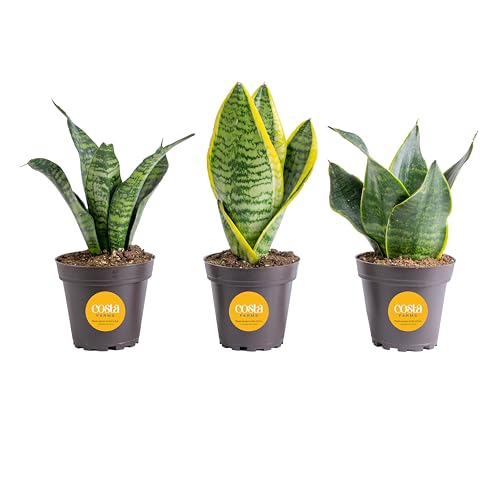
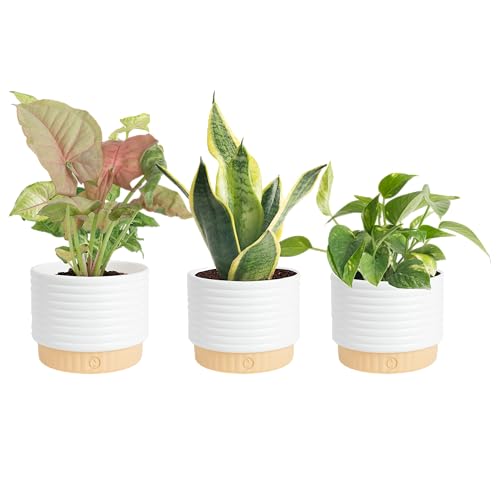
The gold standard for low light. Snake plants tolerate near-darkness, need watering only every 2–3 weeks, and are among the most studied air purifiers. Their upright blades work in narrow corners and they're famously hard to kill.
ZZ Plant (Zamioculcas zamiifolia)
Glossy, architectural foliage that thrives in shade and survives drought. The ZZ plant stores water in its rhizomes, so overwatering is the only real risk. An excellent starter choice for windowless offices.
Peace Lily (Spathiphyllum)
One of the few low-light plants that also blooms indoors. Peace lilies are top-rated for filtering VOCs and will visibly droop when thirsty — a helpful watering indicator for beginners. Note: toxic to pets if ingested.
Pothos (Epipremnum aureum)
A trailing vine that thrives in low light and tolerates inconsistent watering. Pothos is a classic air purifier and looks excellent on shelves or in air-purifying plant collections. Easy to propagate, too.
Philodendron (Heartleaf)
Similar care profile to pothos with larger, heart-shaped leaves. Prefers indirect light but adapts to low light well. A reliable mid-tier choice for hanging baskets or climbing a small trellis.
Spider Plant (Chlorophytum comosum)
Fast-growing and forgiving, spider plants produce "pups" you can repot for free. They're excellent air purifiers and work well in hanging planters near north-facing windows.
Chinese Evergreen (Aglaonema)
Prized for patterned, colorful foliage that brightens dark rooms. Slightly less forgiving than entry-level picks — avoid cold drafts and let soil dry between waterings. A high-end statement plant for shaded living spaces.
Cast Iron Plant (Aspidistra elatior)
True to its name, this plant tolerates deep shade, neglect, and temperature swings. Slow-growing and architectural, it's a top-tier choice for the darkest corners of a home where nothing else survives.
Quick Comparison: Light, Water & Care Level
| Plant | Light Needs | Watering | Care Level | Air Purifying |
|---|---|---|---|---|
| Snake Plant | Low to bright indirect | Every 2–3 weeks | Very easy | Yes |
| ZZ Plant | Low to medium | Every 2–3 weeks | Very easy | Yes |
| Peace Lily | Low to medium | Weekly | Easy | Yes |
| Pothos | Low to bright indirect | Every 1–2 weeks | Easy | Yes |
| Philodendron | Low to medium | Every 1–2 weeks | Easy | Yes |
| Spider Plant | Medium indirect | Weekly | Easy | Yes |
| Chinese Evergreen | Low to medium | Every 1–2 weeks | Moderate | Yes |
| Cast Iron Plant | Low to deep shade | Every 2–3 weeks | Moderate | Moderate |
How to Choose the Right Plant for Your Space
Before buying, assess your room honestly. Measure how many hours of indirect light the spot receives and note any heating vents or drafty windows nearby. A plant labeled "low light" still needs some ambient light — a completely windowless closet will struggle even with the toughest species.
- For a dark bedroom or hallway: Choose Snake Plant, ZZ Plant, or Cast Iron Plant — the most shade-tolerant options.
- For a north-facing living room: Peace Lily, Pothos, or Philodendron will thrive and add greenery without demanding sun.
- For a home office with fluorescent lighting: Spider Plant and Chinese Evergreen adapt well to artificial light.
- If you have pets: Avoid Peace Lily and Philodendron if your cat or dog chews plants; Snake Plant and Spider Plant are safer alternatives.
Getting the soil right matters as much as the plant itself. Indoor plants in low light use water slowly, so a well-draining mix prevents root rot. If you're unsure what to use, our guide to the best potting soil for indoor plants without gnats covers mixes that stay airy and pest-free.
Care Basics for Low-Light Indoor Plants
Low-light plants grow slowly, which means they need less water and less fertilizer than sun-loving species. The most common mistake is overwatering — always check that the top inch of soil is dry before watering again. Use pots with drainage holes and empty the saucer after watering to avoid soggy roots.
Dust is another quiet problem. Leaves coated in dust can't photosynthesize or filter air efficiently, so wipe foliage with a damp cloth every few weeks. Rotate pots a quarter turn monthly so growth stays even, and keep plants away from cold drafts in winter.
If you want to expand beyond this list, explore more shade-friendly options in our guide to indoor plants for low light and high humidity — ideal for bathrooms and kitchens.
Common Mistakes to Avoid
- Assuming "low light" means no light: Even shade-tolerant plants need ambient daylight. Rotate them toward the nearest window if growth stalls.
- Overwatering: Slow-growing plants in dim rooms drink very little. When in doubt, wait another week.
- Using heavy, water-retentive soil: Choose a mix with perlite or pumice so roots can breathe.
- Ignoring leaf yellowing: Yellow leaves usually signal too much water, not too little. Adjust before adding more.
- Placing plants near heat sources: Radiators and heat vents dry out leaves and stress low-light species.
Frequently Asked Questions
Can indoor plants really clean the air in a room?
Yes, but with realistic expectations. Studies show many houseplants filter VOCs, though the effect in a large room is modest compared to ventilation. Plants contribute meaningfully to air quality as part of a broader approach — they're a complement, not a replacement, for good airflow.
Which plant is best for a completely windowless room?
The Cast Iron Plant and Snake Plant are the most tolerant of very low light. However, even these need some ambient light or a grow light to thrive long-term. Rotate plants into brighter rooms periodically if possible.
How often should I water low-light indoor plants?
Less often than you'd think. Most low-light species need watering every 1–3 weeks, depending on pot size and room temperature. Always test the soil first — dry top inch means it's time.
Are these plants safe for pets?
Some are not. Peace Lily, Philodendron, and Pothos are toxic to cats and dogs if chewed. Snake Plant and Spider Plant are generally considered safer. Always verify pet safety for your specific species before bringing it home.
Do I need to fertilize low-light plants?
Only lightly. Feed with a diluted balanced fertilizer once in spring and once in summer. In winter, when growth slows, skip feeding entirely to avoid salt buildup in the soil.
Final Thoughts
The best indoor plant for low light and clean air is the one that matches your room's conditions and your care routine. Start with an entry-level species like Snake Plant or ZZ Plant to build confidence, then add mid-range and premium plants as you learn your space. With the right choices, even the darkest corner of your home can become a living, breathing air filter.